
Listen to this Post
A Rare and Highly Sensitive Visit
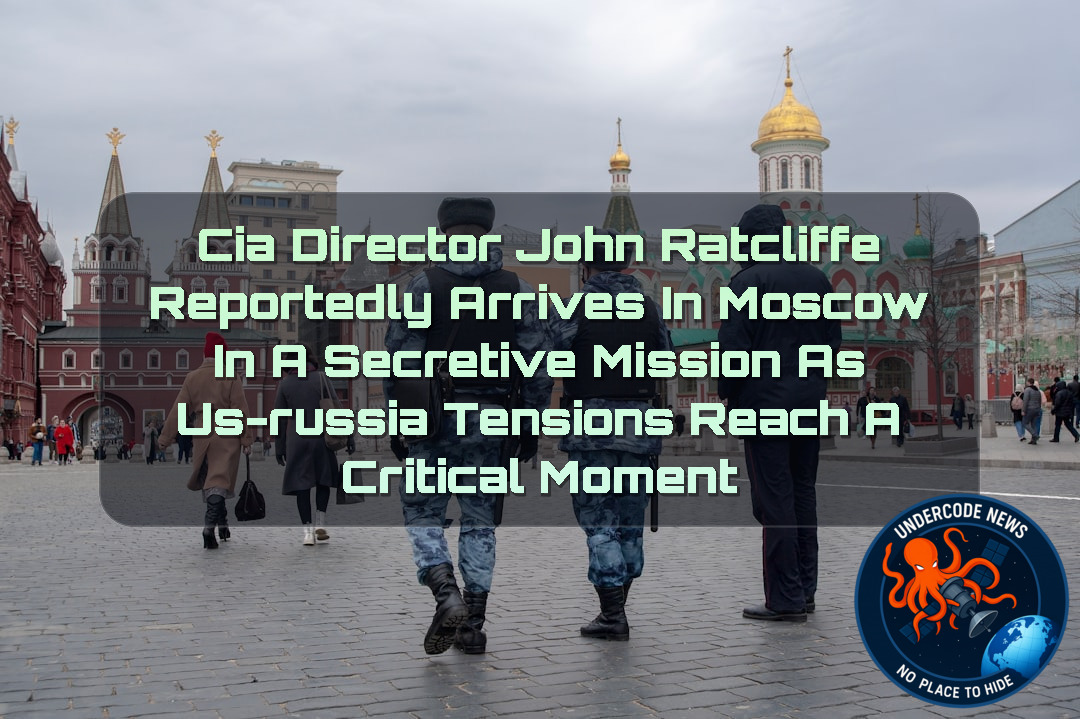
CIA Director John Ratcliffe has reportedly arrived in Moscow for undisclosed meetings with Russian officials, marking what appears to be his first known trip to Russia since becoming head of the Central Intelligence Agency. The extraordinary visit comes at a moment when U.S.-Russia relations remain deeply strained, negotiations over the war in Ukraine have struggled to produce a breakthrough, and Washington and Moscow continue to maintain unusually sensitive intelligence contacts behind the scenes.
The reported journey immediately attracted attention because neither the CIA nor the Kremlin initially confirmed Ratcliffe’s presence or explained the purpose of his trip. CBS News, Axios, ABC News and other outlets reported that Ratcliffe was in Moscow based on officials and sources familiar with the situation. The secrecy surrounding the mission has left the most important questions unanswered: who Ratcliffe is meeting, what he is negotiating, and whether his discussions are directly connected to Ukraine, detainee exchanges, intelligence matters, or a broader attempt to reopen channels between Washington and Moscow.
The Mysterious C-17 Flight
The first major clue came from an unusual U.S. military flight. A Boeing C-17A Globemaster III was tracked flying from Riga, Latvia, to Moscow’s Vnukovo International Airport on Tuesday. Flight-tracking information indicated that the aircraft had originated from the United States, departing from the Joint Base Andrews area near Washington before traveling to Latvia and then continuing toward Russia.
The appearance of a U.S. military transport aircraft at a Moscow airport was significant on its own. C-17 aircraft are designed for strategic and tactical airlift missions, including transporting personnel, equipment and sensitive government material. The unusual route immediately triggered speculation that a senior American official could be aboard. Later reports identifying Ratcliffe as the visitor transformed what initially looked like an unexplained military flight into a potentially important diplomatic and intelligence development.
A Diplomatic Motorcade Adds to the Mystery
The aircraft was not the only unusual sign. A U.S. diplomatic motorcade was also reportedly seen moving through Moscow after the aircraft arrived, further strengthening speculation that the flight involved a senior American official rather than a routine logistical mission.
Still, the lack of official confirmation remains important. The CIA, Department of Defense and U.S. Air Force declined to comment to ABC News, while the Kremlin also had not publicly acknowledged Ratcliffe’s presence. That silence is consistent with the sensitivity of intelligence-level contacts, where governments frequently avoid confirming meetings until the participants have departed or an agreement has been reached.
Moscow Says It Had No Scheduled Kremlin Meeting
Kremlin spokesman Dmitry Peskov reportedly said earlier Tuesday that he had no information about the U.S. military aircraft and that no meetings with representatives of the Trump administration were scheduled at the Kremlin during the week.
That statement does not necessarily contradict the reports about Ratcliffe. Intelligence chiefs can conduct meetings outside the Kremlin, including with Russian intelligence or security officials, without any public presidential-level appointment appearing on the Kremlin’s schedule.
The distinction is important because the CIA traditionally maintains communication channels with foreign intelligence services that operate separately from conventional diplomatic negotiations.
Ratcliffe Has Already Worked Directly With Russian Intelligence
Ratcliffe’s reported journey is not completely disconnected from previous U.S.-Russian intelligence contacts. In April 2025, he played a direct role in negotiations that helped secure the release of Ksenia Karelina, a Russian-American dual national who had been imprisoned in Russia.
According to reporting at the time, Ratcliffe engaged directly with his Russian intelligence counterpart during negotiations surrounding the exchange. Karelina was ultimately released in a prisoner swap in Abu Dhabi, where Ratcliffe was present to welcome her. The CIA described the exchange as evidence of the importance of maintaining communication channels with Russia despite the broader deterioration in bilateral relations.
That history makes
A Rare Return to Moscow for a CIA Director
If confirmed as reported,
Burns’ visit came only months before Russia launched its full-scale invasion of Ukraine. At the time, Burns met senior Russian officials and delivered a warning concerning Moscow’s intentions toward Ukraine. Burns later recalled that he left Moscow deeply concerned about what Russia was preparing to do.
The comparison is striking. In 2021, the CIA director’s presence in Moscow was linked to an escalating security crisis. In 2026, Ratcliffe’s reported visit is occurring against the backdrop of another major geopolitical confrontation, although the exact purpose of his mission remains unknown.
The Timing Could Be More Important Than the Flight
Ratcliffe’s reported arrival comes immediately after Ukraine marked its 35th Independence Day on August 24. European leaders traveled to Kyiv to demonstrate support for Ukraine, while no serving Trump administration representative attended the anniversary events.
At the same time, U.S.-led diplomatic efforts involving Russia and Ukraine have faced significant obstacles. The Trump administration has relied heavily on envoys including Steve Witkoff and Jared Kushner to maintain contacts with Moscow, while neither has made a comparable recent visit to Kyiv.
Against that background, the sudden appearance of the CIA director in Moscow carries a different weight. This is not merely another diplomatic delegation. The head of America’s principal foreign intelligence agency is reportedly entering Russia at a moment when conventional negotiations have struggled to deliver progress.
Why an Intelligence Channel Could Matter
Traditional diplomacy is not always the most effective channel when governments distrust one another. Intelligence services have historically maintained communication lines even during periods when formal diplomatic relationships are severely damaged.
Such channels can be used for prisoner exchanges, warnings, deconfliction, intelligence sharing, crisis management and highly confidential negotiations. They can also provide governments with a way to communicate positions without immediately turning every conversation into a public political event.
Ratcliffe’s previous involvement in the Karelina exchange demonstrates exactly how valuable those channels can become. The reported Moscow trip may therefore represent a continuation of an existing intelligence relationship rather than a completely new diplomatic initiative.
The Ukraine Question Hangs Over the Mission
The biggest unanswered question is whether Ukraine is at the center of Ratcliffe’s discussions.
U.S.-mediated efforts to end the war have repeatedly encountered obstacles, with Washington attempting to maintain dialogue with Moscow while Kyiv and European governments continue to press for security guarantees and continued support.
A CIA director would not normally be the primary public negotiator for a peace agreement. However, intelligence officials can discuss issues that are difficult to handle through ordinary diplomatic channels, particularly when the discussions involve military intentions, escalation risks, prisoners, intelligence operations or sensitive security guarantees.
Therefore, even if Ratcliffe is not negotiating a formal peace agreement, his conversations could still influence the environment in which diplomatic negotiations take place.
The Iran Factor Adds Another Layer
The timing is complicated further by the Trump administration’s broader confrontation with Iran and Russia’s relationship with Tehran.
Recent U.S. policy has increasingly focused on isolating Iran economically and strategically. Russia remains an important partner for Tehran, creating another area in which Washington and Moscow have competing interests.
That means
At this stage, however, there is no reliable public evidence establishing that Iran was part of Ratcliffe’s agenda.
Witkoff and Kushner Remain Important to the Picture
The trip also arrives amid continued attention on Trump’s diplomatic envoys Steve Witkoff and Jared Kushner, who have held repeated discussions with Russian officials.
Witkoff has reportedly traveled to Moscow multiple times during the administration’s diplomatic efforts. Their role has largely centered on political negotiations, whereas Ratcliffe operates in the intelligence sphere.
That distinction could be deliberate. If political channels are struggling, an intelligence channel could provide an alternative route for exploring sensitive proposals without forcing either side to make immediate public commitments.
A Message Could Be More Important Than an Agreement
One of the most interesting possibilities is that Ratcliffe may not be traveling to Moscow to announce a major agreement at all.
High-level intelligence meetings can be designed to deliver warnings, test reactions, communicate red lines or prevent misunderstandings. Sometimes the value of a meeting lies not in what is announced afterward but in what both sides privately understand after the conversation.
This is particularly relevant in a conflict environment where military decisions can rapidly escalate into direct confrontation between major powers.
A confidential conversation between intelligence chiefs can therefore have enormous strategic significance even if the public sees no immediate policy change.
The 2021 Burns Comparison Is Difficult to Ignore
The strongest historical comparison remains William
Burns traveled there because U.S. intelligence had developed serious concerns about Russia’s plans toward Ukraine. CIA records later described the visit as an effort to communicate Washington’s understanding of Moscow’s intentions and warn against the consequences of invasion.
Ratcliffe’s situation is obviously different. The war is already underway, and the geopolitical landscape has changed dramatically since 2021.
Yet the symbolism is powerful: once again, the CIA director is reportedly traveling to Moscow at a moment when the relationship between Washington and Moscow is dominated by war, military risk and uncertainty.
What We Still Do Not Know
The most important facts remain hidden.
It is not publicly known exactly which Russian officials Ratcliffe is meeting, whether Vladimir Putin is involved, whether the meetings concern Ukraine, whether any prisoner negotiations are underway, or whether Ratcliffe is carrying a specific message from President Donald Trump.
There is also no confirmed public indication that the visit will produce a formal agreement.
Until either Washington or Moscow provides more information, the safest conclusion is that Ratcliffe is reportedly in Moscow for sensitive discussions, but the substance of those discussions remains classified or deliberately undisclosed.
Why the Secrecy Matters
The secrecy itself is meaningful.
A normal diplomatic visit usually comes with announcements, schedules, photographs and official statements. An intelligence chief traveling on a military aircraft and appearing in Moscow without a publicly declared agenda represents a very different type of engagement.
That does not automatically mean a dramatic secret deal is being negotiated. It may simply reflect the operational requirements of intelligence diplomacy.
But secrecy also gives both sides political flexibility. If talks fail, neither government has publicly committed itself. If they succeed, the governments can reveal only what they want the public to know.
The Bigger Strategic Picture
The reported Ratcliffe visit should therefore be viewed as part of a much larger pattern rather than as an isolated event.
Washington and Moscow remain adversaries on fundamental issues, particularly Ukraine. Yet both governments have demonstrated that they are willing to maintain selected communication channels when national interests require it.
The Karelina prisoner exchange showed that intelligence-to-intelligence contact can produce concrete results even during severe political tension.
Ratcliffe’s reported Moscow trip could represent another attempt to use that channel for a problem that conventional diplomacy has struggled to solve.
What Undercode Say:
Deep Analysis
Intelligence Diplomacy Is Back in Focus
The most significant aspect of
The C-17 Was a Strategic Signal
The presence of a U.S. Air Force C-17 at Vnukovo transformed an otherwise invisible intelligence mission into a visible geopolitical event. The aircraft created a trail that could be independently observed even while officials remained silent.
Secrecy Protects Both Governments
Keeping the mission officially unconfirmed allows Washington and Moscow to avoid premature political commitments. Neither side has to explain the agenda before knowing whether the discussions will produce results.
Ratcliffe Has Existing Russian Contacts
This is not
Prisoner Issues Could Be Part of the Conversation
The United States still has citizens detained in Russia, making detainee diplomacy an obvious area where intelligence contacts could continue producing results. However, there is currently no public confirmation that new prisoner negotiations are the purpose of this trip.
Ukraine Remains the Central Strategic Question
Even if Ratcliffe is discussing intelligence matters rather than formal peace terms, Ukraine is almost impossible to separate from the broader U.S.-Russia relationship.
The Timing Is Highly Sensitive
Ratcliffe’s reported arrival comes just after Ukraine’s Independence Day and amid stalled negotiations. That timing makes the trip more politically significant than an ordinary intelligence consultation.
Washington May Be Testing Moscow
The meeting could allow American officials to assess whether Russian leaders are prepared to make concessions that cannot yet be discussed publicly through diplomatic channels.
Moscow May Also Have Its Own Objectives
Russian intelligence officials could use the opportunity to communicate concerns, demands or warnings directly to Washington without going through public diplomatic statements.
Intelligence Channels Can Move Faster
Formal diplomacy can become trapped by political messaging. Intelligence channels can sometimes move more quickly because fewer people are involved and conversations can remain confidential.
The Visit Does Not Automatically Mean Peace
It would be a mistake to interpret
A Warning Is Another Possibility
Ratcliffe could be delivering a private warning concerning Russian military activity, escalation or another security issue. Such warnings have historical precedent in CIA-level diplomacy.
The Burns Comparison Is Significant
William
But 2026 Is Not 2021
Unlike Burns, Ratcliffe is operating after years of open warfare. The strategic environment is therefore more complicated, with established military positions, hardened political expectations and a much deeper breakdown in trust.
Russia’s Intelligence Community Matters
If Ratcliffe is meeting Russian intelligence officials rather than political leaders, the discussions could focus on operational matters that do not require direct presidential involvement.
The
Peskov’s reported lack of information about scheduled Kremlin meetings does not rule out intelligence-level discussions elsewhere in Moscow.
Diplomatic Motorcades Add Weight
The reported presence of a U.S. diplomatic motorcade strengthens the argument that the Moscow activity was connected to an official American mission rather than a routine aircraft movement.
The Military Aircraft Is Unusual
A U.S. military transport arriving in Moscow is highly unusual given the current geopolitical environment. ABC News confirmed the aircraft’s movement using flight-tracking information.
The Mission Could Be Narrow
There is also a possibility that the visit concerns one specific intelligence or security issue rather than the entire U.S.-Russia relationship.
Intelligence Cooperation Can Survive Political Hostility
The Karelina exchange is a powerful example. The CIA and Russian intelligence were able to negotiate despite the enormous political dispute between their governments.
That Precedent Should Not Be Ignored
Ratcliffe’s previous direct involvement makes it reasonable to view his current trip through the lens of practical intelligence diplomacy rather than assuming it is purely symbolic.
Iran Could Complicate the Agenda
Russia’s relationship with Iran gives Washington another reason to communicate directly with Moscow, particularly as U.S. pressure on Tehran increases.
But Ukraine Is Still the Most Obvious Context
The war in Ukraine remains the defining issue in U.S.-Russian relations, and the timing of Ratcliffe’s trip makes it impossible to dismiss that connection.
A Secret Meeting Can Be Politically Useful
Both governments can explore ideas privately without immediately facing domestic pressure over concessions.
The First Public Signal May Come Later
If something meaningful emerges from the meetings, it may appear first through an indirect policy change, prisoner exchange, military deconfliction measure or diplomatic announcement rather than through a detailed explanation of Ratcliffe’s trip.
The Absence of an Announcement Is Itself Informative
The refusal of the CIA and other U.S. agencies to comment emphasizes how sensitive the mission is.
Moscow May Prefer Ambiguity
Russia can benefit from allowing speculation to circulate while avoiding confirmation of precisely which officials are involved.
Washington Has Similar Incentives
The Trump administration can maintain flexibility by declining to publicly describe Ratcliffe’s conversations.
The Mission Could Test a Larger Diplomatic Track
If Ratcliffe receives useful signals from Russian intelligence officials, those signals could eventually feed into the administration’s broader political negotiations.
Intelligence Chiefs Can Discuss What Diplomats Cannot
Operational security, intelligence cooperation, military intentions and sensitive detainee cases are areas where intelligence officials can communicate more effectively than traditional diplomats.
The Historical Pattern Suggests Caution
Past CIA director visits to Moscow have occurred during periods of extraordinary tension. Burns’ 2021 mission was followed by Russia’s full-scale invasion months later, demonstrating that a high-level intelligence visit does not necessarily mean tensions are declining.
The Current Situation Could Still Be Different
Unlike 2021, the United States and Russia are now operating within a much longer-running conflict environment, meaning even small communication channels could carry significant value.
The Biggest Clue Will Be What Happens Next
The most useful information may come after Ratcliffe leaves Moscow. A prisoner exchange, diplomatic announcement, military deconfliction measure or renewed negotiation could reveal more about the purpose of the mission.
A Quiet Result Could Still Be a Major Result
If the meeting prevents an escalation or establishes a confidential communication mechanism, the public may never see the full impact.
The Risk of Overinterpretation Is High
Because the trip is secretive, speculation will inevitably fill the information gap. Claims about specific agreements or secret demands should be treated cautiously until supported by credible evidence.
The Mission Is Strategically Important Regardless
Even without knowing the agenda, the decision to send the CIA director to Moscow demonstrates that Washington considers direct communication with Russian intelligence valuable enough to justify an unusually sensitive trip.
Undercode’s Bottom Line
The strongest interpretation is not that a historic peace deal has already been reached, but that Washington is reopening or intensifying a high-level intelligence channel with Moscow. Ratcliffe’s previous involvement in prisoner diplomacy makes him particularly suited to that role.
The Next 72 Hours Matter
The real significance of the trip will become clearer through what follows: official statements, diplomatic movements, prisoner negotiations, changes in Ukraine-related talks, or additional visits by senior U.S. and Russian officials.
The Quietest Meetings Can Have the Loudest Consequences
For now,
✅ Confirmed by multiple major media reports: CIA Director John Ratcliffe was reported to be in Moscow on August 25, 2026, for meetings with Russian officials, based on unnamed sources familiar with the situation. CBS News and Axios independently reported the visit, while ABC News also reported that multiple officials confirmed Ratcliffe was in Moscow.
✅ Confirmed: A U.S. Air Force Boeing C-17A Globemaster III flew from Riga to Moscow’s Vnukovo Airport, with flight-tracking data connecting the aircraft’s earlier journey to the Joint Base Andrews area in Maryland.
⚠️ Not publicly confirmed: The precise purpose of Ratcliffe’s Moscow meetings, the identity of every Russian official involved, and whether the discussions concern Ukraine, Iran, detainees or another intelligence matter remain undisclosed. The CIA and other U.S. agencies declined to comment, and the Kremlin had not publicly confirmed the visit.
Prediction
(+1) A New Intelligence Channel Could Strengthen U.S.-Russia Communication
The most likely near-term outcome is continued private communication between Washington and Moscow rather than an immediate public breakthrough. Ratcliffe’s previous involvement in the Karelina prisoner exchange suggests that intelligence channels may continue to produce practical results even when political negotiations remain difficult.
(+1) Prisoner Diplomacy Could See Another Breakthrough
If Ratcliffe’s Moscow discussions include detainee issues, another prisoner exchange could become one of the most tangible outcomes. The Karelina case demonstrated that direct intelligence negotiations can succeed even when broader U.S.-Russia relations remain deeply hostile.
(+1) Ukraine Negotiations Could Receive a Private Push
Ratcliffe may communicate U.S. concerns or explore Russian positions before those issues are passed into the formal diplomatic process. Any progress would probably emerge gradually rather than through an immediate peace announcement.
(-1) The Visit Could End Without a Major Agreement
The biggest risk is that the meeting produces no meaningful breakthrough. High-level intelligence contacts can be useful simply for exchanging warnings and maintaining communication, even when neither side is prepared to compromise.
(-1) Public Expectations Could Outrun Reality
Because the trip is unusually secretive, speculation may become much larger than the facts. Unless Washington or Moscow eventually discloses the agenda, claims about secret peace deals or major concessions should remain unverified.
(+1) The Most Important Result May Remain Hidden
Even if no public agreement emerges, the meeting could establish communication that helps prevent escalation, facilitate future negotiations or prepare the ground for a later diplomatic breakthrough. In intelligence diplomacy, the absence of a public announcement does not necessarily mean the mission failed.
▶️ Related Video (70% Match):
🕵️📝Let’s dive deep and fact‑check.
🎓 Live Courses & Certifications:
Join Undercode Academy for Verified Certifications
🚀 Request a Custom Project:
Secure, high-velocity infrastructure and disruptive technological engineering. Contact our engineering team for high-tier development and proprietary systems:
[email protected]
💎 Smart Architecture | 🛡️ Secure by Design | ⭐ Trusted by Thousands
References:
Reported By: www.euronews.com
Extra Source Hub (Possible Sources for article):
https://www.github.com
Wikipedia
OpenAi & Undercode AI
Image Source:
Unsplash
Undercode AI DI v2
🔐JOIN OUR CYBER WORLD [ CVE News • HackMonitor • UndercodeNews ]
📢 Follow UndercodeNews & Stay Tuned:
𝕏 formerly Twitter 🐦 | @ Threads | 🔗 Linkedin | 🦋BlueSky | 🐘Mastodon | 📺Youtube


