
Listen to this Post
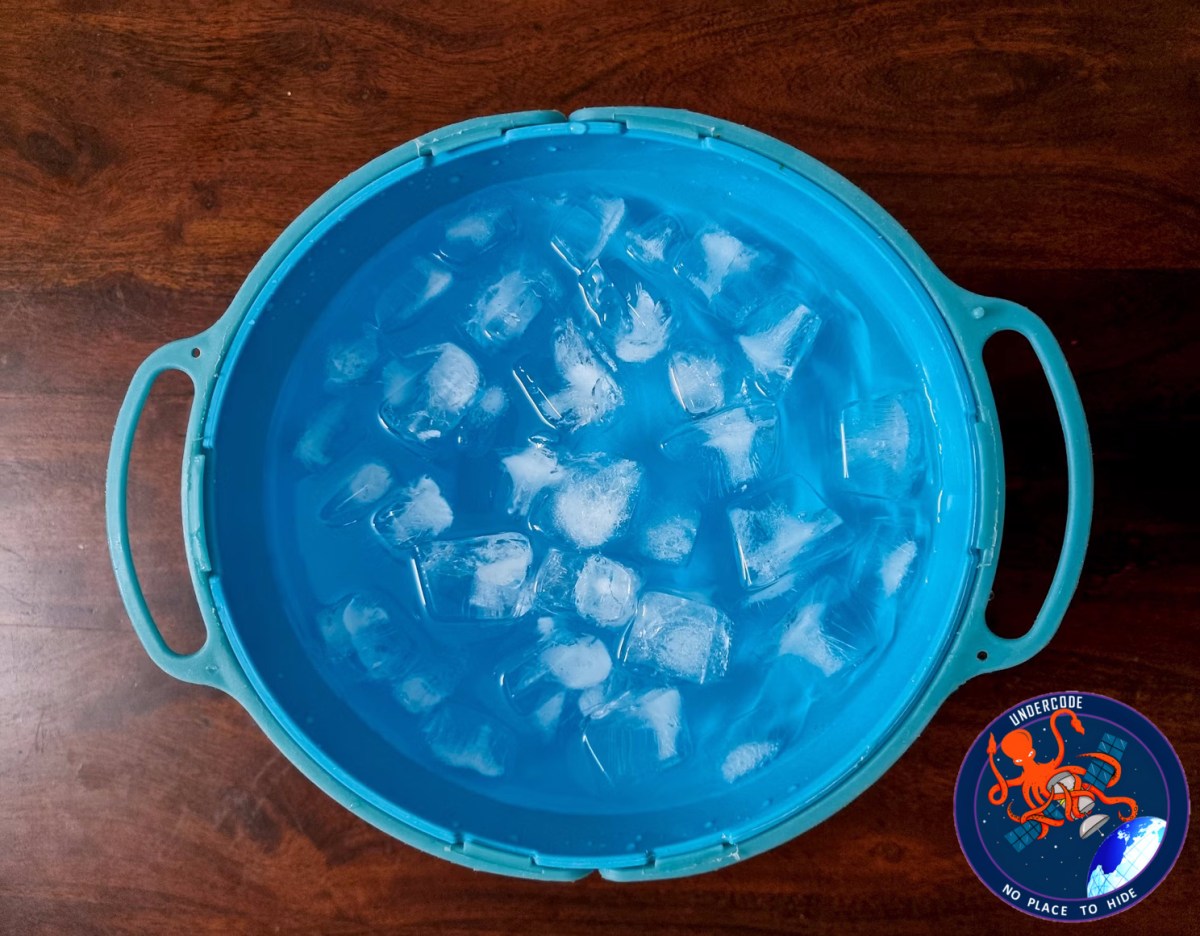
In a powerful blend of nostalgia and advocacy, the Ice Bucket Challenge is making a comeback—this time with a focus on mental health. Originally launched over a decade ago to raise awareness for ALS (amyotrophic lateral sclerosis), the viral campaign has been revived by students from the University of South Carolina, who are now using it to shed light on an increasingly critical issue: youth mental health. As the challenge gains momentum in 2025, it has already raised over $322,000 for Active Minds, a nonprofit organization dedicated to youth mental health advocacy. In this new chapter, the Ice Bucket Challenge is proving that virality can drive awareness, even when it’s focused on a different, but equally urgent, cause.
Ice Bucket Challenge Revival: The Surge in Mental Health Support
The Ice Bucket Challenge first captivated the world in 2014, becoming a symbol of awareness for ALS. Celebrities, influencers, and everyday people alike took to social media, dousing themselves in ice water to raise both funds and awareness. Fast forward to 2025, and the challenge is being reignited by the students at the University of South Carolina, this time to promote mental health awareness, an issue that has grown in urgency and visibility in recent years.
As of now, the revived 2025 Ice Bucket Challenge has raised more than $322,000 for Active Minds. The nonprofit organization, which aims to raise awareness about mental health among young people, reports a staggering 922% increase in website traffic since the campaign’s launch. This surge is indicative not only of the widespread support for mental health but also of the power of nostalgic marketing, which taps into past viral moments to spark renewed interest in pressing issues.
The growing mental health crisis in America, particularly among young people, has gained increasing attention. Former U.S. Surgeon General Vivek Murthy recently declared it a top public health concern. In response, there has been a noticeable shift in how employers and organizations approach mental well-being, particularly in the aftermath of the COVID-19 pandemic, which exacerbated mental health challenges for many.
The Ice Bucket Challenge revival serves as a reminder that awareness campaigns can evolve over time while still remaining effective. While brands like McDonald’s, KFC, and Pillsbury were part of the 2014 Ice Bucket Challenge, this year’s iteration has seen fewer major corporate players jump on board. Yet, its revival has been mostly driven by grassroots efforts, with individuals and organizations coming together to participate in an awareness campaign that is both meaningful and engaging.
What Undercode Says:
The resurgence of the Ice Bucket Challenge as a tool for promoting mental health awareness provides a fascinating insight into how nostalgia-driven campaigns can reignite social causes. While the original challenge was tied to ALS, a life-threatening disease, this new version channels attention toward the mental health crisis, particularly among young people, who are at an increased risk of mental health struggles. This shift highlights how viral trends can be adapted to address changing societal needs and how communities can be mobilized around causes that directly affect them.
The evolution of the Ice Bucket Challenge is also an excellent case study in how viral marketing works. Nostalgia marketing often plays on our memories of past viral moments, encouraging individuals to re-engage with the content. This strategy is particularly effective in a digital age, where social media serves as both a platform for awareness and a catalyst for virality. The 2025 campaign capitalizes on this, drawing on the established success of the original Ice Bucket Challenge while addressing a contemporary issue that resonates deeply with today’s generation.
From a public health perspective, the focus on mental health in the workplace and among young people is increasingly crucial. Employers and organizations must recognize that the mental health of their employees—especially in high-stress sectors like public relations—is a priority. The statistics shared by Muck Rack about burnout in PR agencies are a stark reminder that stress is a pervasive issue in the modern workforce. Whether it’s the emotional toll of the COVID-19 pandemic or the growing pressure to perform in a hyper-competitive job market, mental health awareness is essential in fostering a more resilient workforce.
While the campaign has raised considerable funds for Active Minds, the real success lies in the conversations it sparks about mental health. From college students organizing challenges to employees discussing mental health at work, the Ice Bucket Challenge revival serves as an important catalyst for normalizing these critical conversations. In an age where mental health struggles are more visible than ever, social media movements like this can help reduce stigma and encourage individuals to seek support.
It’s important to note that while the revival of the Ice Bucket Challenge has primarily been driven by younger people, there is still room for major brands to get involved. In 2014, several large corporations took part in the ALS challenge, using their influence to raise awareness on a global scale. In 2025, however, the trend has remained largely organic, with individuals and nonprofits leading the charge. Whether this represents a missed opportunity for brands to engage in meaningful social issues, or a deliberate shift towards more grassroots, authentic activism, remains to be seen.
Fact Checker Results:
- The revived Ice Bucket Challenge has raised $322,000 for Active Minds, with a reported 922% increase in website traffic.
- Mental health continues to be a top concern, especially among young adults and in the workplace, following the COVID-19 pandemic.
- While viral challenges like the Ice Bucket Challenge have seen significant participation in the past, this year’s version has largely been driven by grassroots efforts, with fewer major corporate sponsorships than the original ALS campaign.
References:
Reported By: axioscom_1745511424
Extra Source Hub:
https://www.reddit.com
Wikipedia
Undercode AI
Image Source:
Unsplash
Undercode AI DI v2


