
Listen to this Post
A New Era for
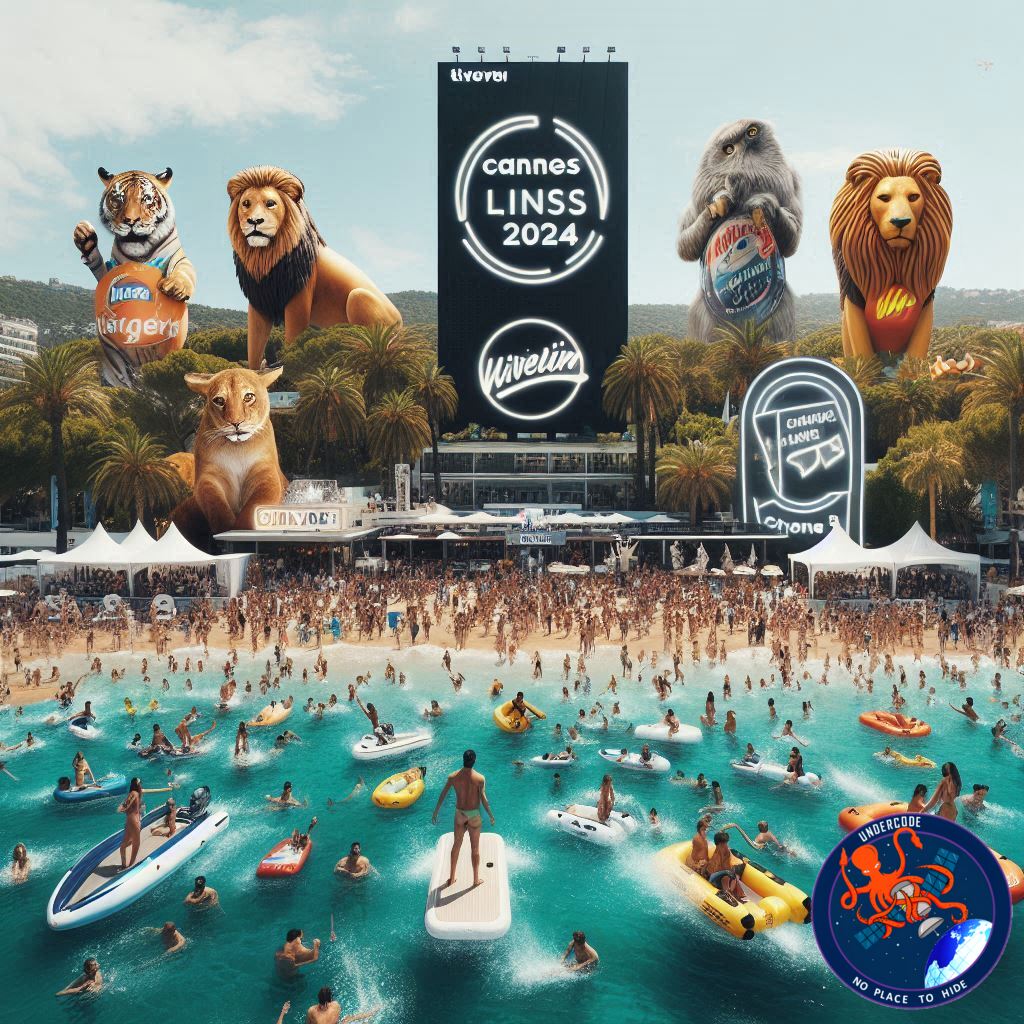
The Cannes Lions International Festival of Creativity has evolved from a traditional gathering of advertisers into a sprawling spectacle that mirrors the very transformation of the ad industry itself. Held each June on the sun-kissed shores of the French Riviera, Cannes Lions 2024 showcased not just marketing innovation but a fundamental shift in who holds power in the global attention economy. With the advertising industry now generating over \$1 trillion annually — a figure that has doubled in just a decade — Cannes has become a magnet for celebrities, athletes, influencers, Big Tech, and even retailers turned ad platforms. In an age where attention is currency, everyone wants a piece.
Inside the Festival’s Explosive Growth and Changing Power Structures
Cannes Lions 2024 was a clear reflection of how global advertising has been reshaped by technology, mobile platforms, and the rise of brand-owned media networks. Once dominated by traditional publishers and creative agencies, the event has transformed into a battleground where Big Tech and retail giants compete for influence, visibility, and advertising dollars. The presence of celebrities like Ryan Reynolds, Serena Williams, Reese Witherspoon, and Travis Kelce helped blur the lines between entertainment and commerce, while social media influencers like Alex Cooper and Alix Earle cemented the festival’s Gen Z appeal.
Tech giants such as Google, Meta, Spotify, and Pinterest hosted extravagant events along the beach, while traditional publishers like Warner Bros. Discovery and the New York Times were relegated to more modest venues like docked boats and inland hotel suites. That stark contrast in visibility reflects a larger industry trend: tech companies are now the dominant players in advertising. In 2011, the top five advertisers were mostly American media companies. Today, all five are tech giants, with two — ByteDance and Alibaba — based in China.
The catalyst for this power shift was the rise of the smartphone, which unlocked massive new ad inventory via mobile apps. Social media and search firms took the lead, but more recently, companies with large consumer bases — from grocers to airlines — have entered the advertising fray. United Airlines, for example, used the festival to celebrate its first year of Kinective Media, its own ad platform. The company touted its ability to reach 174 million travelers annually across a wide range of digital touchpoints.
The opulence of this year’s event surpassed even the Cannes Film Festival, underscoring the importance of advertising as both a business driver and a cultural force. Yet, a looming concern shadowed the festivities: the rise of AI. Many industry leaders, including Cloudflare CEO Matthew Prince, warned that AI-generated content summaries could cannibalize traffic to original content — a serious threat to traditional publishers already struggling against Big Tech dominance.
What Undercode Say:
The Decentralization of Advertising Power
The Cannes Lions Festival now serves as the perfect metaphor for the ad industry’s decentralization. What was once the playground of Madison Avenue elites and media executives is now a melting pot of creators, athletes, tech moguls, and corporate strategists. As ad revenue hits the \$1 trillion milestone, power has shifted decisively toward platforms that offer both reach and data — namely, Big Tech and increasingly, large consumer brands.
The Star Power Factor
Celebrity endorsements are no longer confined to ad spots. They’re now part of live marketing ecosystems. Travis and Jason Kelce, Serena Williams, and Ryan Reynolds don’t just attract eyeballs — they bring credibility, cultural currency, and massive digital audiences. Their presence at Cannes shows that advertising isn’t just about brands speaking to customers; it’s about cultural moments being orchestrated in real time.
Retailers and Airlines Become Media Companies
United Airlines and others entering the media network space is a game-changer. They’re no longer just channels to place ads; they are the ad networks. This shift flips the model — instead of buying attention, companies are now monetizing their own ecosystems. It also raises critical questions about data privacy, brand safety, and consumer fatigue.
Big Tech’s Unchecked Dominance
The glitzy beachfront setups from Meta, Google, and Spotify stand in stark contrast to the quiet sidelines where legacy publishers now sit. These optics are more than symbolic — they’re a real-time demonstration of market consolidation. Traditional publishers simply can’t compete with the scale, targeting, and AI-powered optimization that tech firms now offer.
The AI Threat to Content
Cloudflare’s warning is valid and timely. As AI begins to summarize content and answer user queries directly, the visibility and monetization potential of original content plummet. Publishers who rely on clicks and ad impressions risk becoming invisible unless they integrate AI themselves or find new models of value creation. This challenge could ignite a second digital advertising revolution.
The Blurring of Advertising and Culture
Cannes Lions 2024 makes it clear: advertising is now indistinguishable from entertainment and culture. The boundary between a celebrity appearance and a product placement, a podcast and a brand campaign, or a music concert and a brand activation is paper-thin. This integrated model makes campaigns more immersive, but also more difficult to regulate and evaluate in terms of impact.
Scale as a Necessity
As Richard Nunn of United Airlines put it, “You’ve got to have scale.” Without a massive audience and a wide range of digital touchpoints, a company simply can’t compete in today’s ecosystem. This favors incumbents and large entities, leaving small brands and independent creators to either specialize or collaborate with larger platforms.
The Future of Cannes
Cannes Lions might soon outshine the Film Festival not just in glamor but in global relevance. While the Film Festival celebrates artistic creation, the Lions Festival is about distribution — who owns the attention and how it’s monetized. In the digital age, that distinction carries profound weight.
🔍 Fact Checker Results:
✅ Ad revenue has indeed doubled to \$1 trillion globally over the past decade
✅ United Airlines launched Kinective Media in 2023 and now markets itself as a media network
✅ Google, Meta, Amazon, ByteDance, and Alibaba are currently the top five global advertisers
📊 Prediction:
🌟 Cannes Lions will continue to grow as the most influential global ad festival, surpassing traditional media events in cultural significance.
📱 AI-driven ad targeting will further marginalize traditional publishers unless they adapt rapidly.
🏢 Expect more non-media corporations — like banks, grocers, and airlines — to launch proprietary ad networks by 2026.
References:
Reported By: axioscom_1750436341
Extra Source Hub:
https://www.quora.com/topic/Technology
Wikipedia
OpenAi & Undercode AI
Image Source:
Unsplash
Undercode AI DI v2


