
Listen to this Post
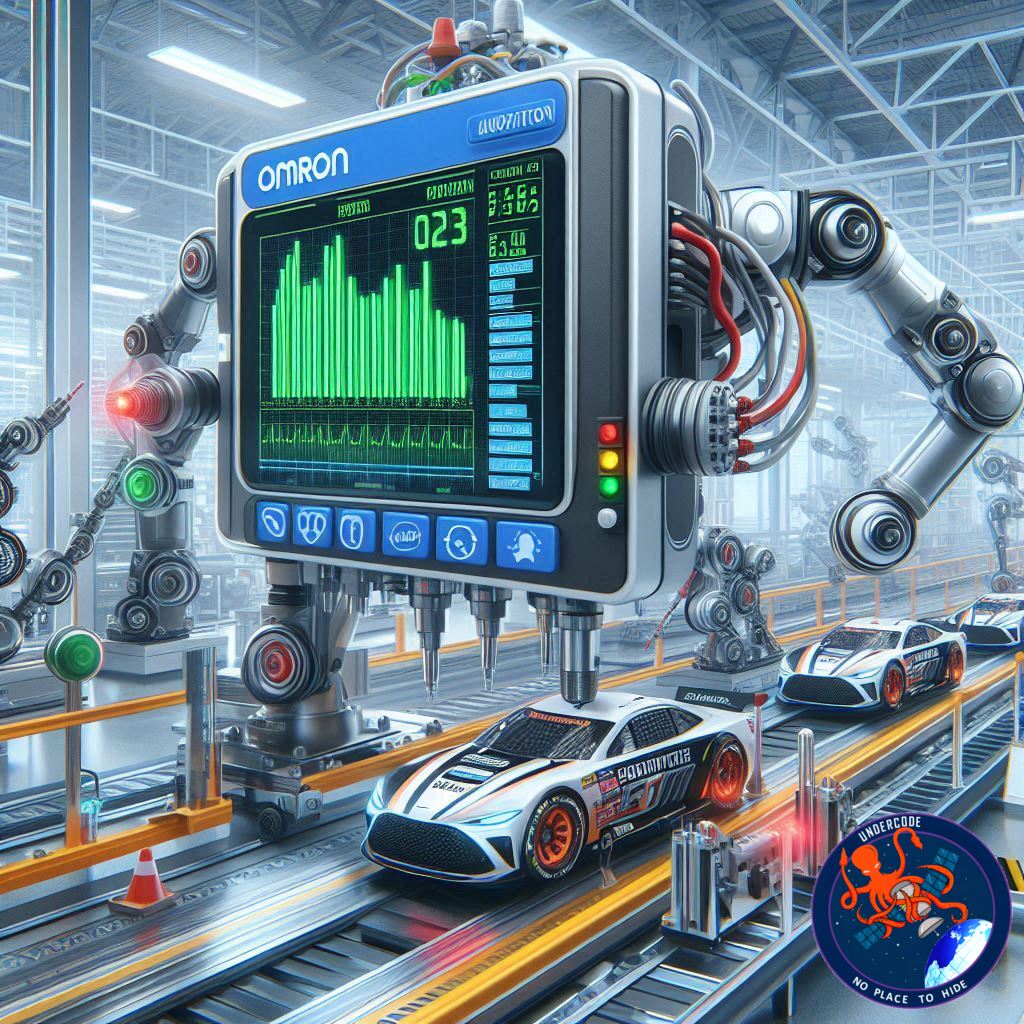
In the face of a chronic labor shortage, the manufacturing industry in Kyoto is turning to the latest and most advanced technologies to tackle its challenges. Automation and labor-saving technologies in production and logistics are not only helping improve internal productivity and efficiency, but they also present significant opportunities for expanding solution-based businesses. Kyoto-based companies, such as Omron, are at the forefront of this transformation, focusing on innovations that promise to reshape the future of manufacturing.
Omron, a global leader in industrial automation, is placing a strong emphasis on leveraging control technologies to advance the Internet of Things (IoT) within manufacturing environments. The company’s president, Junta Tsujinaga, highlighted the importance of these technologies during a recent announcement. With the introduction of sensors and artificial intelligence (AI) in factories, Omron aims to revolutionize the way production lines operate, ensuring that productivity is maximized while addressing the challenges posed by labor shortages. In April, the company unveiled a real-time production monitoring system that integrates AI to improve operational efficiency. This move is expected to bring significant advancements to the factory automation landscape, with other manufacturers likely to follow suit.
What Undercode Says:
The drive toward automation is not just a temporary solution but a long-term strategy to future-proof industries facing labor shortages. Omron’s approach, which incorporates AI and IoT technologies, is paving the way for a new era of smart factories. These factories will be characterized by highly efficient, data-driven processes that reduce the need for human intervention while enhancing overall operational productivity.
One of the key benefits of such automation technologies is the improvement of uptime and operational efficiency. Sensors can provide real-time insights into machinery and production processes, allowing for early detection of potential issues and minimizing downtime. The implementation of AI further strengthens this by analyzing vast amounts of data to predict when maintenance is needed, optimizing workflows, and streamlining production.
However, the real opportunity lies in the fact that these advancements are not confined to just improving existing operations. They also present a new avenue for businesses to develop and offer IoT solutions to other industries. As manufacturers like Omron continue to enhance their technology stack, they create an ecosystem of innovation that extends beyond the factory floor.
In the coming years, we can expect more companies to follow suit, integrating advanced sensors, AI, and IoT into their operations. This trend will likely expand the scope of automation from a purely cost-saving measure to a core business development strategy. Furthermore, the ability to harness real-time data will revolutionize how manufacturers approach everything from supply chain management to customer service.
Fact Checker Results:
- Automation and Labor Shortages: Omron’s investment in automation addresses chronic labor shortages by improving efficiency and reducing dependency on human workers.
- AI and IoT Integration: The integration of AI and IoT into factory operations is becoming more common and is proven to improve productivity and reduce downtime.
- Market Implications: The advancements in sensor technology and AI are opening up new business opportunities in the automation solutions market.
📊 Prediction:
Looking ahead, the adoption of AI-driven automation systems is expected to grow exponentially. As more manufacturers deploy smart sensors and real-time monitoring technologies, industries will see a shift towards fully autonomous operations. This will not only change the landscape of factory production but could also lead to new types of service-based businesses centered around automation technology.
References:
Reported By: xtechnikkeicom_68697e4979222ca10e577a61
Extra Source Hub:
https://www.quora.com/topic/Technology
Wikipedia
OpenAi & Undercode AI
Image Source:
Unsplash
Undercode AI DI v2


