
Listen to this Post
A New Surge in Coal Use Despite Climate Goals
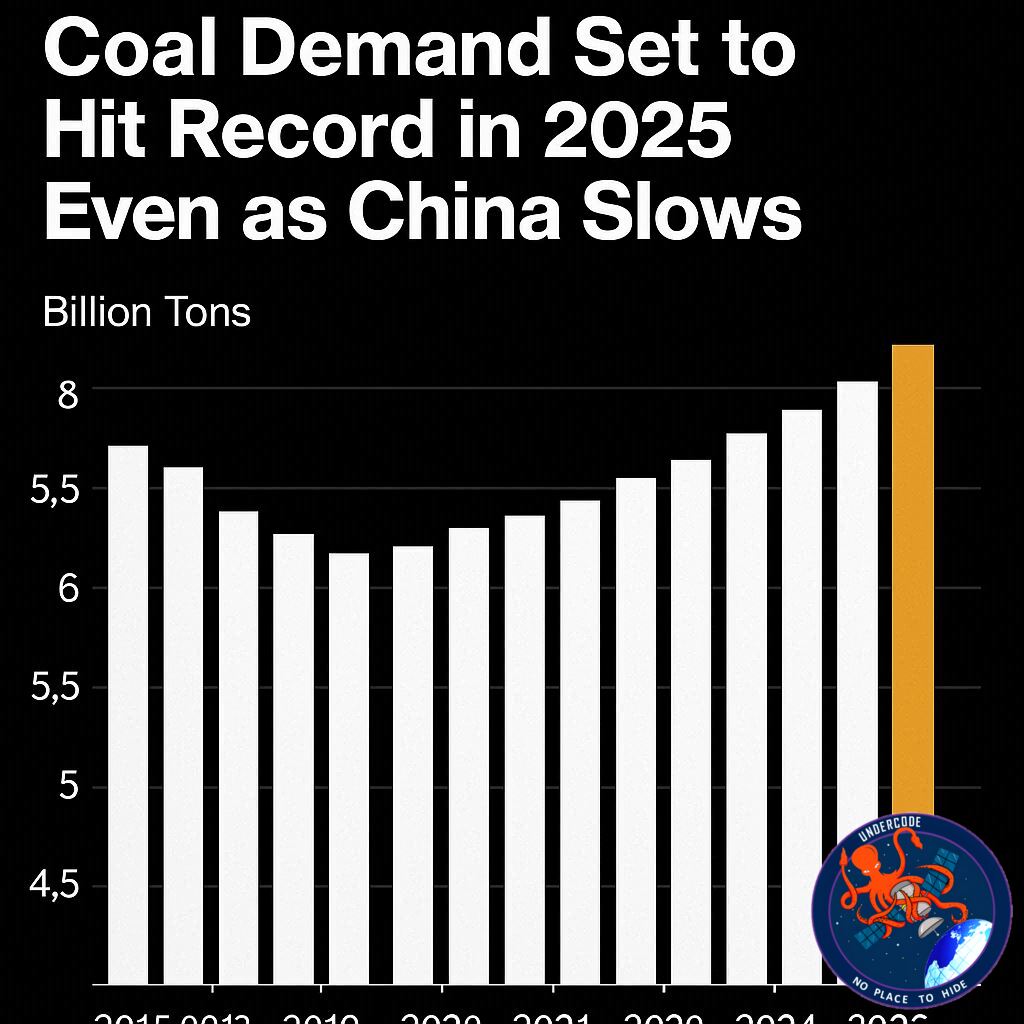
Despite the global push for cleaner energy and reduced carbon emissions, coal—the most carbon-intensive fossil fuel—is making an unexpected comeback. According to the International Energy Agency (IEA), global coal demand is projected to reach an all-time high in 2025, defying expectations that it would decline in the face of climate action. While China, the world’s largest coal consumer, is seeing a slight cooling in demand, this is being offset by rising coal usage in other regions, particularly the United States.
This unexpected surge is being driven by a combination of factors: the energy-hungry growth of AI and data centers, slower-than-expected transitions to renewable power, and political shifts, particularly in U.S. energy policy. With former President Donald Trump and other pro-coal leaders signaling a return to coal-friendly strategies, the shift away from clean energy goals may already be influencing the market trajectory.
🔎 Original
The latest projections from the International Energy Agency (IEA) show that global coal demand will reach record highs in 2025, despite the gradual decline in coal usage within China, traditionally the world’s top consumer. The article reveals that the decrease in Chinese coal demand is being more than offset by increasing consumption in other parts of the world, particularly the United States.
The resurgence of coal is closely tied to the growing electricity demand—notably from industries powered by artificial intelligence and digital infrastructure. Additionally, policy changes in the U.S. are playing a major role. The return of coal-supportive rhetoric, especially from Trump-era policymakers, is shifting the energy narrative back toward fossil fuels, which could reshape not only domestic energy consumption but also global environmental efforts.
Although many countries have pledged to move away from fossil fuels to combat climate change, revised decarbonization strategies—such as softening renewable energy mandates or expanding transitional energy sources like natural gas—are slowing the shift. The IEA’s forecast, released in late July, underscores the tension between climate commitments and short-term energy security goals, especially in the face of rising electricity demands worldwide.
💭 What Undercode Say:
The IEA’s grim forecast is a reality check for the global climate movement. For years, coal was seen as a dying fuel, fading in relevance as solar, wind, and other renewables soared in adoption. However, 2025 may shatter that illusion. The story here isn’t just about coal; it’s about climate ambition colliding with energy demand and political realism.
The most striking part is the role of AI in this surge. With large language models, cloud computing, and data center expansion requiring enormous amounts of power, the strain on grids is becoming unbearable. Instead of ramping up renewables quickly enough, countries are falling back on coal—cheap, available, and dirty. This underscores a crucial flaw in the energy transition: tech innovation is outpacing clean infrastructure.
America’s pivot back to coal under Trump-aligned policy signals how deeply politicized energy has become. As the 2024 elections reignite debates about the future of U.S. energy policy, we may see more countries following suit, softening green commitments for the sake of energy security, jobs, and economic stability. If fossil fuels continue to win political favor, international climate targets—like net-zero by 2050—could become unreachable.
Meanwhile,
For developing countries, this trend complicates climate diplomacy. Why should poorer nations cut emissions when the West is rekindling its love affair with coal? This reopens the “climate justice” debate—how can equitable decarbonization happen when major economies refuse to lead by example?
The IEA’s projection is more than just a data point; it’s a red flag. The energy transition, once seen as inevitable, is now fragile. 2025 could be remembered not as the year the world left coal behind, but the year it came roaring back.
🔍 Fact Checker Results:
✅ IEA Data Verified: The IEA’s July projections confirm record-high coal demand for 2025.
✅ AI Power Usage Trends: Independent reports confirm AI-related energy demand is increasing dramatically.
❌ China’s Full Exit from Coal:
📊 Prediction:
With U.S. elections and AI energy demands on the rise, 2026 could see continued growth in coal reliance, especially if global temperatures trigger energy crises during extreme weather. Unless there’s a drastic acceleration in green tech infrastructure, expect fossil fuels to remain dominant well into the 2030s, despite climate pledges.
🕵️📝✔️Let’s dive deep and fact‑check.
References:
Reported By: xtechnikkeicom_a18af3270b289867716e4c06
Extra Source Hub:
https://www.stackexchange.com
Wikipedia
OpenAi & Undercode AI
Image Source:
Unsplash
Undercode AI DI v2
🔐JOIN OUR CYBER WORLD [ CVE News • HackMonitor • UndercodeNews ]
📢 Follow UndercodeNews & Stay Tuned:
𝕏 formerly Twitter 🐦 | @ Threads | 🔗 Linkedin | 🦋BlueSky | 🐘Mastodon


