
Listen to this Post
Introduction
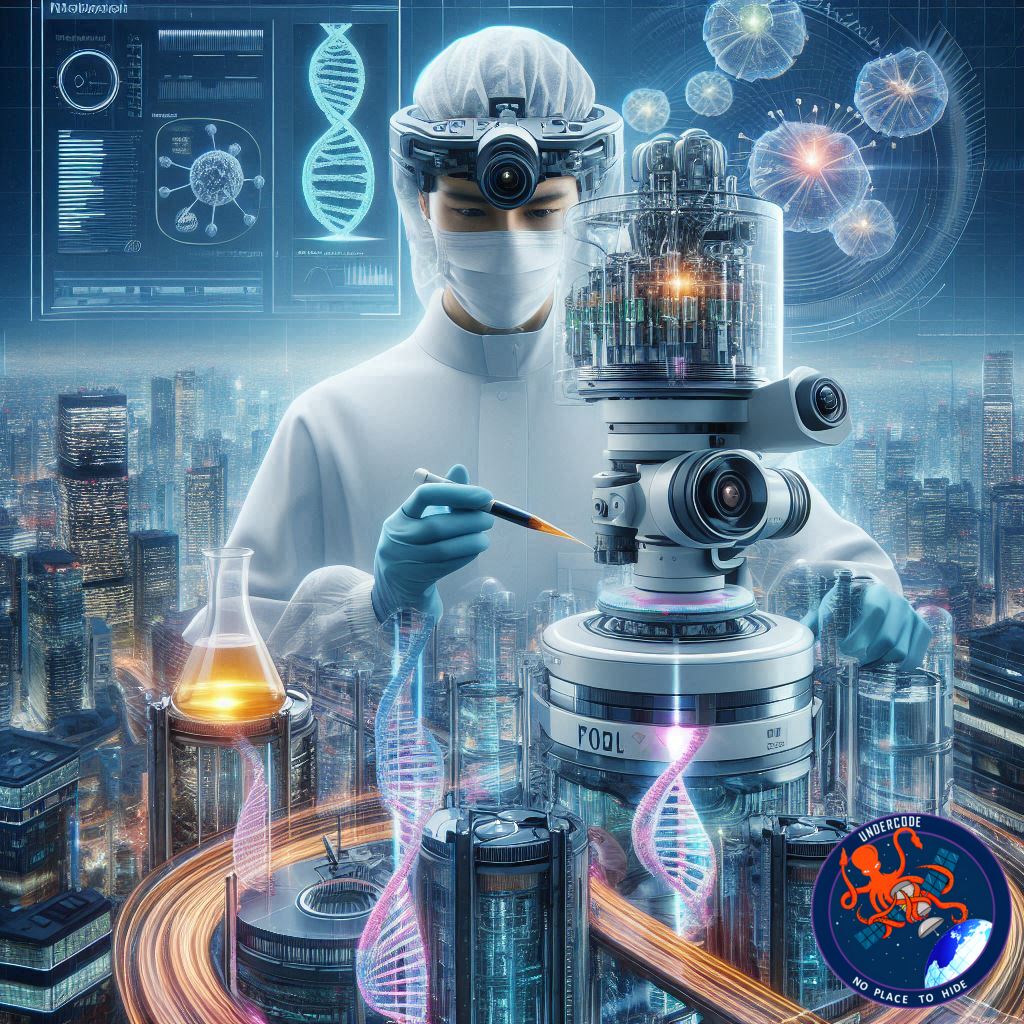
Fujifilm is preparing to revolutionize the biopharmaceutical manufacturing process by introducing artificial intelligence into cell culture production. The company plans to integrate AI-based culture media optimization technology by the 2026 fiscal year, allowing for a significant production boost—nearly 40% more output—using the same facilities. This innovation marks a major shift in the use of AI, moving beyond early-stage drug research into large-scale manufacturing. If successful, it could lower production costs and accelerate the spread of next-generation medicines worldwide.
Original Summary
Fujifilm will apply AI technology to determine the optimal composition of culture media used in biopharmaceutical production. This approach fine-tunes the nutrient blend for cultivated cells that produce active pharmaceutical ingredients, such as therapeutic antibodies. By enhancing the culture environment, Fujifilm expects to achieve nearly 40% higher yields without expanding production infrastructure. The move reflects a broader industry trend where AI is evolving from a research tool into a key element of industrial-scale pharmaceutical manufacturing. Lower costs from such efficiency gains could make advanced medicines more affordable and widely available.
Biopharmaceuticals are complex drugs made using living cells, and their effectiveness depends heavily on precise culture conditions. Traditionally, determining the best media composition required extensive trial-and-error experiments. Fujifilm’s AI system will rapidly analyze massive datasets, learn from past experiments, and identify the most effective media formula much faster than human researchers.
This development could improve the scalability of life-saving drugs, streamline manufacturing processes, and position Fujifilm as a leader in AI-assisted drug production. The initiative also suggests that AI may play a growing role in ensuring consistent quality across global pharmaceutical facilities.
What Undercode Say:
The introduction of AI into the production of biopharmaceuticals is more than just a technical upgrade—it’s a strategic shift that could redefine cost, efficiency, and accessibility in the pharmaceutical industry.
Traditionally, culture media optimization has been one of the most time-consuming and resource-intensive stages of biopharmaceutical production. Scientists would test countless combinations of nutrients, growth factors, and environmental conditions, a process that could take months or even years for each new drug. By leveraging AI, Fujifilm can condense this into a fraction of the time while also achieving higher precision.
A nearly 40% increase in yield from the same infrastructure is a remarkable gain in an industry where even a 5–10% improvement is considered a breakthrough. This leap doesn’t just mean higher profits for manufacturers—it could translate to lower prices for patients, faster rollouts of new therapies, and a more resilient supply chain in times of high demand, such as during pandemics.
The fact that Fujifilm plans to implement this by the 2026 fiscal year shows both the maturity of the technology and the urgency to gain a competitive edge. The company has been diversifying beyond its traditional imaging business for years, and biopharma has become a central pillar of that transformation. By combining its expertise in materials science with cutting-edge AI, Fujifilm is positioning itself at the crossroads of healthcare and technology.
The move also hints at a broader industry trend. Pharmaceutical companies worldwide are racing to integrate AI into both research and manufacturing, not just for efficiency but also for compliance with increasingly strict quality standards. AI’s ability to continuously learn and adapt could also improve product consistency, reducing batch-to-batch variability—a persistent challenge in biologics manufacturing.
However, this transformation won’t be without challenges. AI models are only as good as the data they’re trained on. Ensuring that the AI’s recommendations are safe, effective, and reproducible across different manufacturing sites will require careful validation and regulatory approval. There’s also the question of workforce adaptation—pharmaceutical engineers and lab technicians will need to develop new skills to work alongside AI-driven systems.
Still, the potential upside is huge. If AI can reliably optimize cell culture conditions at scale, it could become a standard across the industry, just as automation and robotics are now essential in other sectors. And given Fujifilm’s track record in industrial innovation, they might be among the first to turn this promise into a profitable and impactful reality.
🔍 Fact Checker Results
✅ Fujifilm is developing AI-based culture media optimization for biopharmaceutical production.
✅ Target implementation is the 2026 fiscal year.
✅ Expected production increase is nearly 40% without expanding facilities.
📊 Prediction
By 2030, AI-assisted culture media optimization could become the industry norm, with most major biopharmaceutical companies integrating similar systems. This shift will likely drive down production costs by at least 20% and shorten drug manufacturing timelines, enabling faster responses to emerging health crises and more affordable access to advanced treatments.
If you want, I can also expand this with more technical insights on how AI models analyze culture media compositions in biopharma manufacturing. That would make it even richer for expert readers.
🕵️📝✔️Let’s dive deep and fact‑check.
References:
Reported By: xtechnikkeicom_98316f9a92b18d789f3a3fbf
Extra Source Hub:
https://www.stackexchange.com
Wikipedia
OpenAi & Undercode AI
Image Source:
Unsplash
Undercode AI DI v2
🔐JOIN OUR CYBER WORLD [ CVE News • HackMonitor • UndercodeNews ]
📢 Follow UndercodeNews & Stay Tuned:
𝕏 formerly Twitter 🐦 | @ Threads | 🔗 Linkedin | 🦋BlueSky | 🐘Mastodon


