
Listen to this Post
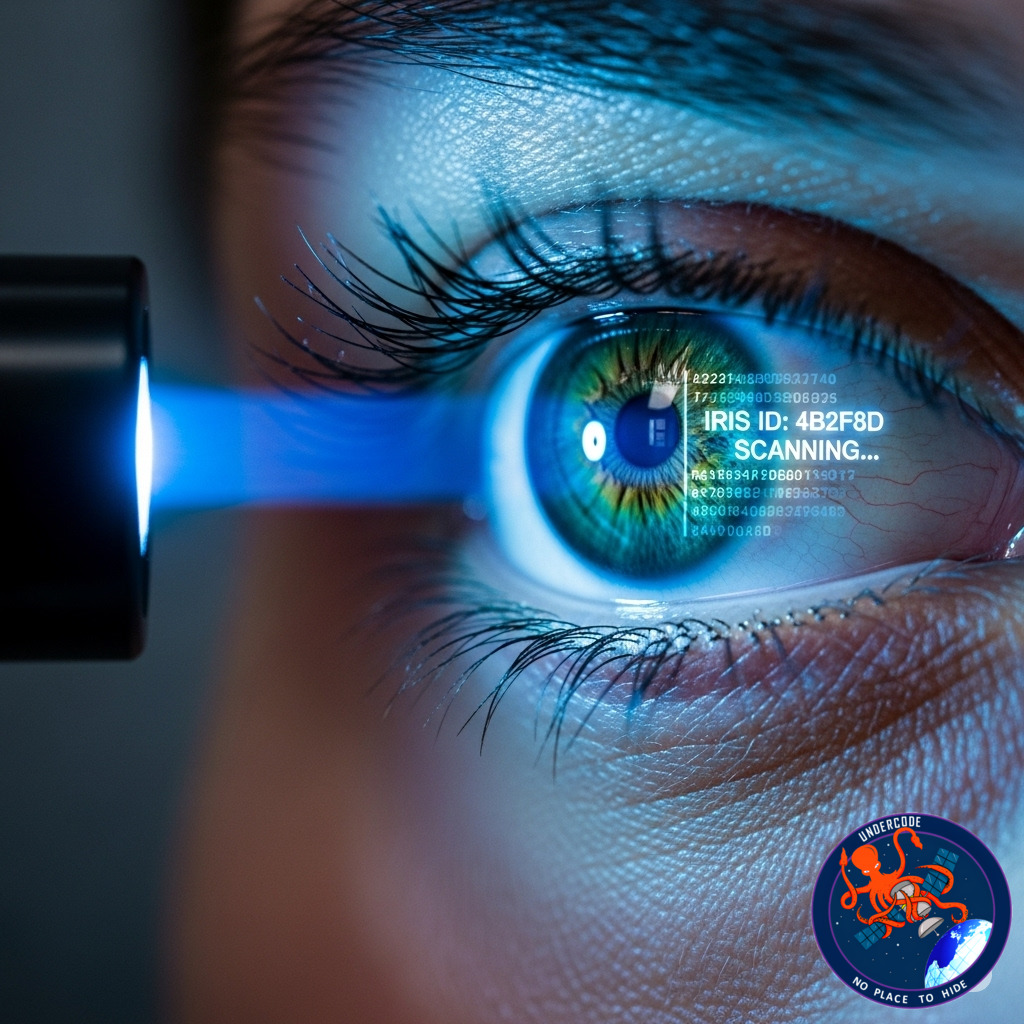
In an era where online identity verification is increasingly critical yet alarmingly vulnerable, Sam Altman, the co-founder of OpenAI, has launched an ambitious initiative aimed at reshaping how we prove who we are in the digital world. Known formerly as Worldcoin, the World Project is making waves with its novel approach: using biometric eye scans to create a secure, decentralized digital ID system. This initiative, debuting in six major U.S. cities in May 2025, promises to protect online interactions from bots, fraud, and deepfake misinformation through cutting-edge technology and blockchain.
the World Project’s Vision and Technology
The World Project is driven by a vision to build a universally accessible digital identity system that balances privacy and security in an increasingly AI-driven world. At its core is the Orb, a polished silver sphere designed to scan users’ irises and convert these unique patterns into encrypted IrisCodes stored securely on a blockchain. Unlike traditional username-password methods, which are prone to hacks and phishing, this biometric approach offers a far stronger shield against identity theft and impersonation.
The project is a collaboration between Tools for Humanity, co-founded by Sam Altman and Alex Blania, and emphasizes a decentralized identity platform that aims to restore trust in the digital economy. The World ID system could serve as a foundational tool to combat growing online threats, including AI-generated misinformation and bot attacks.
The Orb technology transforms a user’s iris pattern into an encrypted code, never storing actual images. This enhances privacy while leveraging blockchain’s decentralized architecture to eliminate single points of failure and reduce mass data breach risks. To date, over 12 million people in more than 100 countries have participated, with the U.S. rollout deploying 7,500 Orbs in cities like Los Angeles, Miami, and San Francisco. The company plans to expand hardware presence globally by four times before the end of 2025.
Adding a tangible financial incentive, early users receive 14 WLD cryptocurrency tokens upon iris scanning. These tokens can be used for online transactions, DeFi applications, and identity verification. The forthcoming World Card, a Visa-backed crypto debit card, aims to bridge digital currency with everyday spending, broadening mainstream adoption.
Strategic partnerships are also underway. Notably, Match Group is testing World ID integration for Tinder in Japan to combat catfishing and fraud, potentially setting a precedent for safer online dating worldwide.
Despite its promising technology, the project faces skepticism. Critics highlight privacy concerns, ethical questions about incentivizing biometric data sharing with crypto rewards, and reports of coercion and black markets for iris data. World Project leaders emphasize transparency, stating no iris images are stored and blockchain prevents data misuse. Still, earning public trust remains an uphill battle.
What Undercode Say:
Sam Altman’s World Project is undoubtedly a bold leap toward addressing one of the most pressing issues in today’s digital landscape: authenticating real humans in an ocean of fake profiles and AI-generated content. The use of biometric iris scans, combined with blockchain technology, signals a significant evolution from outdated password-based systems that hackers have exploited for years. By focusing on decentralization, the World Project not only mitigates the risk of centralized data breaches but also empowers users with greater control over their identity information.
The integration of cryptocurrency rewards and a practical Visa-backed debit card shows a keen understanding of human behavior—gamifying identity verification could accelerate adoption and create a vibrant ecosystem where digital identity and financial transactions coexist seamlessly. This is especially vital in a digital economy where trust deficits stunt growth and innovation.
However, the World Project’s ambitions come bundled with ethical and privacy complexities that cannot be overlooked. Incentivizing biometric data collection through crypto rewards risks commodifying deeply personal information. Reports of coercion and a black market for iris scans raise alarming red flags about exploitation and data security. Despite assurances from the company about privacy safeguards, the reality of trust-building in diverse cultural and legal contexts is far more complicated.
Additionally, while blockchain promises decentralization, it’s crucial to scrutinize who controls the nodes, how data is encrypted, and the mechanisms for consent and revocation. Transparency and accountability must be baked into every stage to prevent this technology from becoming a new surveillance tool rather than a liberation tool.
The partnership with Match Group is a fascinating case study, highlighting real-world application potential. If successful, it could reduce online fraud and build safer communities in one of the most fraud-prone digital arenas—online dating. Yet, it also raises questions about the ethics of biometric verification in private social spaces and the potential for exclusion or misuse.
Looking ahead, the World Project could redefine digital trust frameworks and identity management globally, especially as AI-generated misinformation and bot attacks escalate. But its success hinges on striking a delicate balance between innovation, privacy rights, and ethical data use. Governments, regulators, and civil society will need to engage actively to ensure this bold experiment safeguards human dignity while advancing technological progress.
🔍 Fact Checker Results:
✅ The World Project’s use of iris scanning and blockchain for digital identity verification is verified and currently operational in six U.S. cities.
❌ No evidence supports claims that the project stores actual iris images; the encrypted IrisCode system ensures privacy.
⚠️ Reports of coercion and black markets for biometric data remain anecdotal but have been flagged by privacy advocates as concerns requiring monitoring.
📊 Prediction:
The World Project is poised to disrupt digital identity as we know it, particularly in combating AI-driven online fraud and misinformation. By 2026, biometric-based decentralized IDs could become a mainstream standard for high-risk sectors like finance, dating, and social platforms. However, its broader adoption will depend on resolving ethical issues, public trust, and regulatory frameworks. If these hurdles are overcome, this initiative may lay the groundwork for a more secure and trustworthy digital future — but if mishandled, it risks sparking backlash and privacy crises that could stall biometric identity systems worldwide.
🕵️📝✔️Let’s dive deep and fact‑check.
References:
Reported By: timesofindia.indiatimes.com
Extra Source Hub:
https://www.reddit.com/r/AskReddit
Wikipedia
OpenAi & Undercode AI
Image Source:
Unsplash
Undercode AI DI v2
🔐JOIN OUR CYBER WORLD [ CVE News • HackMonitor • UndercodeNews ]
📢 Follow UndercodeNews & Stay Tuned:
𝕏 formerly Twitter 🐦 | @ Threads | 🔗 Linkedin | 🦋BlueSky | 🐘Mastodon


