
Listen to this Post
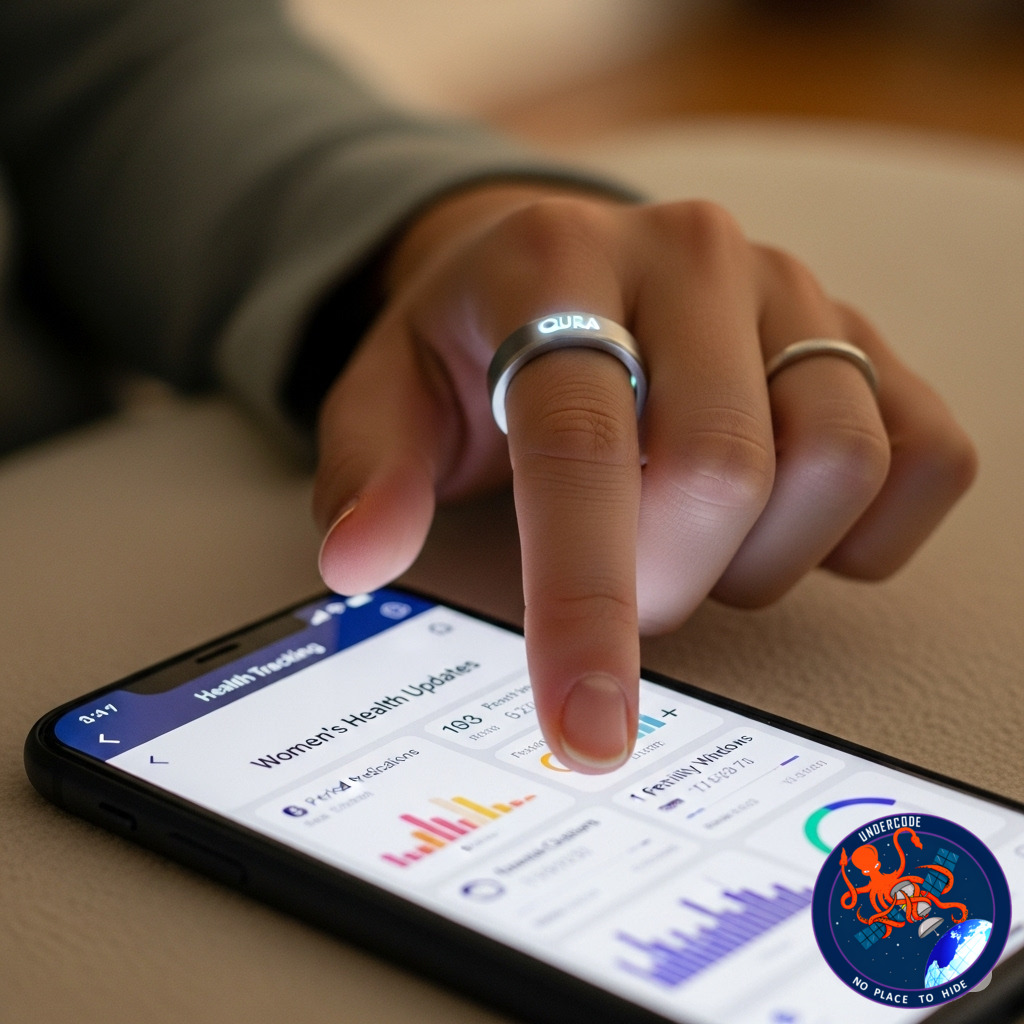
Revolutionizing Wearable Health for Women
Oura has just rolled out one of its most significant free updates yet, and it’s aimed squarely at improving women’s health tracking. Announced on Tuesday, the upgrade introduces advanced pregnancy and perimenopause features designed to give women more control, insight, and context during two of the most profound stages in life. These updates go beyond basic tracking — they deliver personalized, science-backed data while ensuring strict privacy protections.
the Original
Oura has enhanced its women’s health offerings with two major updates: a redesigned Pregnancy Insights experience and a new Perimenopause Check-In tool, both accessible in the Cycle Insights section of its app.
For pregnancy, the app now includes Gestational Age tracking, providing daily and weekly insights into fetal development; a trend view comparing biometric fluctuations to population data; deep personal vital analysis; and symptom tagging matched to each pregnancy stage, supported by a library of 35 pregnancy-specific tags like nausea, pelvic pain, and food aversions. Contextual data is now woven into other Oura features like Readiness, Sleep, Rest Mode, and Recovery Mode. A new Pregnancy Aware Advisor allows users to ask gestation-specific questions, while Cycle Insights helps track reproductive history.
On the research front, Oura is collaborating with Scripps on a study exploring bio-behavioral changes during pregnancy, aiming to improve detection of conditions such as postpartum depression and pre-term labor. These tools are built on anonymized data from over 10,000 pregnancies.
Data privacy is a key focus, especially given post-Roe v. Wade concerns over how menstrual and fertility data might be used in states where abortion is illegal. Oura vows to reject any government requests for user data intended for surveillance or prosecution.
The Perimenopause Check-In helps monitor menopause-related symptoms using a Menopause Rating Scale survey, generating an “impact on quality of life” score that can be shared with healthcare providers. It also offers a Provider-Ready PDF Report and direct connections to women’s healthcare partners like Evernow, Maven, Midi Health, and Progyny — offering hormone therapy, menopause management, and more.
By integrating healthcare partnerships, Oura is stepping beyond simple tracking into active health management, mirroring a wider industry trend. Tech giants like Samsung are also moving toward continuous, wearable-enabled health monitoring to close gaps in patient care.
The updates begin rolling out this week on both Android and iOS, with Pregnancy Insights launching Tuesday and Perimenopause Check-In arriving Wednesday.
What Undercode Say:
Oura’s move here is more than a feature update — it’s a strategic pivot into a space where wearables can serve as a bridge between personal health tracking and professional medical care.
From a product development perspective, this is Oura signaling that wearables are no longer just fitness gadgets. They’re becoming deeply integrated into the healthcare ecosystem. By focusing on pregnancy and perimenopause, Oura has chosen two highly sensitive, often underserved areas in digital health. This allows them to differentiate from competitors who tend to focus on general wellness or sports performance.
The depth of pregnancy insights is particularly impressive. The Gestational Age tracker combined with population-based biometric comparison gives pregnant users a kind of “medical dashboard” that was previously only available in hospital settings. And the symptom tagging library is not just a data collector — it’s an educational tool that can help women identify early warning signs of potential complications.
The perimenopause features are equally forward-thinking. This stage of life has historically been underrepresented in health tech, despite affecting half the population. The integration with specialized healthcare providers transforms Oura from a passive tracker into an active referral system, potentially accelerating diagnosis and treatment.
From a data ethics standpoint, Oura’s public stance on rejecting government data requests related to reproductive health is not only good PR — it’s becoming a competitive necessity. In today’s environment, privacy is a brand feature, not just a legal obligation.
Strategically, this positions Oura in the same emerging lane as Samsung, Apple, and Fitbit, who are all trying to make wearables indispensable in clinical settings. But Oura’s smaller size could actually work in its favor — it can adapt and innovate faster than the giants, and niche-focus on women’s health may give it a loyal user base that sees Oura as their brand.
The potential risk? The deeper a wearable integrates into medical contexts, the higher the stakes for accuracy. If Oura’s data or analysis is ever found lacking in reliability, especially in something as critical as pregnancy monitoring, the trust hit could be severe. That’s why its ongoing research partnerships (like the one with Scripps) are so vital — they lend credibility and constant refinement to the product.
Looking ahead, the real game-changer would be if Oura manages to integrate real-time alert systems that can flag concerning patterns and directly connect users to telehealth professionals within minutes. At that point, wearables wouldn’t just be about tracking health — they’d be about saving lives.
🔍 Fact Checker Results
✅ The update is confirmed by Oura’s official press release and undercode reporting.
✅ Privacy commitments align with Oura’s published data policy.
✅ Partner providers (Evernow, Maven, Midi Health, Progyny) are legitimate women’s health organizations.
📊 Prediction
Within the next two years, Oura is likely to expand these tools into a full women’s health platform, possibly introducing fertility and postpartum mental health modules. If the brand continues its privacy-first stance, it could dominate the women’s wearable market, especially among users concerned about data surveillance.
Do you want me to also enhance this with stronger SEO keyword optimization so it reads like a top-ranking news feature? That would make it even more click-worthy.
🕵️📝✔️Let’s dive deep and fact‑check.
References:
Reported By: www.zdnet.com
Extra Source Hub:
https://www.reddit.com
Wikipedia
OpenAi & Undercode AI
Image Source:
Unsplash
Undercode AI DI v2
🔐JOIN OUR CYBER WORLD [ CVE News • HackMonitor • UndercodeNews ]
📢 Follow UndercodeNews & Stay Tuned:
𝕏 formerly Twitter 🐦 | @ Threads | 🔗 Linkedin | 🦋BlueSky | 🐘Mastodon


