
Listen to this Post
A New Frontier in the AI Rivalry
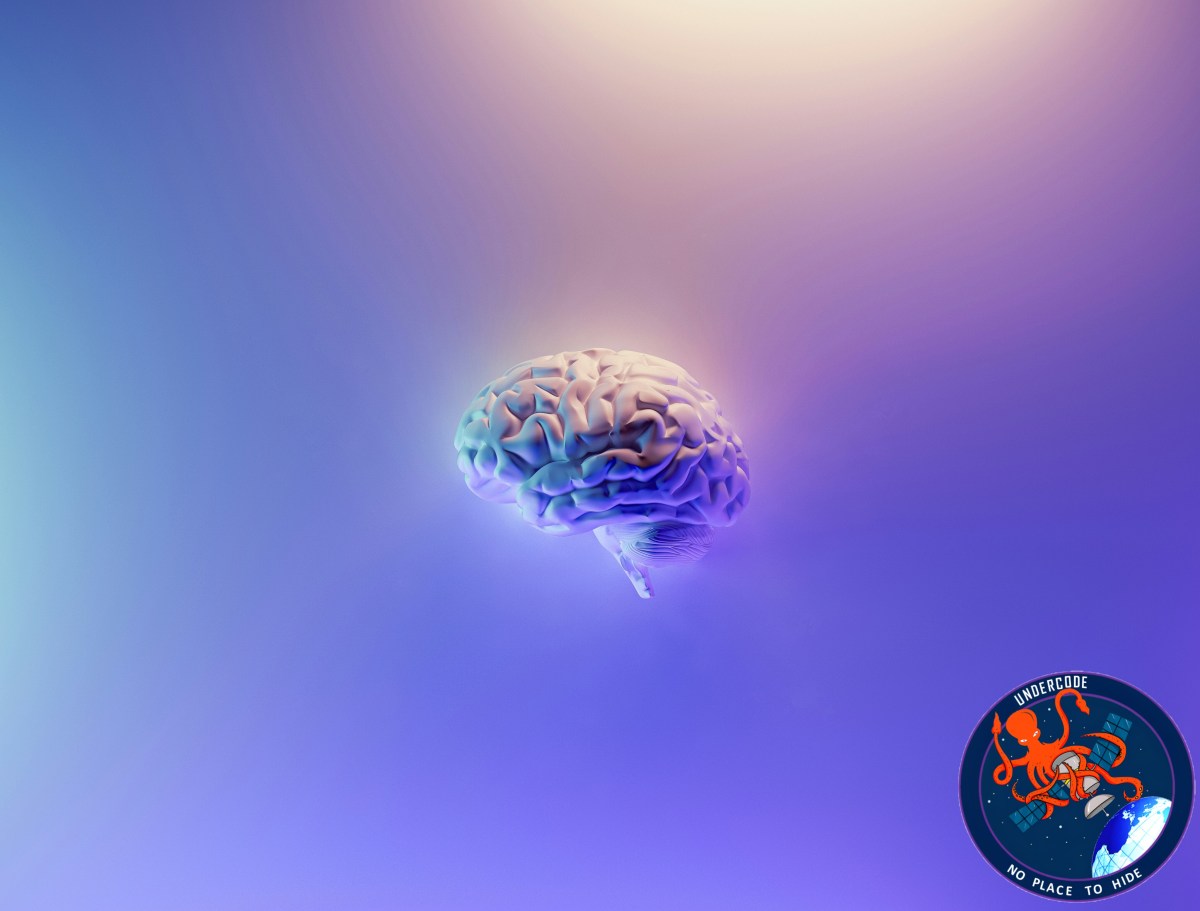
The clash between OpenAI CEO Sam Altman and Tesla/xAI CEO Elon Musk has officially moved from the realm of artificial intelligence into the deepest territory yet — the human brain. According to a report by Financial Times, Sam Altman is co-founding a brain–computer interface (BCI) startup called Merge Labs, set to compete directly with Musk’s Neuralink.
This isn’t just another tech rivalry — it’s a race to integrate humans with AI on a biological level. Merge Labs is reportedly in the process of raising \$850 million, including \$250 million from OpenAI’s venture fund. While Altman will serve as co-founder, he won’t be involved in the daily operations. The company is also collaborating with Alex Blania, CEO of Tools for Humanity, another Altman-led venture focused on biometric digital identity.
Merge Labs vs Neuralink — Two Paths to the Same Goal
Founded in 2016, Neuralink has developed advanced brain implants designed to help people with paralysis control devices purely with their thoughts. The company recently raised \$600 million at a staggering \$9 billion valuation and is currently conducting human trials.
Merge Labs, in contrast, is pursuing less invasive brain interfaces with a focus on AI-powered cognitive enhancements. While medical rehabilitation is part of the plan, the startup’s ambition extends further — toward full human–AI integration. This vision echoes Altman’s own 2017 statement:
“We will be the first species ever to design our own descendants.”
The Public War of Words
Outside the labs, the Altman–Musk rivalry continues to flare up. Recently, the two engaged in a heated public spat over Apple’s App Store rankings.
Musk accused Apple of manipulating rankings to keep OpenAI’s ChatGPT in the 1 spot on the U.S. App Store’s free app list, claiming it was an “unequivocal antitrust violation.” At the time, ChatGPT was 1 while Musk’s Grok app from xAI sat at 5. Musk even threatened legal action against Apple.
Altman fired back, calling Musk’s claims “remarkable” considering reports that Musk manipulated X’s (formerly Twitter) algorithms to prioritize his own posts. He referenced a 2023 Platformer report alleging Musk boosted his tweets after a post from President Biden outperformed his. Altman challenged Musk to sign an affidavit denying such behavior — promising to publicly apologize if Musk complied.
What Undercode Say:
The emergence of Merge Labs marks a pivotal moment in the brain–AI integration race — and it’s more than just a technological contest. It’s a collision of two radically different visions for how humans will interface with machines in the decades to come.
Elon Musk’s Neuralink approach is invasive but proven in early medical use cases. By physically implanting neural chips, Neuralink can directly tap into the brain’s electrical signals. This high-bandwidth link offers unmatched precision but raises significant ethical, medical, and regulatory concerns.
Sam Altman’s Merge Labs seems to be playing the long game. Less invasive methods could mean easier adoption, lower medical risk, and wider consumer appeal. Altman’s ties to OpenAI give Merge Labs an AI powerhouse to integrate with from day one — potentially making its system more intelligent and adaptive than Neuralink’s hardware-first model.
The real battleground will likely be data. Whoever controls the brain–AI interaction platform will own some of the most valuable and sensitive data imaginable — human thoughts, intentions, and patterns. That brings privacy, security, and consent issues to the forefront. Governments will inevitably step in, and public opinion will be shaped as much by fear of surveillance as by excitement for cognitive upgrades.
Meanwhile, the public feud between Altman and Musk isn’t just ego — it’s strategy. By controlling the narrative, each tries to frame the other as untrustworthy or monopolistic. This plays directly into the broader regulatory and public trust battle. If Musk can paint OpenAI as overly favored by tech giants like Apple, it bolsters his case against its dominance. Conversely, if Altman can frame Musk as manipulating his own platforms, it weakens Musk’s credibility when accusing others of bias.
We’re watching a rivalry that has moved from AI algorithms to app store politics, and now into the human brain itself. It’s part business war, part philosophical battle, and part PR spectacle — and it could set the stage for how humanity interacts with AI for generations.
🔍 Fact Checker Results
✅ Financial Times reported Sam Altman is co-founding Merge Labs and raising \$850M.
✅ Neuralink has raised \$600M at a \$9B valuation and is conducting human trials.
✅ The App Store ranking dispute and quoted exchanges between Musk and Altman are publicly documented.
📊 Prediction
If Merge Labs successfully develops a scalable, non-invasive brain–AI interface, it could outpace Neuralink in consumer adoption within the next decade. However, Neuralink’s medical breakthroughs will keep it dominant in the healthcare space. Expect both companies to face heavy regulation, and for their rivalry to intensify as AI becomes increasingly embedded in human biology.
🕵️📝✔️Let’s dive deep and fact‑check.
References:
Reported By: timesofindia.indiatimes.com
Extra Source Hub:
https://www.medium.com
Wikipedia
OpenAi & Undercode AI
Image Source:
Unsplash
Undercode AI DI v2
🔐JOIN OUR CYBER WORLD [ CVE News • HackMonitor • UndercodeNews ]
📢 Follow UndercodeNews & Stay Tuned:
𝕏 formerly Twitter 🐦 | @ Threads | 🔗 Linkedin | 🦋BlueSky | 🐘Mastodon


