
Listen to this Post
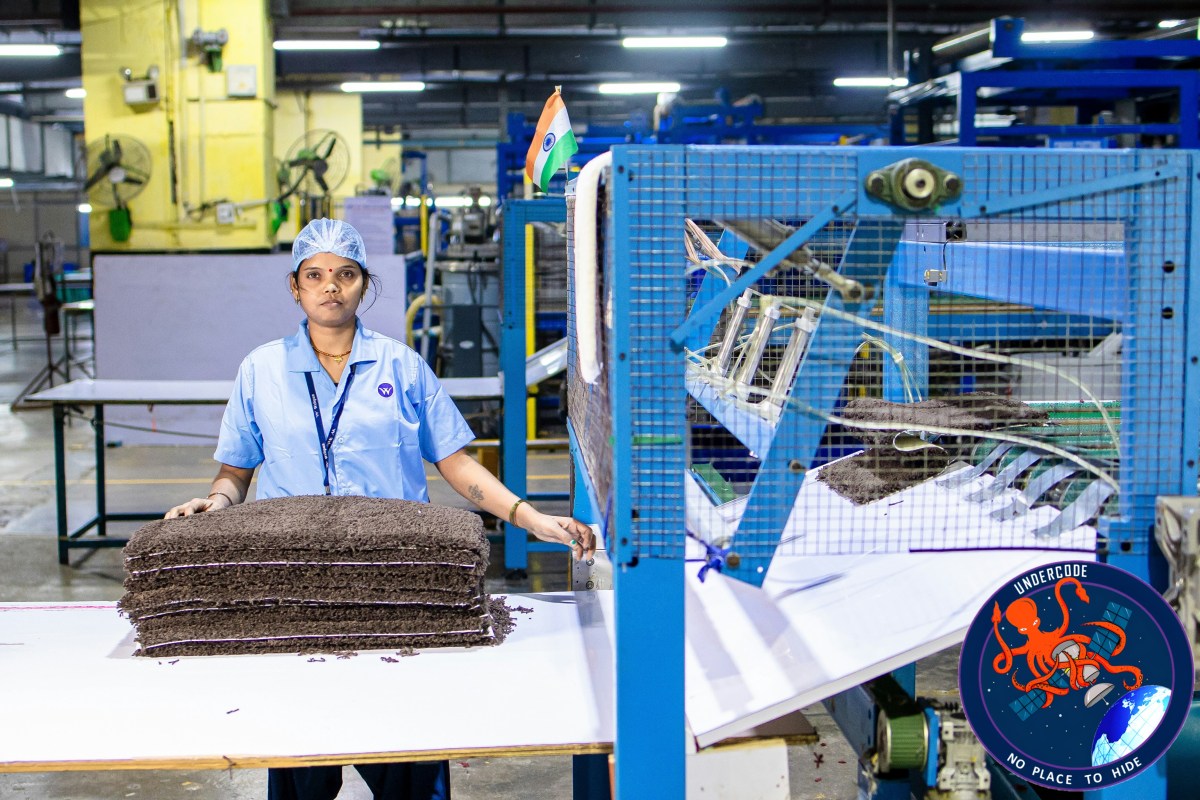
A New Chapter in India’s Electronics Growth
Samsung has taken its ‘Make in India’ commitment to the next level by starting laptop manufacturing at its Noida plant, a significant milestone in India’s growing electronics industry. The move strengthens the country’s position as a global manufacturing hub while showing how foreign tech giants are adapting to India’s rising consumer aspirations. From smartphones to laptops, Samsung’s expansion reflects the government’s vision of turning India into a self-reliant technology powerhouse.
Rising Momentum of Local Manufacturing
Over the last decade, India’s electronics sector has undergone a dramatic transformation, with production jumping from \$31 billion in 2014-15 to \$133 billion in 2024-25. Exports have surged as well, growing more than 47 percent in Q1 2025-26 compared to the same quarter of the previous year. This growth is not accidental but the result of deliberate policy pushes such as incentives for manufacturers, infrastructure improvements, and growing skilled talent in the sector.
Samsung’s Expanding Footprint in India
Union Minister for Electronics and IT, Ashwini Vaishnaw, highlighted that Samsung continues to deepen its manufacturing presence in India, powered by local innovation and engineering. Samsung’s research unit in the country employs more than 7,000 engineers, playing a pivotal role in product development and global operations. From just two mobile manufacturing units in 2014, India now hosts more than 300, showcasing the scale of transformation.
Growth in PC and Smartphone Markets
India’s PC market has also shown encouraging signs, with shipments of desktops, laptops, and workstations rising 7.1 percent year-on-year in Q1 FY26, reaching 3.39 million units. This demand aligns with Samsung’s decision to start laptop production locally, ensuring the company can meet rising needs more effectively. On the smartphone side, Samsung’s ‘Made in India’ Galaxy Z Fold7 has seen overwhelming success, especially in smaller towns and rural regions. The foldable phone has been selling out in select markets, forcing the company to increase production at its Noida plant.
Expanding Reach into Tier 3 and Tier 4 Cities
The surprising element of Samsung’s success story lies in its consumer base. While high-end devices like foldables were once considered niche, demand is now booming in tier 3 and tier 4 cities, reflecting India’s growing economic confidence. Samsung executives note that the “out-of-stock” situation of the Z Fold7 is largely due to this surge from rural and semi-urban markets, something that few global tech companies anticipated.
What Undercode Say:
Samsung’s latest step into laptop production in India signals more than just corporate expansion—it represents a shift in how global technology companies perceive India’s role in the supply chain. For years, India was primarily seen as a market for consumption rather than large-scale production. Now, the tide has turned, with India becoming an essential manufacturing hub for global electronics.
The introduction of laptop manufacturing at Noida complements the country’s increasing demand for PCs. While global PC shipments have been declining in recent years, India is showing resilience with a 7.1 percent growth in Q1 FY26. Samsung’s decision seems timely, aligning with this domestic growth while also allowing exports to new markets in Asia, Africa, and Europe.
The demand surge in smaller cities is particularly noteworthy. The Galaxy Z Fold7’s popularity beyond metro cities reflects a cultural and economic shift. Consumers in tier 3 and 4 regions are no longer passive buyers of budget models; they are aspirational customers willing to invest in premium devices. This changes the dynamics of India’s consumer market, forcing companies to rethink product placement, distribution, and after-sales service.
From a policy perspective, the government’s role cannot be ignored. The jump from 2 mobile factories in 2014 to 300 in 2025 showcases the effectiveness of initiatives like Production Linked Incentives (PLI), import substitution policies, and tax reforms. By combining private sector ambition with state support, India has crafted a formula that attracts global manufacturers.
For Samsung, the benefits go beyond market expansion. By producing laptops in India, the company reduces import costs, gains tariff advantages, and positions itself as a brand aligned with India’s national priorities. This builds goodwill with policymakers and strengthens its competitive edge against rivals like Apple, Dell, and HP, who are also expanding Indian operations.
However, challenges remain. Infrastructure bottlenecks, reliance on imported components such as semiconductors, and the need for consistent quality standards are hurdles that cannot be overlooked. The next stage of growth will depend on whether India can create a robust component ecosystem and not just focus on assembly-line production.
In the long term, Samsung’s Noida expansion may serve as a blueprint for other global firms. The move demonstrates how India is not only a high-potential market but also a cost-effective production base with an increasingly skilled workforce. If executed effectively, this could accelerate India’s ambition to rival China and Vietnam as global manufacturing leaders in electronics.
Ultimately, Samsung’s decision reflects confidence in India’s economic trajectory. Rising middle-class aspirations, government policy alignment, and strong demand across multiple tiers of society point to a future where India will no longer just consume technology but actively shape its global production.
🔍 Fact Checker Results
✅ India’s electronics production has indeed grown from \$31 billion in 2014-15 to \$133 billion in 2024-25.
✅ Samsung’s Galaxy Z Fold7 is manufactured in India and has faced supply shortages due to demand.
✅ India now has over 300 mobile manufacturing units compared to just 2 in 2014.
📊 Prediction
Samsung’s Noida laptop manufacturing unit will likely position India as a leading exporter of mid-range and premium laptops within the next five years. Tier 3 and Tier 4 cities will continue driving unexpected demand for premium smartphones, making India a testing ground for next-gen foldables and high-performance devices. If infrastructure and semiconductor manufacturing improve, India could emerge as Samsung’s second-largest production base after South Korea by 2030.
🕵️📝✔️Let’s dive deep and fact‑check.
References:
Reported By: zeenews.india.com
Extra Source Hub:
https://www.twitter.com
Wikipedia
OpenAi & Undercode AI
Image Source:
Unsplash
Undercode AI DI v2
🔐JOIN OUR CYBER WORLD [ CVE News • HackMonitor • UndercodeNews ]
📢 Follow UndercodeNews & Stay Tuned:
𝕏 formerly Twitter 🐦 | @ Threads | 🔗 Linkedin | 🦋BlueSky | 🐘Mastodon


