
Listen to this Post
Introduction
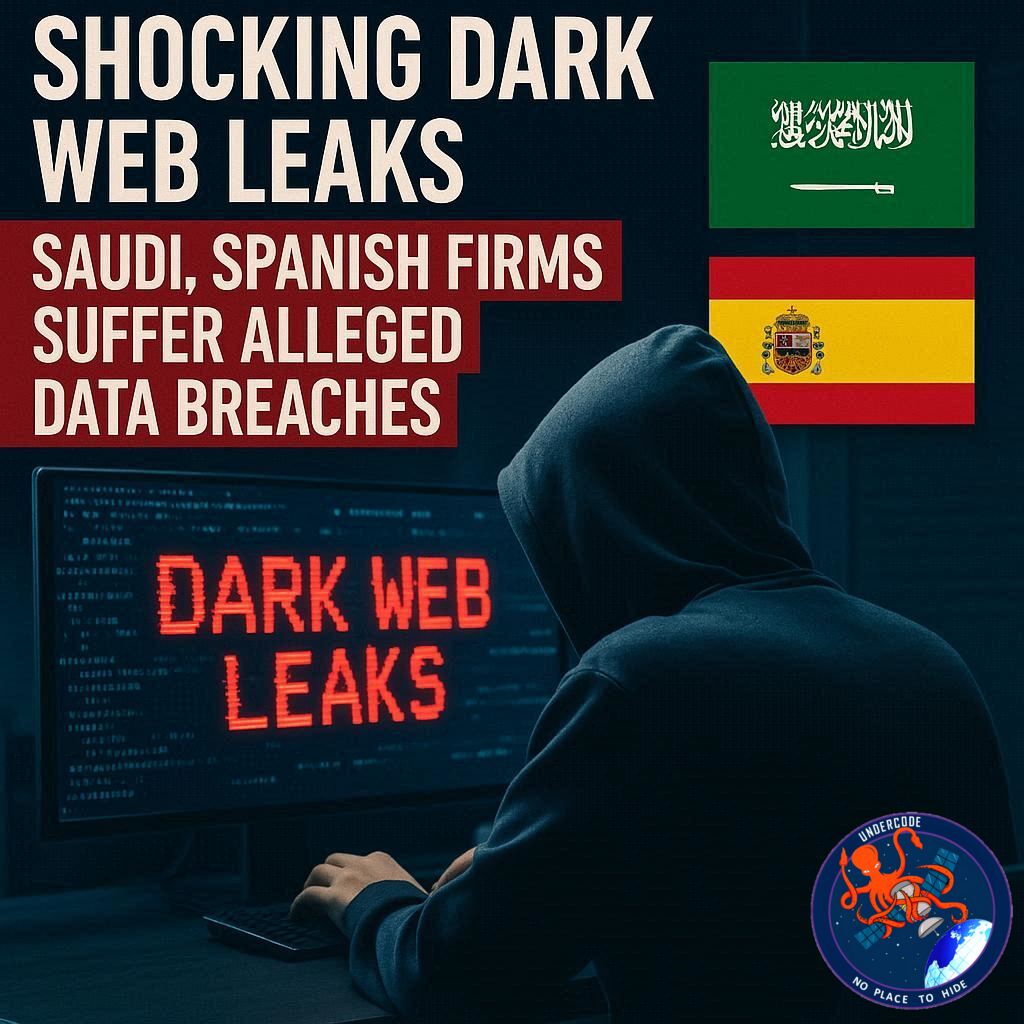
In today’s digital battlefield, cyberattacks are no longer isolated incidents — they are becoming daily headlines. Two new alleged breaches have surfaced, targeting a Saudi Arabian digital marketing firm and a Spanish mobility cooperative. These revelations, reportedly circulating on the dark web, highlight the ever-growing risks of data exposure and the vulnerability of organizations worldwide. From leaked job applicant details in Saudi Arabia to thousands of client records in Spain, the consequences of these alleged breaches may be far-reaching for both businesses and individuals.
the Original Report
Dark Web Intelligence sources revealed that Saudi Arabia’s digital marketing firm DIGO has allegedly suffered a major data breach. Reports suggest that sensitive details, including job applicant information and user records, may have been leaked. This kind of exposure could severely damage the firm’s reputation while endangering the privacy of those who entrusted their information.
In another case, Spain’s mobility cooperative Som Mobilitat was reportedly hacked, with the data of over 4,000 clients now allegedly being sold online. The leaked information is believed to include personal client records, which cybercriminals could exploit for financial gain, identity theft, or phishing campaigns.
Both incidents are part of a wider pattern of cyberattacks hitting organizations worldwide, where attackers exploit weak defenses and sell stolen data on underground markets. While official confirmations are still pending, the leaks are already raising alarm among cybersecurity experts and affected users alike.
These alleged breaches underline the urgent need for businesses to strengthen digital defenses, conduct regular security audits, and prioritize user privacy. Cybersecurity is no longer just a technical challenge — it is a matter of corporate survival and customer trust.
What Undercode Say:
When analyzing these reported breaches, it becomes clear that this is not an isolated occurrence but part of a larger cybercrime ecosystem. DIGO, as a digital marketing firm, likely stores vast amounts of client and applicant information, making it a lucrative target for hackers. Job applicant data, such as CVs, addresses, and contact numbers, are highly valuable on the black market since they can be exploited for impersonation and scams.
Som Mobilitat’s case reveals another angle — mobility cooperatives handle personal identification and payment details, making them attractive targets. With over 4,000 clients allegedly affected, the attackers could profit by reselling the information in bulk. Such leaks also increase the risks of ransomware attempts, phishing attacks, and fraudulent activities.
The dark web thrives on these transactions. Once data appears for sale, it spreads rapidly across multiple platforms, making recovery impossible. This highlights the importance of preventive cybersecurity rather than reactive measures. By the time a company learns of a breach, the damage is often already irreversible.
Moreover, regional cyberattacks like these demonstrate that no market is too small to be targeted. While global corporations are prime targets, medium-sized firms in sectors like marketing, mobility, and logistics are increasingly vulnerable because they often lack advanced cybersecurity infrastructure.
For Saudi Arabia, this breach could raise questions about how well companies are aligning with national cybersecurity frameworks. For Spain, it may force cooperatives and smaller businesses to adopt stricter data protection practices, especially under European GDPR regulations.
Another angle to consider is reputation damage. Even if the breach is “alleged” and not officially confirmed, the news itself can erode trust among clients and applicants. Customers may hesitate to share sensitive data, fearing mishandling or future exposure.
From a broader perspective, these cases illustrate how cybercriminals are expanding their scope beyond financial institutions to target any sector that stores personal or business data. This evolution of targets suggests a strategic shift in the cyber underground — from chasing financial data alone to harvesting identities, patterns, and corporate secrets.
To counter this, companies need not only stronger firewalls and monitoring systems but also staff training, incident response plans, and close collaboration with cybersecurity agencies. Governments too must play a larger role, ensuring businesses comply with minimum cybersecurity standards while creating awareness campaigns for citizens on safe data practices.
Ultimately, these breaches show us a world where data is currency and protecting it is as critical as safeguarding money in a bank vault. Businesses that fail to adapt may face not only financial losses but also legal penalties and an irreversible loss of credibility.
✅ Fact Checker Results
Both incidents are currently reported as alleged breaches. Official confirmation from DIGO and Som Mobilitat is still awaited. However, multiple cybersecurity monitors and dark web trackers have flagged the leaked data as real. This indicates a high likelihood of authenticity.
🔮 Prediction
Looking ahead, more mid-sized firms in Europe and the Middle East will likely face similar dark web exposure. Hackers are shifting focus from large corporations to smaller organizations with weaker defenses. If unaddressed, we may see a surge of job applicant and client data leaks across industries, fueling identity theft, scams, and dark web marketplaces.
🕵️📝✔️Let’s dive deep and fact‑check.
References:
Reported By: x.com
Extra Source Hub:
https://www.reddit.com/r/AskReddit
Wikipedia
OpenAi & Undercode AI
Image Source:
Unsplash
Undercode AI DI v2
🔐JOIN OUR CYBER WORLD [ CVE News • HackMonitor • UndercodeNews ]
📢 Follow UndercodeNews & Stay Tuned:
𝕏 formerly Twitter 🐦 | @ Threads | 🔗 Linkedin | 🦋BlueSky | 🐘Mastodon


