
Listen to this Post
Introduction: Privacy at Risk at the Border
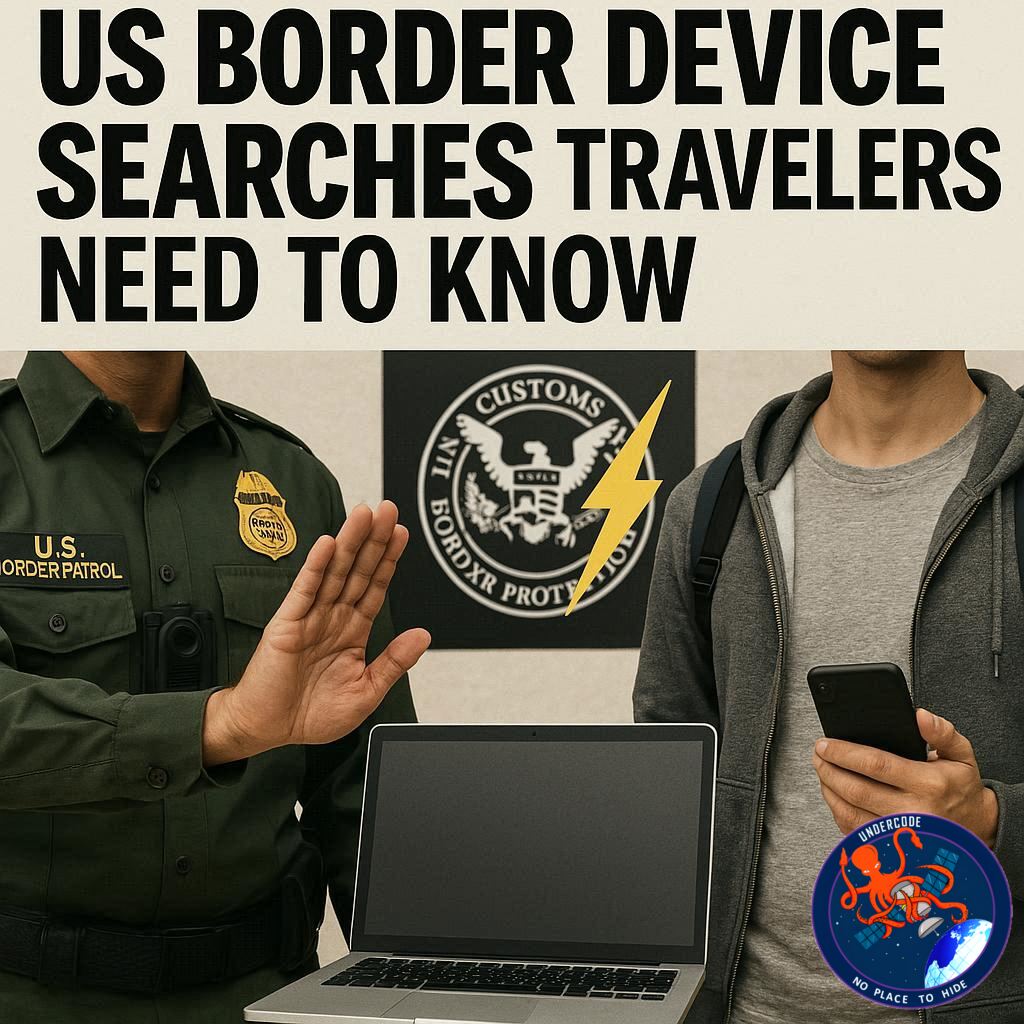
Travelers entering or returning to the United States are facing a growing threat to their digital privacy. In a startling new report, the U.S. Customs and Border Protection (CBP) conducted a record number of electronic device searches in the last quarter, raising serious questions about privacy rights, civil liberties, and the legal limits of government authority. For anyone traveling internationally, understanding these trends and learning how to protect personal data has never been more crucial.
Record-Breaking Device Searches by CBP
Between April and June this year, CBP officials inspected 14,899 electronic devices carried by travelers, surpassing the previous quarterly record of 12,766 devices from early 2022—a 16.7% increase. While the agency can search any electronic device, the majority are likely smartphones, which contain the most personal and sensitive information.
Device inspections vary from a brief manual check to a full forensic backup, allowing authorities to analyze every piece of data stored on the device. This rising trend has alarmed civil rights groups, especially given the potential impact on journalists, lawyers, and other professionals who carry sensitive information.
Civil Rights Concerns: A Chilling Effect on Travelers ❌
Esha Bhandari, deputy director of the ACLU’s Speech, Privacy, and Technology Project, warns that these searches create a chilling effect. Travelers may self-censor, avoid certain communications, or take extreme precautions out of fear of scrutiny.
“These searches represent a limitless authority claimed by CBP,” says Bhandari. “Anyone traveling could be subjected to invasive inspections without a warrant, affecting their right to privacy.”
Legal Ambiguities Around Device Searches
For non-U.S. citizens and Green Card holders, refusal to submit a device can result in denied entry. CBP holds the discretion to inspect devices without any legal challenge.
For U.S. citizens, the situation is murkier. Courts generally rule that border areas are exempt from Fourth Amendment protections, meaning a search warrant is not required. However, exceptions exist, and a device could be seized for questioning even if entry is not denied.
Practical Tips to Protect Your Privacy 🛡️
- Disable Biometrics: Turn off Face ID and Touch ID, as authorities may compel your fingerprint or facial scan but not your passcode.
- Update Devices: Ensure your smartphone has the latest software and use a strong alphanumeric passcode.
- Minimize Sensitive Data: Consider deleting apps with sensitive content temporarily or using a separate travel phone. Experts recommend using a travel phone normally for a few days to avoid suspicion.
- Travel Accessories: Compact chargers, MagSafe cases, and high-quality USB-C cables can help maintain connectivity while on the move.
What Undercode Say: In-Depth Analysis 🔍
The surge in device searches is more than a statistical anomaly; it signals a systemic shift in border enforcement strategies. CBP’s broad authority over travelers’ devices, combined with minimal legal restrictions, raises both ethical and practical concerns. For professionals, journalists, or anyone carrying sensitive digital information, the risk is tangible: personal communications, confidential files, and business data can all be scrutinized without prior notice.
The legal landscape is a gray area. While courts mostly allow warrantless searches at the border, the few rulings challenging this practice suggest potential vulnerabilities in CBP’s authority. This ambiguity leaves travelers in a precarious position, needing to weigh compliance against digital privacy.
For tech-savvy individuals, the travel-phone strategy offers a practical safeguard, but it also introduces logistical and behavioral considerations. Deleting sensitive apps or using alternative devices can mitigate risk but cannot fully eliminate exposure. The increasing frequency of inspections points to a more invasive trend that could extend beyond U.S. borders, influencing international travel norms.
From an analytical perspective, the data suggests a rising operational focus on digital intelligence, likely driven by national security concerns, but the impact on personal freedom and civil liberties is undeniable. The trend may encourage travelers to adopt proactive digital hygiene, including encryption, temporary device wipes, and strategic app management.
Ultimately, these searches reflect a tension between security and privacy, highlighting a growing need for clear legal frameworks and traveler awareness.
Fact Checker Results ✅❌
✅ CBP conducted 14,899 device searches from April to June 2025.
✅ Most searches involve smartphones, ranging from manual checks to full forensic backups.
❌ The legal status for U.S. citizens is not fully clear, with courts mostly allowing searches without warrants but some exceptions exist.
Prediction 🔮
The trend of device inspections at U.S. borders is likely to increase further, driven by heightened security measures and digital intelligence priorities. Travelers can expect stricter scrutiny, especially for smartphones and laptops containing personal or professional data. Civil liberties debates will continue, potentially leading to new regulations or legal challenges aimed at balancing privacy with national security concerns. Those who prepare proactively with travel-specific devices and digital hygiene practices will face fewer disruptions in future international travel.
🕵️📝✔️Let’s dive deep and fact‑check.
References:
Reported By: 9to5mac.com
Extra Source Hub:
https://stackoverflow.com
Wikipedia
OpenAi & Undercode AI
Image Source:
Unsplash
Undercode AI DI v2
🔐JOIN OUR CYBER WORLD [ CVE News • HackMonitor • UndercodeNews ]
📢 Follow UndercodeNews & Stay Tuned:
𝕏 formerly Twitter 🐦 | @ Threads | 🔗 Linkedin | 🦋BlueSky | 🐘Mastodon


