
Listen to this Post
Introduction: A Fresh Look at Pull Requests
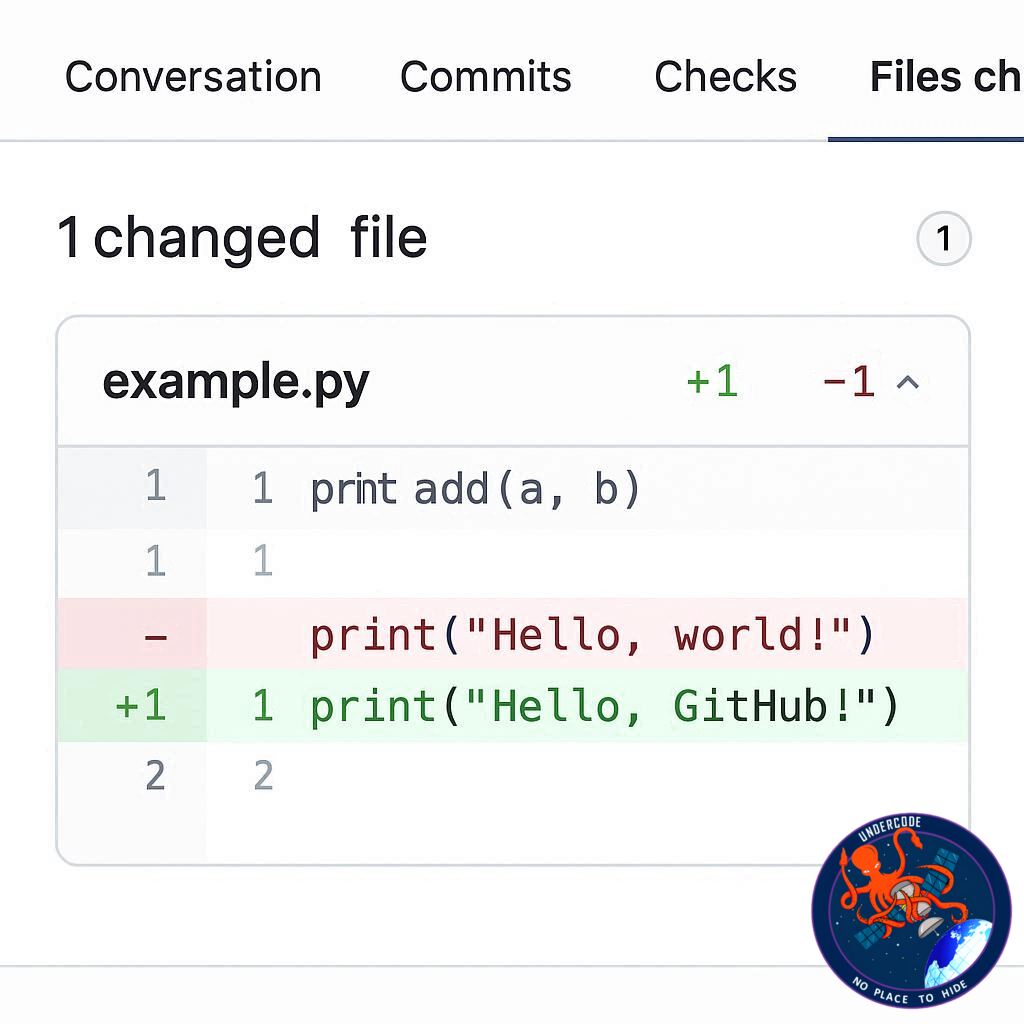
GitHub has rolled out exciting updates to its pull request “Files changed” page in public preview as of August 21. These changes aim to streamline code review, improve navigation, and add new capabilities for developers. From enhanced review panels to submodule support, this update makes managing pull requests smoother, faster, and more intuitive for software teams of all sizes.
Enhanced Review Submission Panel ✨
One of the biggest improvements is the review submission panel. Now located directly below the Submit review button, it’s designed for easier scrolling and quicker access to pending comments. Developers can submit their reviews with a simple keyboard shortcut—Command (or Ctrl) + Enter—reducing mouse travel and speeding up the workflow. The panel also expands to full height when needed, ensuring every pending comment is visible at a glance.
Submodule Support 📦
GitHub now allows individual review of submodule updates. When a submodule reference changes in a pull request, you can see exactly what’s being introduced. This makes it simpler to track modifications in large projects that rely on submodules, giving reviewers more precise control over what gets merged.
Key Fixes 🔧
The update also addresses several persistent issues:
Whitespace-only changes are now remembered per pull request, even after refreshing.
Viewing changes from all commits now correctly displays the latest modifications.
Animation loops below changed files have been removed for smoother navigation.
Pending comment issues in the review panel have been resolved.
Copying multiple lines from a diff no longer inserts unexpected blank lines.
Expanding diff hunks now respects whitespace settings.
Tab switching delays on large pull requests are minimized.
Known Issues ⚠️
Despite these improvements, some limitations remain:
Reviewing a single commit is not yet fully supported.
Applying multiple suggested changes (batching) is still a work in progress.
Some keyboard shortcuts for showing or hiding comments and annotations are missing.
Pull requests exceeding 300 files require switching back to the classic page.
GitHub encourages feedback through its discussion pages to help prioritize fixes and enhancements.
What Undercode Say: 🧐
The August 21 update marks a significant step forward in GitHub’s commitment to a smoother developer experience. By reworking the review submission panel, GitHub reduces friction for reviewers, which can lead to faster code approvals and fewer overlooked comments. The addition of submodule support is a game-changer for teams working with complex projects, allowing reviewers to track updates at a granular level.
Performance improvements, like reduced tab-switching delays, make handling large pull requests more manageable. Fixes to whitespace handling, animation loops, and diff copying show a clear response to developer pain points. However, limitations such as single commit review and batching highlight that GitHub’s new experience is still evolving. Developers working on very large pull requests might find the classic view more reliable for now.
Analytically, these updates signal a broader trend: tools are shifting toward optimizing efficiency and reducing repetitive tasks in code review workflows. Keyboard shortcuts and panel placement tweaks might seem minor but can save hours over the lifetime of multiple pull requests. The interface changes also hint at GitHub’s long-term plan to unify experience across pull request sizes and complexity, likely aiming for a more consistent, less error-prone workflow.
The update further emphasizes feedback-driven development, encouraging users to report issues and participate in refining the platform. This approach ensures that the public preview evolves in direct response to real-world developer needs. Developers and teams should monitor feedback discussions closely to understand ongoing improvements, known bugs, and workarounds.
Overall, GitHub’s approach reflects a user-centric, iterative development model, where each small enhancement cumulatively improves productivity. The combination of UI tweaks, performance fixes, and submodule review support positions GitHub as a leading collaborative platform for software development, especially for large-scale projects where detail-oriented review is critical.
Teams that integrate these updates now can potentially reduce review cycles, improve code quality, and streamline collaboration, while keeping an eye on the evolving feature set to avoid workflow disruptions. From an SEO perspective, highlighting these improvements using terms like “GitHub pull request updates,” “Files changed improvements,” and “submodule support” ensures visibility for developers searching for latest GitHub enhancements.
Fact Checker Results ✅❌
✅ All fixes mentioned in the update are officially documented on GitHub.
✅ Submodule support for pull request reviews is now functional.
❌ The new page still cannot fully handle pull requests over 300 files or batch suggestions.
Prediction 🔮
Looking ahead, GitHub is likely to expand functionality for single commit reviews, batch suggestions, and larger pull requests. Expect a smoother, fully keyboard-driven review workflow in future updates, with fewer UI limitations and even better handling of large-scale projects. Submodule support could also evolve into more advanced dependency tracking, further simplifying complex project management. These changes are set to dramatically increase review efficiency and reduce developer frustration in upcoming months.
🕵️📝✔️Let’s dive deep and fact‑check.
References:
Reported By: github.blog
Extra Source Hub:
https://www.reddit.com/r/AskReddit
Wikipedia
OpenAi & Undercode AI
Image Source:
Unsplash
Undercode AI DI v2
🔐JOIN OUR CYBER WORLD [ CVE News • HackMonitor • UndercodeNews ]
📢 Follow UndercodeNews & Stay Tuned:
𝕏 formerly Twitter 🐦 | @ Threads | 🔗 Linkedin | 🦋BlueSky | 🐘Mastodon


