
Listen to this Post
Introduction
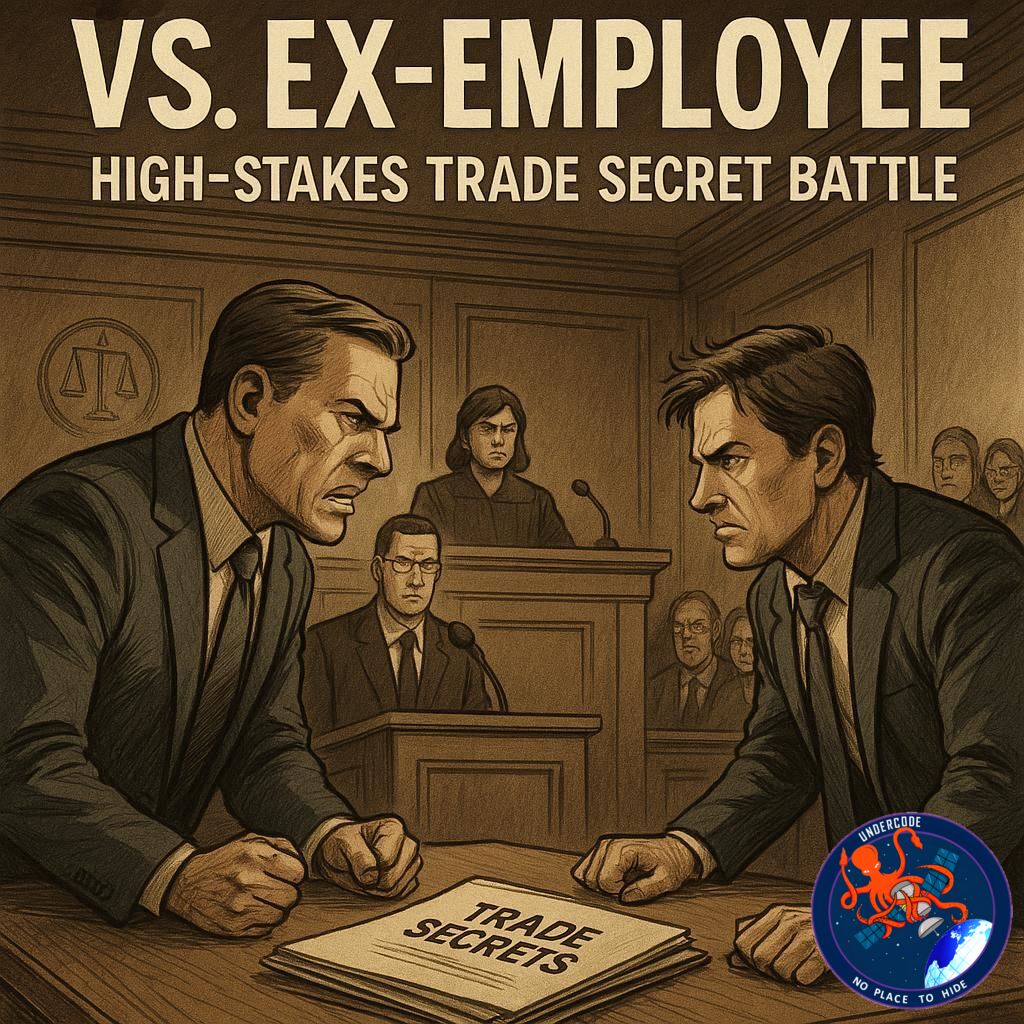
Apple has long been known for fiercely protecting its innovations, and its latest legal action is no exception. The tech giant is pursuing a former employee, alleging he tried to take proprietary information to a rival company. This case highlights the tension between talent mobility and corporate secrecy in the tech world, raising critical questions about ethics, intellectual property, and competitive advantage.
The Controversy Unfolded
Chen Shi, previously a Sensor System Architect on the Apple Watch team, joined Apple in January 2020. Recently, he left the company to work for Oppo, a Chinese electronics firm producing smartphones and wearables such as the Oppo Watch. According to Apple, Shi misled colleagues by claiming he was returning to China to care for his elderly parents, while secretly starting at Oppo earlier that month.
Apple alleges that Shi engaged in suspicious activity before his departure. He reportedly held private meetings, collected internal documents, and downloaded sensitive files. Alarmingly, log records suggest Shi searched online queries like “how to wipe out (a) macbook” and “Can somebody see if I’ve opened a file on a shared drive?” — actions indicative of attempting to conceal evidence of misconduct.
An email presented in the lawsuit adds more weight to Apple’s claims. Shi wrote to Oppo’s Vice President of Health, Zi Zijing Zeng, Ph.D.:
“I’m planning to start on 6/30. This week I’ll inform my team about my resignation. Lately, I’ve also been reviewing various internal materials and doing a lot of 1:1 meetings in an effort to collect as much information as possible—will share with you all later.”
Apple argues that instead of condemning this behavior, Dr. Zeng responded casually with “alright” and an “OK” emoji, implicating Oppo in the case. Apple is seeking multiple remedies from the court, including punitive damages, injunctions to prevent the use or destruction of trade secrets, attorneys’ fees, and any other relief deemed appropriate.
What Undercode Say: In-Depth Analysis 📊
Apple’s lawsuit against Chen Shi and Oppo provides a stark reminder of how seriously tech companies guard their intellectual property. This case illustrates several key points:
- Employee Movement Risks: In competitive tech fields, talent often moves between rivals. However, non-disclosure and non-compete agreements exist to prevent leakage of trade secrets. Shi’s alleged actions show the risks when these agreements are ignored.
-
Digital Footprint Matters: Log records of searches and file access play a critical role in legal disputes. Apple’s documentation of Shi’s activity strengthens its case by showing intent to gather sensitive information.
-
Corporate Accountability: The response from Oppo’s VP highlights how corporate culture can affect legal outcomes. A casual response to an employee admitting to collecting confidential materials may lead to shared liability.
-
Legal Precedent: Cases like this could influence future employment policies and how companies monitor the movement of key personnel. Firms may tighten internal access controls and enhance surveillance of employee behavior to safeguard IP.
-
Cross-Border Implications: With Shi moving to a Chinese firm, this case also raises questions about international enforcement of trade secret laws. U.S. companies increasingly face challenges protecting IP abroad.
-
Ethical Considerations: Beyond legality, the ethical aspect is crucial. Misrepresenting intentions and taking confidential materials could damage personal reputations, career trajectories, and industry trust.
-
Tech Competition Intensifies: The lawsuit reflects the high-stakes competition in wearable technology. Apple’s aggressive legal stance may deter other employees from similar actions, preserving its market edge.
-
Investor Confidence: Legal disputes involving trade secrets can influence investor sentiment. Apple’s swift response signals vigilance, potentially reassuring shareholders about the protection of its innovations.
-
Employee Training and Awareness: This incident underscores the importance of educating staff about IP policies. Proactive training could prevent inadvertent violations or intentional misconduct.
-
Broader Industry Impact: This lawsuit may encourage other tech companies to audit their internal systems, implement stricter access controls, and refine exit protocols for employees handling sensitive data.
Fact Checker Results ✅❌
✅ Apple has filed a lawsuit against former employee Chen Shi for alleged trade secret theft.
✅ Email evidence shows Shi planned to share Apple materials with Oppo.
❌ Claims that Oppo actively encouraged illegal activity are not fully proven; the VP’s response is under scrutiny.
Prediction 🔮
The Apple vs. Chen Shi case could set a precedent for stricter enforcement of trade secret protections in the tech industry. We may see:
Increased monitoring of employees in sensitive roles.
Stronger non-disclosure agreements and exit protocols.
Heightened international scrutiny of corporate espionage cases, especially involving cross-border hires.
Potential settlements or significant damages if courts side with Apple, influencing how other tech giants handle employee transitions.
This case highlights the fine line between career mobility and corporate ethics, serving as a cautionary tale for employees and companies alike.
🕵️📝✔️Let’s dive deep and fact‑check.
References:
Reported By: 9to5mac.com
Extra Source Hub:
https://www.digitaltrends.com
Wikipedia
OpenAi & Undercode AI
Image Source:
Unsplash
Undercode AI DI v2
🔐JOIN OUR CYBER WORLD [ CVE News • HackMonitor • UndercodeNews ]
📢 Follow UndercodeNews & Stay Tuned:
𝕏 formerly Twitter 🐦 | @ Threads | 🔗 Linkedin | 🦋BlueSky | 🐘Mastodon


