
Listen to this Post
Introduction
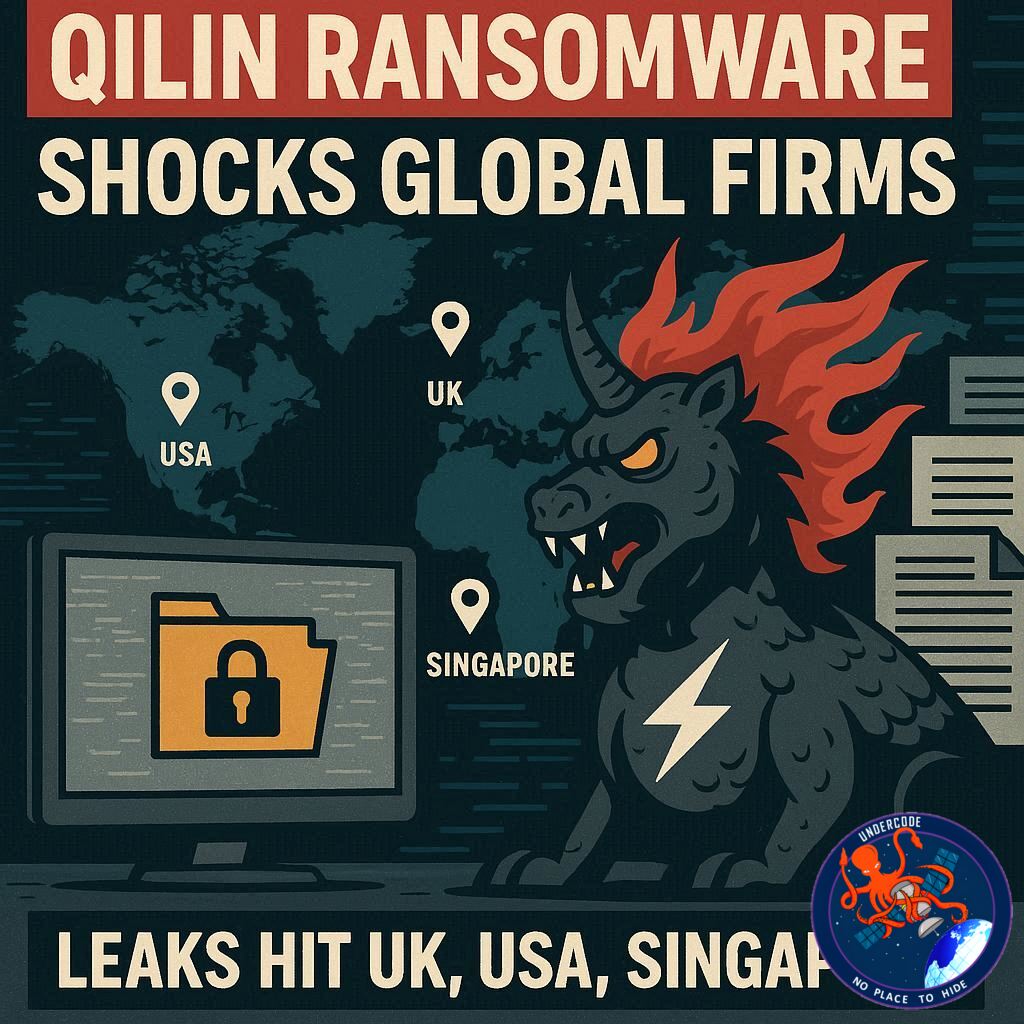
The cyber underworld has struck again. Reports suggest that the notorious Qilin ransomware group has allegedly leaked sensitive data belonging to companies across the UK, USA, and Singapore. Among the victims named are Flamgard Calidair, Master System Inc, Musim Mas Group, NPi Audio Visual Solutions, and Blytheco. This attack highlights the ever-growing reach of ransomware syndicates that thrive on exploiting global businesses, leaving behind massive financial, operational, and reputational damage.
the Reported Breach
The ransomware group Qilin, infamous for high-profile cyberattacks, has expanded its list of alleged victims by targeting multiple companies operating in different regions. Flamgard Calidair, a UK-based ventilation specialist, is now entangled in the breach. In the USA, Master System Inc and Blytheco were mentioned, while Singapore saw Musim Mas Group and NPi Audio Visual Solutions affected.
This cross-border strike underscores how cybercriminals exploit vulnerabilities in supply chains and digital infrastructures, often crippling businesses in industries ranging from manufacturing to IT solutions. The leaked data reportedly includes sensitive corporate files, client information, and potentially financial records.
The timing of the attack aligns with the broader surge in ransomware cases in 2025, where cyber gangs are using sophisticated malware and negotiation tactics. Qilin, in particular, has built a reputation on the dark web for leaking stolen data when victims fail to meet ransom demands. Such incidents emphasize the globalized nature of ransomware warfare—no longer limited to small-scale hacking but now a full-blown cybercrime industry.
Authorities in the UK, USA, and Singapore are expected to investigate the claims, but attribution in cyberspace remains complicated. Often, ransomware groups operate from jurisdictions where enforcement is weak or complicit. Meanwhile, businesses hit by Qilin face immediate threats of reputational loss, regulatory fines, and distrust among clients.
Industry experts suggest the damage could be severe, especially if proprietary technology or financial records have been exposed. Companies like Musim Mas Group, a major player in palm oil, could see trade partners pull back. IT service providers like NPi Audio Visual Solutions may lose contracts if customer data is compromised. Meanwhile, Blytheco and Master System Inc risk losing credibility in the US market.
This breach serves as a reminder that cyber resilience must be a top priority for firms globally. It also calls into question the adequacy of current cybersecurity policies, as well as the preparedness of organizations against evolving threats from ransomware syndicates.
What Undercode Say:
The Qilin ransomware leak is not just an isolated cyberattack; it is a reflection of a wider digital battlefield that businesses now face. From an analytical standpoint, ransomware has transitioned into a business model—a multi-billion-dollar criminal economy fueled by extortion and data leaks.
The inclusion of companies from three separate continents in one coordinated attack showcases how cyber gangs are targeting global value chains. This is not accidental—it’s strategic. By breaching interconnected organizations, attackers maximize disruption and ransom leverage. For example, a compromised supplier in Singapore can indirectly affect partners in Europe or America.
The fact that Flamgard Calidair, a manufacturer of fire safety and ventilation systems, was included in the attack highlights how industrial firms are no longer safe from ransomware threats. In the past, cybercriminals mostly focused on financial institutions or IT companies. Today, operational industries are prime targets because their downtime leads to massive losses.
Blytheco and Master System Inc, both based in the US, bring another layer of complexity. These firms provide technology solutions, making them appealing for cybercriminals who want not just financial gain but also access to their clients’ systems. If attackers infiltrated these networks deeply, the ripple effect could extend to hundreds of client organizations.
The involvement of Musim Mas Group, a Singaporean multinational in the agribusiness sector, reveals ransomware gangs’ growing interest in supply chain and commodity-based industries. Such companies are attractive because disruptions in their operations can influence trade and prices, indirectly adding pressure to pay ransom demands.
Analysts also argue that Qilin’s reputation thrives on fear marketing. By publicly leaking data, they send a warning to other potential victims: pay the ransom or risk global humiliation. This tactic has worked repeatedly, making Qilin a feared name in cybersecurity circles.
From a broader perspective, the case highlights gaps in international cyber law enforcement. While the UK, USA, and Singapore may cooperate in investigations, ransomware groups often hide in safe havens with little to no extradition agreements. This imbalance allows cyber gangs to operate with near impunity.
For businesses, the Qilin leak is a wake-up call to invest in proactive security measures such as zero-trust architecture, real-time threat detection, and stronger incident response strategies. Organizations can no longer assume they’re too small or irrelevant to be attacked—Qilin’s reach proves otherwise.
Cybersecurity is no longer optional—it’s an existential requirement for survival in the digital economy.
Fact Checker Results ✅❌
The breach has been reported by multiple dark web monitoring sources, but full verification by affected companies is pending.
Qilin ransomware has a documented history of leaking stolen corporate data when ransoms aren’t paid.
Official confirmation from Flamgard Calidair, Musim Mas Group, and others has not yet been publicly released.
Prediction 🔮
Given Qilin’s growing aggression, more multinational firms across manufacturing, IT, and supply chains are likely to be targeted in the coming months. Cybercriminals will increasingly focus on cross-border attacks, hitting companies from different regions simultaneously to create maximum disruption and leverage. Businesses that fail to upgrade cybersecurity defenses now risk being the next headline in ransomware warfare.
🕵️📝✔️Let’s dive deep and fact‑check.
References:
Reported By: x.com
Extra Source Hub:
https://www.reddit.com/r/AskReddit
Wikipedia
OpenAi & Undercode AI
Image Source:
Unsplash
Undercode AI DI v2
🔐JOIN OUR CYBER WORLD [ CVE News • HackMonitor • UndercodeNews ]
📢 Follow UndercodeNews & Stay Tuned:
𝕏 formerly Twitter 🐦 | @ Threads | 🔗 Linkedin | 🦋BlueSky | 🐘Mastodon


