
Listen to this Post
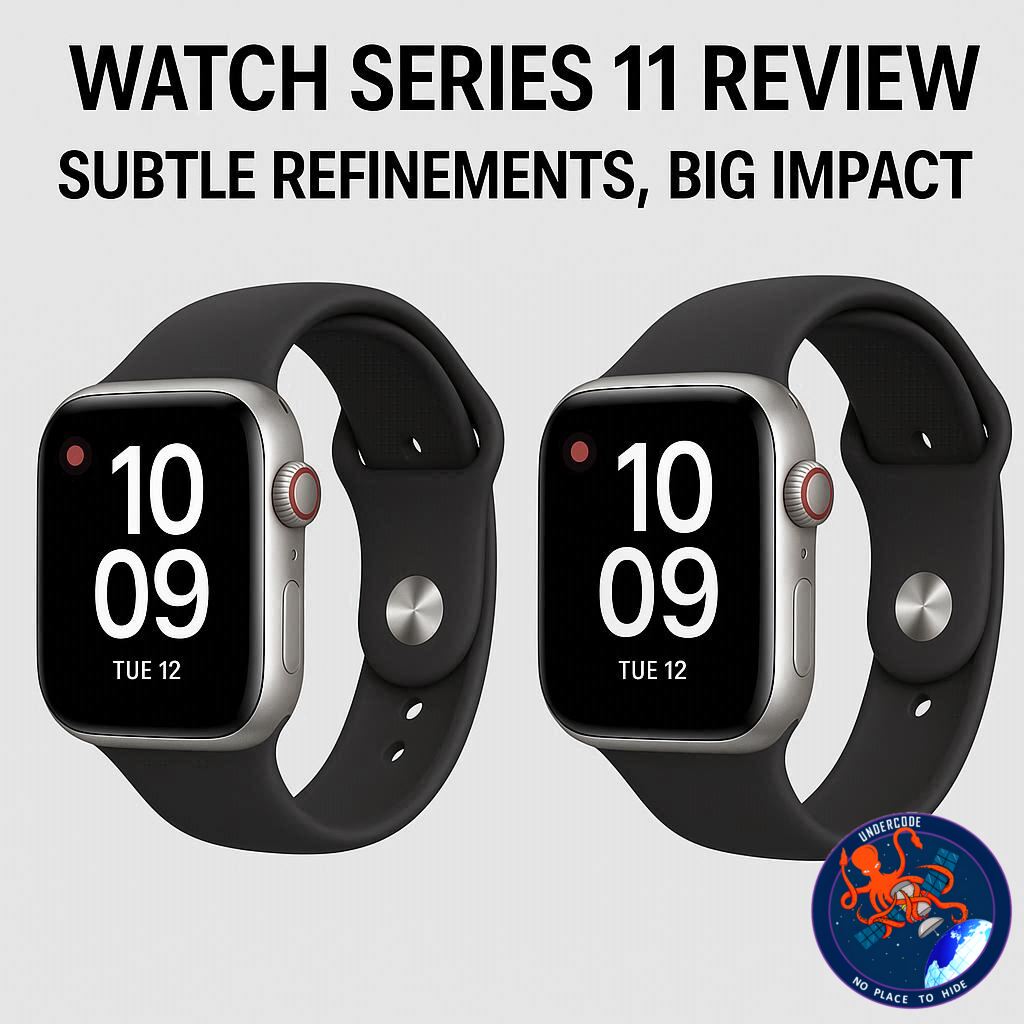
Apple’s highly anticipated Apple Watch Series 11 made its debut at the company’s “Awe Dropping” event on September 9. Positioned as a balance between performance and practicality, the Series 11 builds upon its predecessor with meaningful upgrades in health tracking, connectivity, and battery life—without overshadowing the premium Apple Watch Ultra.
With a starting price of \$565 (Rs 46,900), the Apple Watch Series 11 is clearly designed for everyday users who want smart functionality without excess. Let’s break down everything Apple has packed into its latest wearable, followed by my in-depth analysis.
the Apple Watch Series 11
The design philosophy of the Series 11 stays true to Apple’s signature style. The watch comes in aluminium and titanium cases available in 42mm and 46mm sizes. Color options include jet black, rose gold, silver, and the new space gray for aluminium, while titanium variants arrive in natural, gold, and slate finishes. For luxury buyers, the Hermès edition returns in silver titanium.
The band collection introduces fresh palettes—forest, neon yellow, anchor blue, purple fog, and more. The Nike Sport Band and Sport Loop also see updated shades, with reflective yarn enhancing visibility for outdoor workouts.
The display remains an always-on Retina panel but now reaches 2,000 nits of peak brightness. Apple’s ceramic coating improves crack and scratch resistance, ensuring durability. The two-button layout is unchanged, but refinements in materials make the watch lighter and more comfortable on the wrist.
Under the hood, the Series 11 is powered by the Apple S10 chipset and runs watchOS 26. For the first time, the watch includes 5G cellular support, complemented by a redesigned antenna for better coverage. Performance gains translate to faster downloads of music, podcasts, and apps.
Battery life has been improved, now delivering a full 24 hours on a single charge, with fast charging that provides 8 hours of use in just 15 minutes.
Gesture-based controls are more advanced. Alongside the existing double tap, Apple has added a one-handed wrist flick gesture to dismiss notifications, silence alarms, or stop timers seamlessly.
The health features are where the Series 11 shines. It offers sleep tracking with deeper insights, including a new sleep score system that evaluates metrics like heart rate, wrist temperature, blood oxygen, and respiratory rate. These insights guide users toward more restorative sleep.
Apple also debuts Workout Buddy, an AI-powered assistant that provides spoken motivation and personalized feedback during exercises. Siri now operates on-device, reducing reliance on cloud processing for logging health data, starting workouts, or asking quick questions.
Another notable addition is Live Translation in Messages, which allows cross-language communication directly from the wrist—expanding the watch’s role as a global companion.
In conclusion, the Apple Watch Series 11 may not break new design ground, but it refines essentials—health, battery, and connectivity—making it an appealing upgrade, particularly for users on Series 8 or older.
What Undercode Say:
Apple’s decision to play it safe with the Series 11 makes sense. The company isn’t chasing radical redesigns; instead, it’s building trust by strengthening core features. This strategy appeals to long-term Apple Watch users who value dependability over gimmicks.
From a design perspective, Apple shows discipline. Keeping the recognizable sleek look maintains brand consistency, while the lighter feel and scratch resistance improve usability in subtle ways. For consumers, this signals Apple’s understanding that comfort and durability often matter more than flashy aesthetics.
The 5G addition is a quiet revolution. While many may overlook it, this shift will transform the Apple Watch into a far more independent device, capable of handling tasks without leaning heavily on the iPhone. Faster downloads and broader coverage make the Series 11 more practical for travelers, athletes, and remote workers.
Battery life remains the Achilles’ heel of most smartwatches, but Apple’s 24-hour promise with rapid recharge is a strategic improvement. The 15-minute fast charge for 8 hours of use addresses one of the biggest complaints users had. This is crucial for those who rely on the watch for sleep tracking, as overnight charging often disrupted usage.
Health remains Apple’s battlefield. The sleep score system is more than a number—it represents Apple’s pivot toward actionable health coaching, not just passive tracking. Pairing this with Workout Buddy’s AI-driven coaching reveals a push into the personalized wellness market, challenging fitness wearables like Garmin and Whoop.
The inclusion of on-device Siri is also notable. It reduces latency, improves privacy, and ensures that basic features remain functional even in low-connectivity environments. Meanwhile, Live Translation aligns with Apple’s broader ambition of making its ecosystem universally accessible—a clever play in a globalized world.
Pricing remains contentious. At over \$560, the Series 11 isn’t cheap, especially when Android alternatives often deliver similar hardware at lower costs. However, Apple doesn’t compete on price—it competes on ecosystem integration. For those already invested in iPhone, AirPods, and Apple services, the Watch 11 becomes a natural extension.
Ultimately, the Series 11 is an incremental but meaningful upgrade. For Apple Watch Series 9 or 10 owners, the leap may not feel compelling. But for users on older models—or first-time smartwatch buyers in the Apple ecosystem—the Series 11 is a polished, future-ready option that balances performance, comfort, and health insights.
🔍 Fact Checker Results
✅ Apple did unveil the Series 11 on September 9, 2025.
✅ Pricing starts at Rs 46,900 (approx. $565).
✅ New features include 5G, faster charging, AI-driven workout coaching, and a new sleep score system.
📊 Prediction
Apple is laying the groundwork for AI-driven wearables. Within the next two years, expect the Apple Watch to evolve into a personal health assistant, capable of predicting health risks, offering preventive suggestions, and integrating deeper with medical platforms. The Series 11 is not the revolution—it’s the stepping stone toward a smarter, health-focused Apple Watch Ultra line in 2026–2027.
🕵️📝✔️Let’s dive deep and fact‑check.
References:
Reported By: timesofindia.indiatimes.com
Extra Source Hub:
https://www.quora.com
Wikipedia
OpenAi & Undercode AI
Image Source:
Unsplash
Undercode AI DI v2
🔐JOIN OUR CYBER WORLD [ CVE News • HackMonitor • UndercodeNews ]
📢 Follow UndercodeNews & Stay Tuned:
𝕏 formerly Twitter 🐦 | @ Threads | 🔗 Linkedin | 🦋BlueSky | 🐘Mastodon


