
Listen to this Post
Introduction
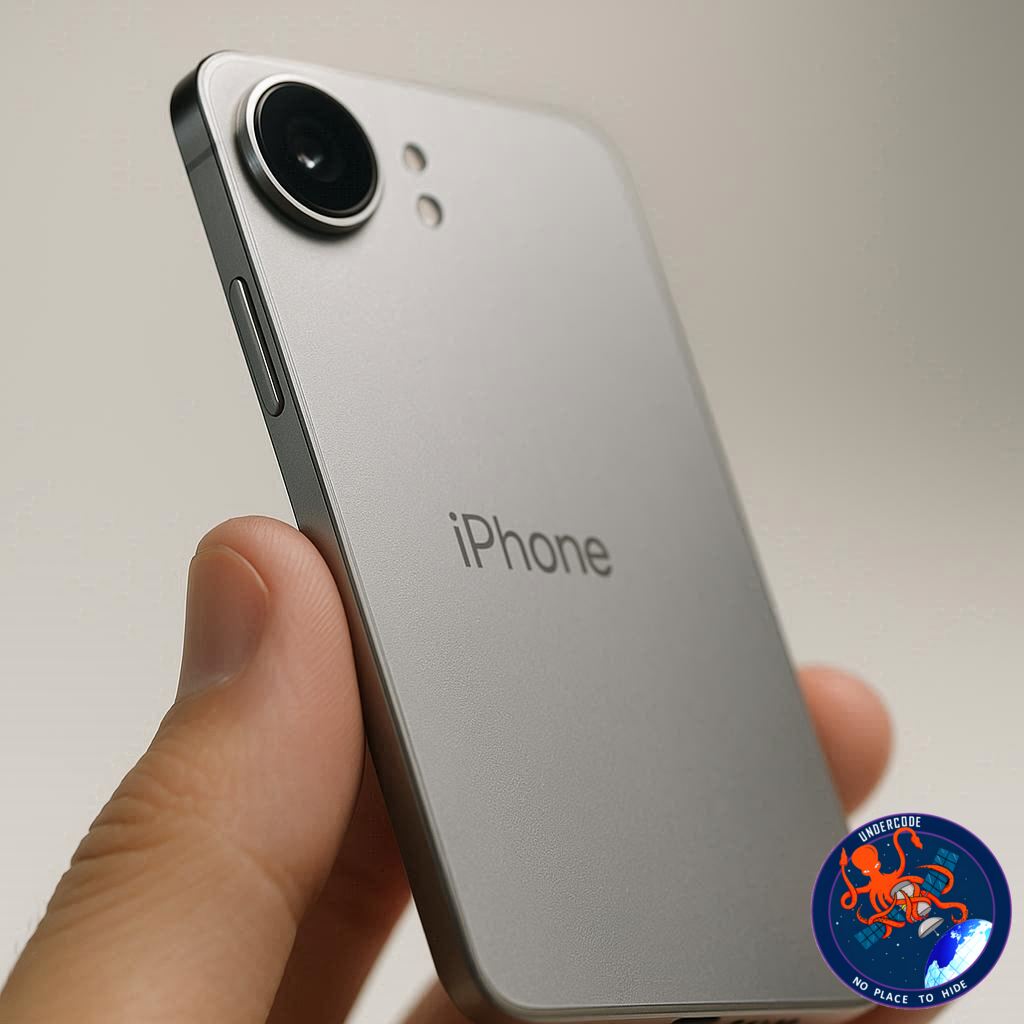
Apple has once again shaken the tech world with the unveiling of its new iPhone Air, the company’s thinnest smartphone yet. While the keynote highlighted its sleek design and futuristic appeal, many of the finer details went unnoticed by the general audience. Hidden across Apple’s official website are crucial insights into what makes this phone different—and in some ways, less powerful—than the flagship iPhone 17 Pro. This article breaks down everything you need to know, from performance tweaks and charging speeds to camera sacrifices and connectivity shifts.
The Hidden Details Behind iPhone Air
The iPhone Air may look like the iPhone 17 Pro’s lightweight sibling, but under the hood, there are subtle compromises and unique features worth understanding.
Binned A19 Pro Chip
Apple marketed the device as running on the same A19 Pro chip as the iPhone 17 Pro, but there’s a catch. The iPhone 17 Pro features a 6-core CPU and 6-core GPU, while the iPhone Air is limited to a 6-core CPU and 5-core GPU. Still, Apple has managed to make the chip slightly more efficient, with 12GB of memory compared to the 8GB on the standard A19.
Slower USB-C Port
Unlike the iPhone 17 Pro’s USB 3 speeds up to 10Gb/s, the iPhone Air sticks to USB 2 speeds. This downgrade will matter most to users who frequently transfer large files or use the phone for professional workflows. Interestingly, Apple’s design constraints have also caused the USB-C port to be slightly off-center—a quirk previously seen in the iPhone XR and 11.
Deeper Dynamic Island
The Dynamic Island on the iPhone Air dips further into the display compared to other models. This is due to Apple relocating critical internal components to maintain the device’s ultra-thin profile.
Mono Speaker
In a surprising move, Apple has limited the iPhone Air to a single speaker in the earpiece, with the bottom speaker grills functioning as microphones only. Users seeking stereo sound will need to rely on AirPods or external speakers.
Slower Wired Charging
While the iPhone 17 lineup can reach 50% charge in 20 minutes using a 40W adapter, the iPhone Air maxes out at 50% in 30 minutes with a slower 20W charger. MagSafe, however, remains consistent across models.
Connectivity Upgrades and Limits
The iPhone Air debuts Apple’s C1X modem and N1 networking chip, supporting Wi-Fi 7 and Bluetooth 6. However, it does not support mmWave 5G in the US, which may disappoint power users but won’t affect most buyers.
Camera Trade-Offs
Perhaps the biggest sacrifice comes in the camera department. The iPhone Air only carries a single rear camera, cutting out features such as:
Cinematic mode
Spatial video and photos
Macro photography and video
ProRAW, ProRes, and LOG recording
This makes the iPhone Air less appealing to creative professionals who rely on advanced camera tools.
What Undercode Say:
Apple’s iPhone Air appears to be a carefully engineered balance between style, affordability, and practicality, but it raises questions about the trade-offs Apple chose to make. From a market perspective, this model seems designed for users who value portability and design over raw power.
Analytically, this strategy mirrors Apple’s long-standing trend of segmenting its products into “aspirational tiers.” The iPhone Air is not meant to replace the iPhone 17 Pro—it exists as a bridge for those who want the look of the premium model without paying the full price. However, in doing so, Apple risks frustrating users who discover the limitations only after purchase.
The lack of stereo speakers, slower charging, and reduced GPU power might not matter to casual users who primarily scroll, text, and video call. But to gamers, videographers, and power users, these differences could feel like a deliberate push toward the more expensive Pro model.
Apple’s design-first approach is evident in the deeper Dynamic Island and single speaker choice—compromises made to achieve thinness. This signals that Apple believes customers will prioritize how the phone looks and feels in their hand over certain performance metrics.
From a connectivity standpoint, the addition of Wi-Fi 7 and Bluetooth 6 is future-proofing at its finest, while dropping mmWave 5G reflects real-world usage trends: very few people actually benefit from mmWave speeds due to limited availability.
The camera downgrade is perhaps the most polarizing decision. Apple has consistently marketed iPhones as the ultimate pocket camera, so a single-lens iPhone Air feels like a step backward. Yet, this aligns with the “Air” branding—minimalist, lighter, and streamlined.
Ultimately, the iPhone Air is not about being the most powerful iPhone—it’s about being the most elegant. Apple is betting on customers who want the thinnest, most stylish iPhone ever made, even if that means sacrificing some features. This positioning could open a new segment of users who were previously hesitant to buy the bulkier Pro models.
✅ Fact Checker Results
The iPhone Air indeed uses a binned A19 Pro chip with a weaker GPU.
Camera compromises are real, with only one rear lens confirmed.
Slower wired charging and USB 2 speeds are officially listed by Apple.
🔮 Prediction
Apple’s iPhone Air is likely to become a lifestyle-driven best-seller, attracting users who prioritize thinness and aesthetics over pro-grade performance. However, as technology advances, Apple may reintroduce some of the missing features in future Air models to satisfy users who want beauty and power in one package.
🕵️📝✔️Let’s dive deep and fact‑check.
References:
Reported By: 9to5mac.com
Extra Source Hub:
https://www.facebook.com
Wikipedia
OpenAi & Undercode AI
Image Source:
Unsplash
Undercode AI DI v2
🔐JOIN OUR CYBER WORLD [ CVE News • HackMonitor • UndercodeNews ]
📢 Follow UndercodeNews & Stay Tuned:
𝕏 formerly Twitter 🐦 | @ Threads | 🔗 Linkedin | 🦋BlueSky | 🐘Mastodon


