
Listen to this Post
Introduction
In today’s competitive business world, leadership is no longer defined only by strategic vision or financial performance. True leadership is increasingly measured by how well leaders listen to employees, customers, and partners. Studies from Harvard Business Review show that employees who feel genuinely heard report higher levels of job satisfaction and engagement. This is not just about empathy—it’s a proven driver of better performance, trust, and innovation.
The following article explores five strategies top executives use to reshape workplace culture, build stronger relationships, and foster inclusive environments—by making listening their leadership superpower.
the Original
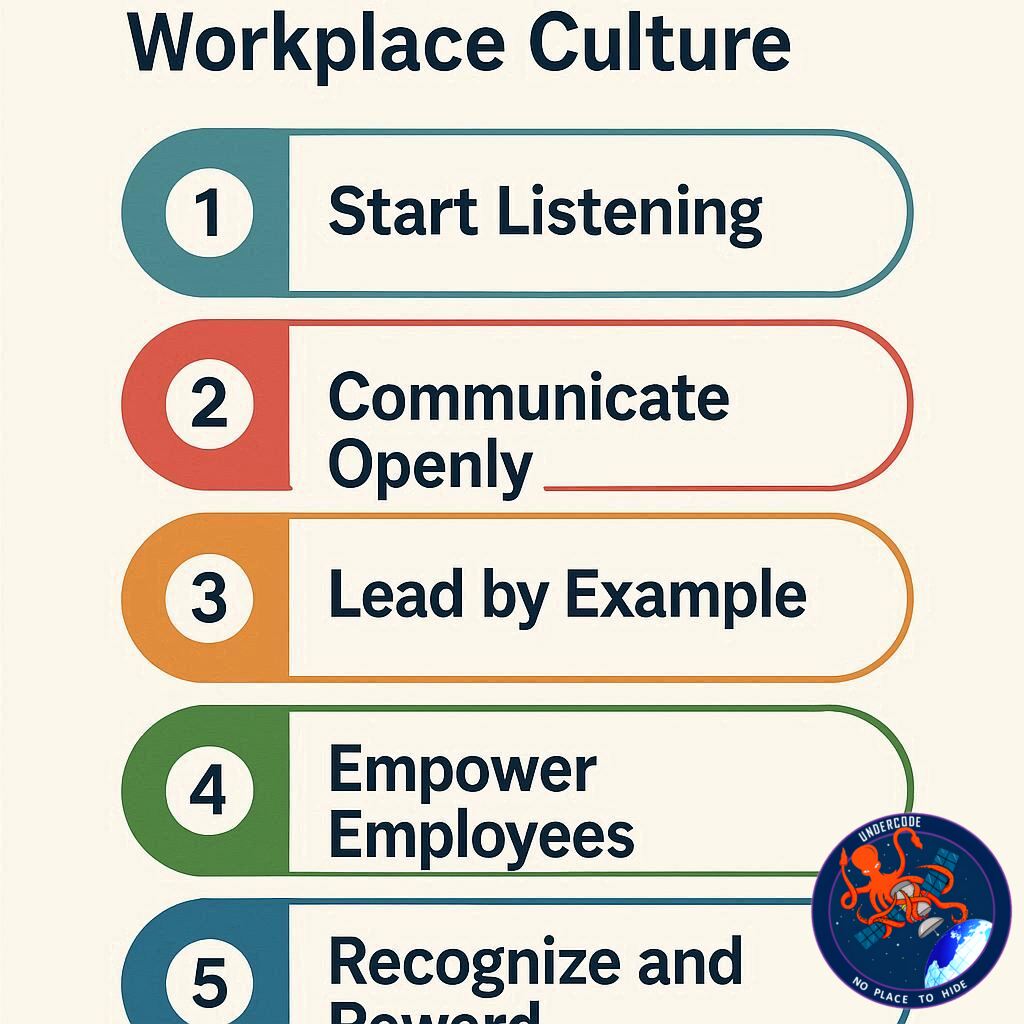
Great leaders don’t just talk—they listen. Listening builds trust, encourages innovation, and helps align organizational goals with employee and customer needs. Harvard Business Review emphasizes that leaders who practice deep listening create cultures where people feel respected and engaged.
1. Practice Active Listening
Tim Chilton from Ordnance Survey stresses that active listening involves letting people speak, playing back their input, and verifying understanding. He highlights that success comes from slowing down, building relationships, and avoiding rushing into solutions without hearing others first.
2. Act with Humility
Antony Hausdoerfer of The AA underscores humility in leadership. Leaders should acknowledge they don’t have all the answers and rely on their teams for insights. Humility opens the door to fresh ideas, fosters inclusivity, and encourages innovation.
3. Avoid Busy Forums
Rom Kosla of Hewlett Packard Enterprise advises against overcrowded meetings that dilute meaningful conversations. Instead, he favors one-on-one interactions, which provide clarity and direction. Regular check-ins with teams and senior leaders ensure alignment and prevent misunderstandings.
4. Adapt Your Style
Bev White of Nash Squared explains that leadership requires knowing when to listen and when to speak. Transparency builds trust, and trust makes people more likely to share honest opinions. Leaders should also adapt communication styles to fit diverse and multigenerational workplaces.
5. Reach Out to Customers
Manish Jethwa of Ordnance Survey emphasizes listening not only to employees but also to customers and partners. By embedding customer feedback into processes, organizations can align better with market needs. Even when dealing with intermediaries, leaders should ensure that end-customer insights flow back into the company.
In summary, successful leaders balance humility, adaptability, and empathy while actively creating spaces where employees and customers feel valued. This kind of listening-first culture fuels growth, loyalty, and innovation.
What Undercode Say:
Listening is often underrated in leadership, but it might just be the most powerful skill in the modern workplace. While strategic thinking and decision-making grab headlines, listening is what keeps companies grounded, agile, and truly connected to their people. Let’s break down why these five approaches matter and how they can transform workplaces today.
1. Active Listening as a Trust Builder
Too many leaders assume communication is about speaking with authority, but employees don’t want constant speeches—they want acknowledgment. Active listening is not just nodding but replaying what you’ve heard to validate perspectives. When employees feel recognized, they become more engaged, which directly reduces turnover and burnout.
2. Humility is the New Leadership Currency
Gone are the days of the all-knowing CEO. In today’s knowledge-driven economy, expertise is often distributed across teams. Leaders who admit they don’t have all the answers are not weak—they’re wise. Humility empowers teams to innovate without fear, creating cultures where breakthrough ideas flourish.
3. The Power of One-on-One Connections
Large meetings are often political, with only the loudest voices heard. One-on-ones level the playing field, giving quieter or more thoughtful employees space to share insights. These interactions humanize leadership, bridging the gap between executive vision and employee reality.
4. Adaptive Leadership for a Multigenerational Workforce
The workplace is now a blend of Baby Boomers, Gen X, Millennials, and Gen Z. Each group has distinct communication preferences. Leaders who adapt their style—whether it’s transparent memos, open discussions, or casual digital check-ins—earn trust across generations. Adaptability is no longer optional; it’s essential.
5. Customers as Cultural Drivers
Many leaders focus only on internal culture, forgetting that customers shape it too. When employees hear real customer stories—positive or critical—it connects their daily tasks to meaningful outcomes. It transforms abstract “business goals” into real-world impact. This external listening loop energizes teams and keeps organizations relevant.
6. Listening as a Competitive Advantage
Listening isn’t just good HR—it’s good business. Studies repeatedly show that engaged employees drive higher profitability. Listening-based leadership boosts retention, productivity, and innovation, which ultimately strengthens a company’s bottom line.
7. The Risk of Ignoring Voices
On the flip side, failure to listen often leads to disengagement, silent resentment, or costly mistakes. Employees who feel ignored will either quit quietly (quiet quitting) or leave altogether, taking their talent and institutional knowledge with them.
8. Culture Change is a Long Game
Listening must be consistent, not performative. If employees feel leaders “pretend” to listen without real follow-through, trust erodes quickly. Genuine listening requires leaders to act on feedback and communicate openly about decisions—even when the answer is no.
In essence, the future belongs to leaders who can balance decisiveness with attentiveness. Listening is not passive—it’s an active, strategic tool that can make or break workplace culture.
🔍 Fact Checker Results
✅ Harvard Business Review does link effective listening to higher job satisfaction.
✅ Executives from Ordnance Survey, The AA, HPE, and Nash Squared are accurately cited with their leadership insights.
❌ No evidence that all leaders naturally adopt these practices; implementation varies widely across industries.
📊 Prediction
In the next five years, listening-based leadership will become a central differentiator in attracting and retaining talent. Companies that fail to embed authentic listening into their culture will face higher turnover, weaker innovation pipelines, and declining customer trust. Meanwhile, organizations that practice these five strategies consistently will not only build stronger workplace cultures but also achieve measurable business growth.
🕵️📝✔️Let’s dive deep and fact‑check.
References:
Reported By: www.zdnet.com
Extra Source Hub:
https://www.stackexchange.com
Wikipedia
OpenAi & Undercode AI
Image Source:
Unsplash
Undercode AI DI v2
🔐JOIN OUR CYBER WORLD [ CVE News • HackMonitor • UndercodeNews ]
📢 Follow UndercodeNews & Stay Tuned:
𝕏 formerly Twitter 🐦 | @ Threads | 🔗 Linkedin | 🦋BlueSky | 🐘Mastodon


