
Listen to this Post
Introduction: The Evolution of GitHub Actions
GitHub Actions has quickly become one of the most powerful tools for developers, offering automation, CI/CD pipelines, and seamless integration into repositories. Recently, GitHub has rolled out a series of exciting updates that not only improve workflow efficiency but also expand flexibility for organizations. These enhancements — including YAML anchors, private workflow templates, and job identification improvements — mark a huge step toward making GitHub Actions more developer-friendly and future-proof.
Major Updates in GitHub Actions
YAML Anchors: Reusability at Its Best
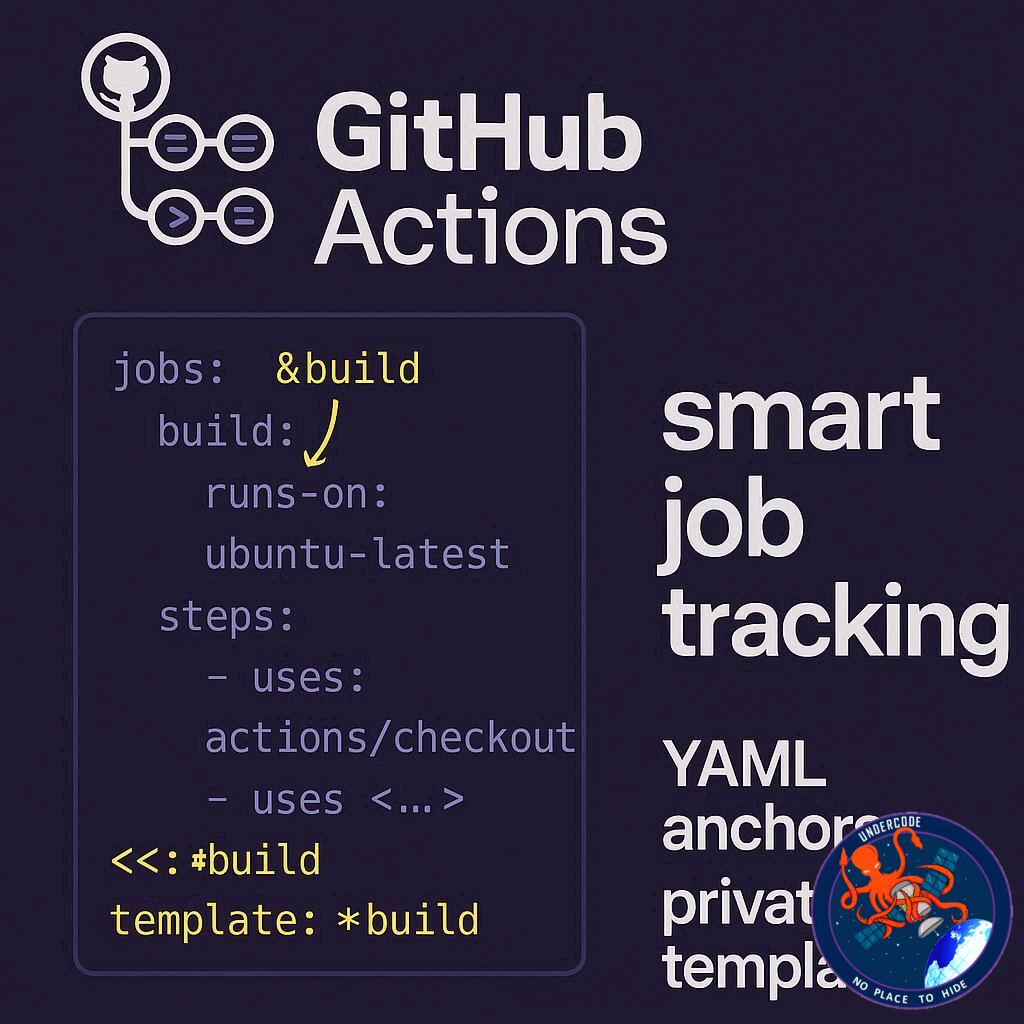
One of the most requested features from the GitHub community has finally arrived: YAML anchors. With YAML anchors, developers can now reuse workflow configurations across projects, reducing repetition and ensuring consistency. This aligns GitHub Actions more closely with YAML specifications, making workflow files cleaner and easier to maintain.
Private Workflow Templates for Organizations
Previously, workflow templates had to live in a public .github repository. But now, GitHub supports workflow templates from private and internal .github repositories. This means:
Internal repositories can use templates from internal or private .github repos.
Private repositories can use templates only from private .github repos.
Other GitHub products still require public .github repositories, but for Actions, this change enhances privacy and organizational efficiency.
Job Identification with `check_run_id`
GitHub Actions now supports check_run_id in job contexts, allowing developers to uniquely identify a running job. This improves reporting, artifact uploads, and notification systems by tying actions directly to a specific job. It’s a small but powerful update that streamlines monitoring and debugging.
What Undercode Say: 🔍 In-Depth Analysis
Simplifying Workflows with YAML Anchors
The introduction of YAML anchors is a game-changer. Developers often struggle with repetitive code in workflow files. Anchors solve this by creating reusable patterns, saving time and reducing human errors. For large-scale projects, this significantly cuts down maintenance costs.
Security Meets Efficiency with Private Templates
Organizations have long requested private workflow templates due to security concerns. Now, teams can share best practices internally without exposing them publicly. This ensures sensitive CI/CD configurations remain confidential while still promoting collaboration. It’s especially crucial for enterprises handling proprietary code.
The Role of `check_run_id` in Smarter Monitoring
Before this update, tracking specific jobs in GitHub Actions required extra manual handling. Now, with check_run_id, automation tools and notification systems can instantly recognize and act on job statuses. This is particularly useful for automated QA, deployment validations, and third-party integrations like Slack or Jira.
Competitive Advantage for GitHub
These updates push GitHub Actions further ahead of competitors like GitLab CI and Jenkins. By making workflows more modular, secure, and trackable, GitHub cements itself as the go-to automation hub for modern development teams.
Real-World Impacts for Developers
Startups can now build cleaner pipelines without bloated YAML files.
Enterprises gain secure internal collaboration tools.
Open-source contributors enjoy streamlined workflows while adhering to YAML standards.
Long-Term Implications
These features signal GitHub’s direction: making automation smarter, reusable, and secure. Expect further integrations, AI-driven workflow suggestions, and tighter cross-product compatibility in the near future.
✅ Fact Checker Results
YAML anchors are officially supported in GitHub Actions.
Private `.github` repositories now support workflow templates.
`check_run_id` is fully available in job contexts.
🔮 Prediction
GitHub Actions will soon integrate AI-powered workflow generation, allowing developers to auto-generate pipelines based on project structure. Future updates may also expand private template functionality to other GitHub services, creating a unified, intelligent automation ecosystem.
🕵️📝✔️Let’s dive deep and fact‑check.
References:
Reported By: github.blog
Extra Source Hub:
https://www.medium.com
Wikipedia
OpenAi & Undercode AI
Image Source:
Unsplash
Undercode AI DI v2
🔐JOIN OUR CYBER WORLD [ CVE News • HackMonitor • UndercodeNews ]
📢 Follow UndercodeNews & Stay Tuned:
𝕏 formerly Twitter 🐦 | @ Threads | 🔗 Linkedin | 🦋BlueSky | 🐘Mastodon


