
Listen to this Post
Rising Threat of Spoofed Websites
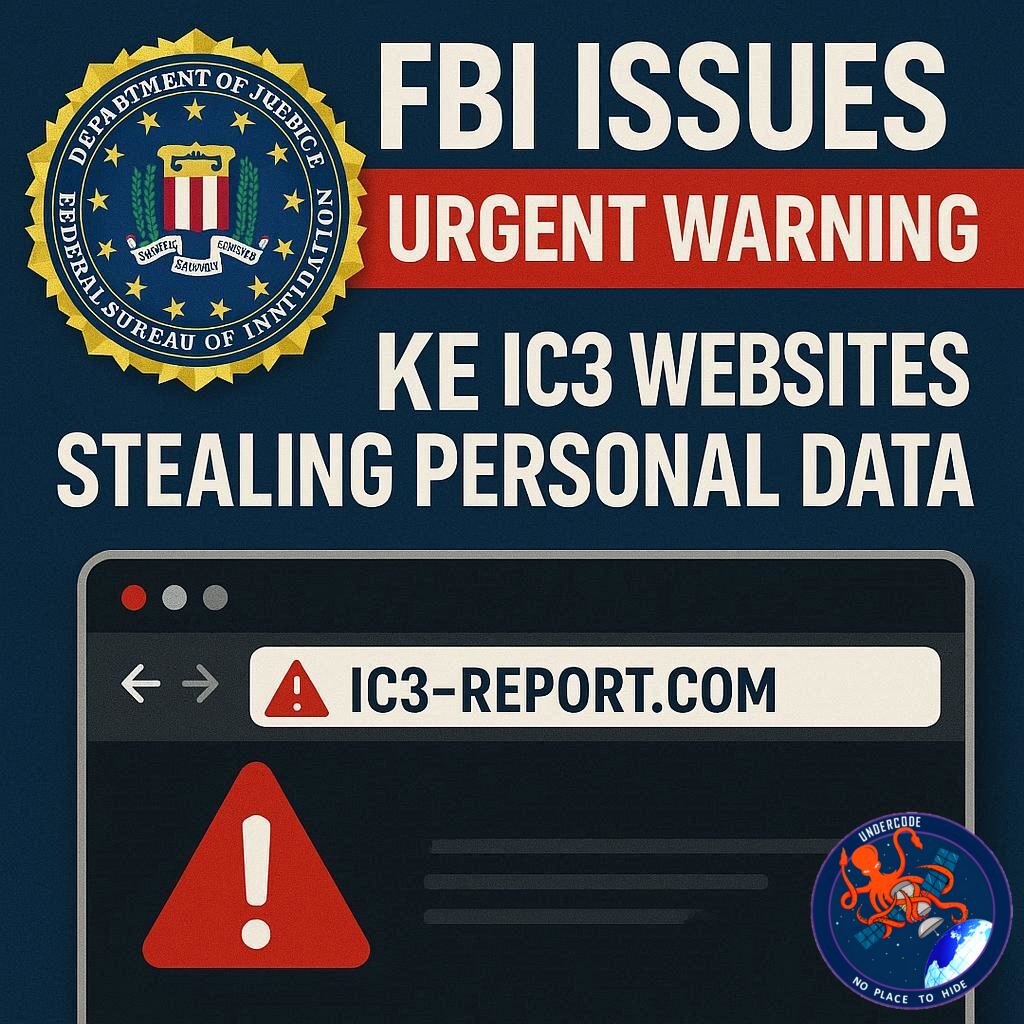
Cybercriminals have stepped up their tactics by creating fake versions of the FBI’s official Internet Crime Complaint Center (IC3) website. The FBI has warned that these malicious sites are designed to steal personal information from unsuspecting victims who believe they are reporting online crimes. Instead of submitting a complaint, users end up handing over sensitive data directly to fraudsters.
How the Fake Sites Operate
The attackers use a technique known as “typosquatting,” where fake websites are set up with slight variations of the real IC3 domain. For example, a missing letter, an added character, or a switch to a different top-level domain (.com instead of .gov) can make the site appear authentic at first glance. These subtle differences trick people into trusting the site and entering personal details.
Information at Risk
According to the FBI, the fraudulent sites collect names, home addresses, phone numbers, emails, and even banking details. This information can then be exploited for identity theft, financial fraud, and other cybercrimes. Victims are particularly vulnerable because they believe they are contacting a government agency, making them less likely to question the legitimacy of the request.
Why the IC3 Matters
The Internet Crime Complaint Center (IC3) is not just another website. It is a key partnership between the FBI and the National White Collar Crime Center (NW3C), serving as the main reporting platform for cybercrime in the United States. Millions of internet-related fraud cases are reported through IC3 every year, making it a critical tool in the fight against cybercriminal activity.
FBI’s Security Guidelines
To help the public avoid falling for these traps, the FBI has issued clear safety instructions. Users should always type www.ic3.gov directly into their browser instead of relying on search engines. Search engine results, particularly sponsored links, are a common way criminals push fake sites to the top of the page. The FBI also reminds users that the official site ends in .gov, not .com, .org, or any other extension.
Red Flags to Watch For
The FBI warns the public to be cautious of suspicious websites that ask for unusual details, request payments, or claim to partner with private companies for “fund recovery services.” IC3 does not charge fees, does not have social media accounts, and does not outsource victim recovery services. Any site suggesting otherwise should immediately be considered fraudulent.
Reporting Fraudulent Sites
Victims who encounter spoofed IC3 websites are encouraged to report the incident directly to the FBI. Reports can be filed through www.ic3.gov or by contacting a local FBI field office. The bureau stresses that reporting these crimes is vital in tracking down the cybercriminals behind them and in preventing further victims.
What Undercode Say:
Understanding the Attack Method
Spoofing is not a new trick, but its use against the FBI’s official reporting platform shows just how far cybercriminals are willing to go. By targeting the IC3 website itself, attackers aim at individuals who are already victims of cybercrime or those trying to do the right thing by reporting fraud. This creates a cruel cycle where victims are defrauded twice—once by criminals and again when trying to report it.
Exploiting Public Trust
The most disturbing element of this scheme is how it exploits trust in a government platform. Citizens naturally expect a government site to be secure, so they are less vigilant when entering personal data. This psychological manipulation makes spoofing campaigns particularly dangerous.
Technical Manipulation of Domains
Cybercriminals rely heavily on domain manipulation techniques like typosquatting, homoglyph attacks (swapping letters with similar-looking ones), and fake SSL certificates to make sites appear authentic. These techniques can fool even tech-savvy users if they are not paying close attention.
The Role of Search Engines
Another major weakness lies in how search engines rank and promote content. Criminals use paid ads to place fake sites at the very top of search results. A user in a hurry might click the first result, assuming it is legitimate, without double-checking the URL. This loophole highlights the need for stricter ad verification by search engines.
The Cost of Stolen Data
Once stolen, personal data becomes a commodity in underground markets. Banking details are sold for quick cash, while emails and phone numbers are used for phishing campaigns. Identity theft cases often stem from exactly this type of information harvesting. For victims, the consequences can last for years, ranging from financial loss to damaged credit scores.
Broader Implications for Cybersecurity
This attack highlights the fragility of digital trust systems. If citizens lose confidence in government reporting platforms, they may stop reporting cybercrimes altogether. That creates a dangerous blind spot for law enforcement, allowing criminals to operate with less fear of being tracked.
Prevention as the Only Weapon
The FBI’s advice—typing the URL manually and verifying the .gov extension—may sound basic, but it remains the most effective protection against spoofed sites. Cyber hygiene at the individual level is the frontline defense against these schemes. Organizations, too, must step up public awareness campaigns to prevent people from falling victim.
Why This Matters Globally
Though the warning comes from the FBI, spoofing is not limited to the U.S. Governments worldwide face similar attacks, particularly in countries where official portals handle taxes, healthcare, or law enforcement reporting. The lesson here is universal: no online service, no matter how official, is immune to impersonation.
What Needs to Change
Moving forward, law enforcement agencies may need to push for stronger protections, such as browser-based alerts for spoofed domains, better takedown mechanisms, and closer collaboration with search engines. Public trust in digital platforms cannot be left vulnerable to such simple tricks.
Fact Checker Results
✅ The FBI has confirmed the spoofing warning via a Public Service Announcement.
❌ IC3 never requests payments or social media engagement, so any site doing so is fraudulent.
✅ Typing www.ic3.gov directly is the safest way to access the real complaint center.
Prediction
With phishing and spoofing attacks on the rise, fake law enforcement and government portals will likely increase in frequency. Criminals will continue refining these schemes using AI-generated domains and fake certificates. Unless awareness and technical safeguards improve, the number of victims tricked into revealing sensitive data through spoofed sites will grow dramatically in the coming years.
🕵️📝✔️Let’s dive deep and fact‑check.
References:
Reported By: securityaffairs.com
Extra Source Hub:
https://www.twitter.com
Wikipedia
OpenAi & Undercode AI
Image Source:
Unsplash
Undercode AI DI v2
🔐JOIN OUR CYBER WORLD [ CVE News • HackMonitor • UndercodeNews ]
📢 Follow UndercodeNews & Stay Tuned:
𝕏 formerly Twitter 🐦 | @ Threads | 🔗 Linkedin | 🦋BlueSky | 🐘Mastodon


