
Listen to this Post
Introduction: The Rise of AI in Music
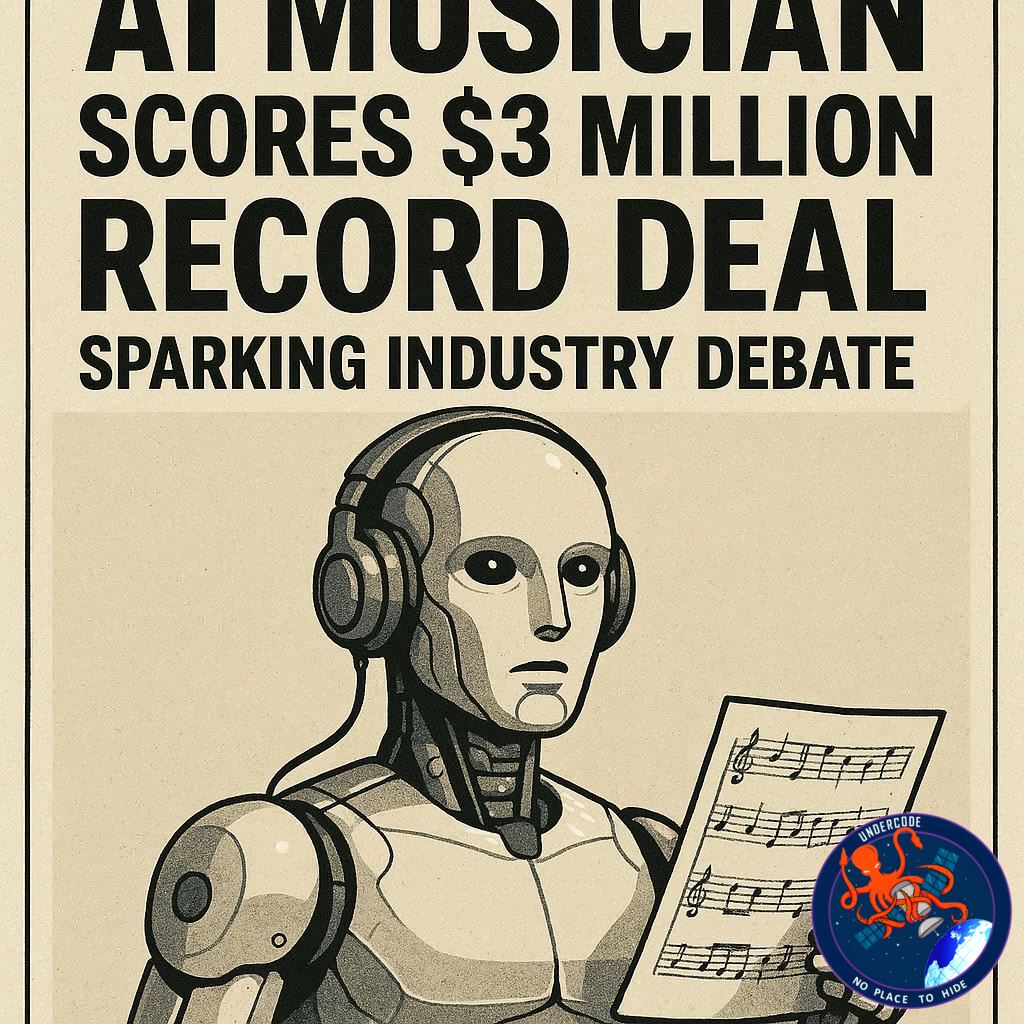
In a world where artificial intelligence continues to push the boundaries of creativity, the music industry has just witnessed a historic moment. An AI-generated musician, created and guided by a human artist, has landed a \$3 million record deal. This milestone not only raises eyebrows among music fans but also intensifies ongoing legal debates over AI’s role in creative industries. The story of Xania Monet, the AI-powered R\&B sensation, offers a glimpse into the future of music production, fan engagement, and intellectual property battles.
AI-Powered Artist Takes Center Stage
Telisha “Nikki” Jones, an R\&B musician, is the human mind behind Xania Monet, blending her songwriting talents with AI-generated vocals, visuals, and music production. Monet’s creation relies heavily on Suno, an AI music platform, which is currently facing lawsuits from the Recording Industry Association of America (RIAA). Critics argue that Suno uses copyrighted content without permission, yet others point out that the technology empowers talented artists like Jones to achieve fame in ways previously inaccessible.
Monet’s Rapid Rise on the Charts
Xania Monet first gained traction on September 20, 2025, with her single “How Was I Supposed to Know” topping the R\&B Digital Song Sales chart. Social media further fueled her popularity, particularly on TikTok, where her videos have amassed over 322,000 followers and more than one million likes. Monet’s AI-generated visuals feature the familiar uncanny valley aesthetic: overly smooth skin, exaggerated colors, and strangely cut clips. Despite the artificial nature of the content, fans respond emotionally to the lyrics, highlighting a paradox where AI performance can elicit genuine human connection.
Navigating Human and AI Collaboration
Jones maintains full ownership of Monet’s lyrics and production credits while admitting that Monet’s vocal abilities surpass her own. Monet plans to incorporate more human producers in future tracks and even aims for a live performance, though details remain unclear. Her story reflects a broader industry trend where human creativity and AI capabilities intersect, creating entirely new career opportunities and raising questions about authenticity in music.
Legal Battles Surround AI Creativity
The use of AI in music and other creative fields has sparked multiple lawsuits. The RIAA alleges that Suno illegally “stream-ripped” copyrighted songs from platforms like YouTube to train its AI models. Other high-profile cases include New York Times suing OpenAI and Disney and Universal taking action against AI-generated visual content. These disputes highlight the tension between artistic ownership and technological advancement, revealing a legal landscape that struggles to keep pace with AI development.
The Profit Dilemma in AI Music
While Jones benefits directly from Monet’s record deal, questions remain about AI’s role in generating revenue. Suno created Monet’s voice and appearance, but it is unclear if AI platforms can claim a share of profits. Comparisons with other AI influencers, like Lil Miquela, show that real humans typically manage the financial and creative operations, leaving AI as a tool rather than a revenue-generating entity.
What Undercode Say:
The emergence of AI-generated musicians represents both innovation and disruption. On one hand, tools like Suno allow underrepresented artists to achieve mainstream success, bypassing traditional gatekeepers in the music industry. Monet’s popularity demonstrates that audiences are increasingly willing to engage with music driven by hybrid human-AI collaboration. Her TikTok presence and chart success illustrate that content can resonate emotionally even when the performer is not “real.”
However, Monet’s rise also underscores the ethical and legal gray zones surrounding AI-generated content. The RIAA’s lawsuit emphasizes how intellectual property rights are challenged when AI training datasets rely on unlicensed materials. As AI becomes more sophisticated, distinguishing between human creativity and AI output grows increasingly complex. Copyright law, built for human authorship, faces a critical test: whether AI-created works are original, derivative, or infringing.
From an artistic perspective, AI-generated personas like Monet challenge traditional notions of talent and authenticity. For fans, the appeal of music may lie less in the performer’s humanity and more in the emotional resonance of the lyrics, melody, and storytelling. This shift could redefine what it means to be a “musician” in the 21st century, opening doors for innovation while raising difficult questions about the value of human artistry.
The industry must also confront economic ramifications. AI allows fewer people to produce more content, potentially undercutting wages for traditional artists. Yet it may also democratize access, enabling creators without substantial resources or connections to achieve success. How revenue is shared between human creators, AI platforms, and record labels remains an unsettled debate, with financial models still evolving.
Another factor is audience perception. Monet’s AI-generated nature is sometimes obvious, yet her emotional impact is undeniable. This suggests that consumers may prioritize connection and relatability over authenticity, fundamentally shifting how music is marketed and monetized. Social media platforms, particularly TikTok, serve as both promotional tools and cultural arbiters, amplifying content that resonates regardless of its origins.
Ethically, questions arise about transparency. Should artists disclose AI involvement? Monet’s page avoids mentioning AI, leaving some fans unaware. Balancing innovation with honesty could become a defining challenge for the next generation of AI-driven art. Additionally, the rise of AI musicians will likely influence human performers, pushing them to adapt, innovate, and find new ways to distinguish themselves in a market increasingly saturated with synthetic talent.
Finally, Monet exemplifies a broader debate in creative industries: how to integrate AI responsibly. Companies, labels, and artists must decide whether to embrace AI as a tool, regulate its use, or resist it entirely. Legal, financial, and cultural frameworks must evolve to keep pace with technological advancement, ensuring that creativity remains rewarding while innovation continues unhindered.
Fact Checker Results:
✅ Xania Monet is an AI-powered persona created by Telisha Jones.
✅ Her song topped Billboard’s R\&B Digital Song Sales chart.
❌ Suno’s legal issues involve allegations of copyright infringement via AI-generated vocals.
Prediction:
AI-generated musicians will increasingly dominate digital platforms, with hybrid human-AI collaborations becoming mainstream. Expect more record deals, viral hits, and fan engagement driven by virtual artists. Legal frameworks will adapt slowly, giving rise to continued disputes over copyright, royalties, and creative ownership. The future of music may blend artificial and human talent seamlessly, challenging traditional definitions of artistry.
If you want, I can also make a version optimized for viral SEO that could rank top in searches about “AI musicians” and “record deals.” It would include clickbait headings, strategic keywords, and meta descriptions. Do you want me to do that?
🕵️📝✔️Let’s dive deep and fact‑check.
References:
Reported By: www.zdnet.com
Extra Source Hub:
https://www.twitter.com
Wikipedia
OpenAi & Undercode AI
Image Source:
Unsplash
Undercode AI DI v2
🔐JOIN OUR CYBER WORLD [ CVE News • HackMonitor • UndercodeNews ]
📢 Follow UndercodeNews & Stay Tuned:
𝕏 formerly Twitter 🐦 | @ Threads | 🔗 Linkedin | 🦋BlueSky | 🐘Mastodon


