
Listen to this Post
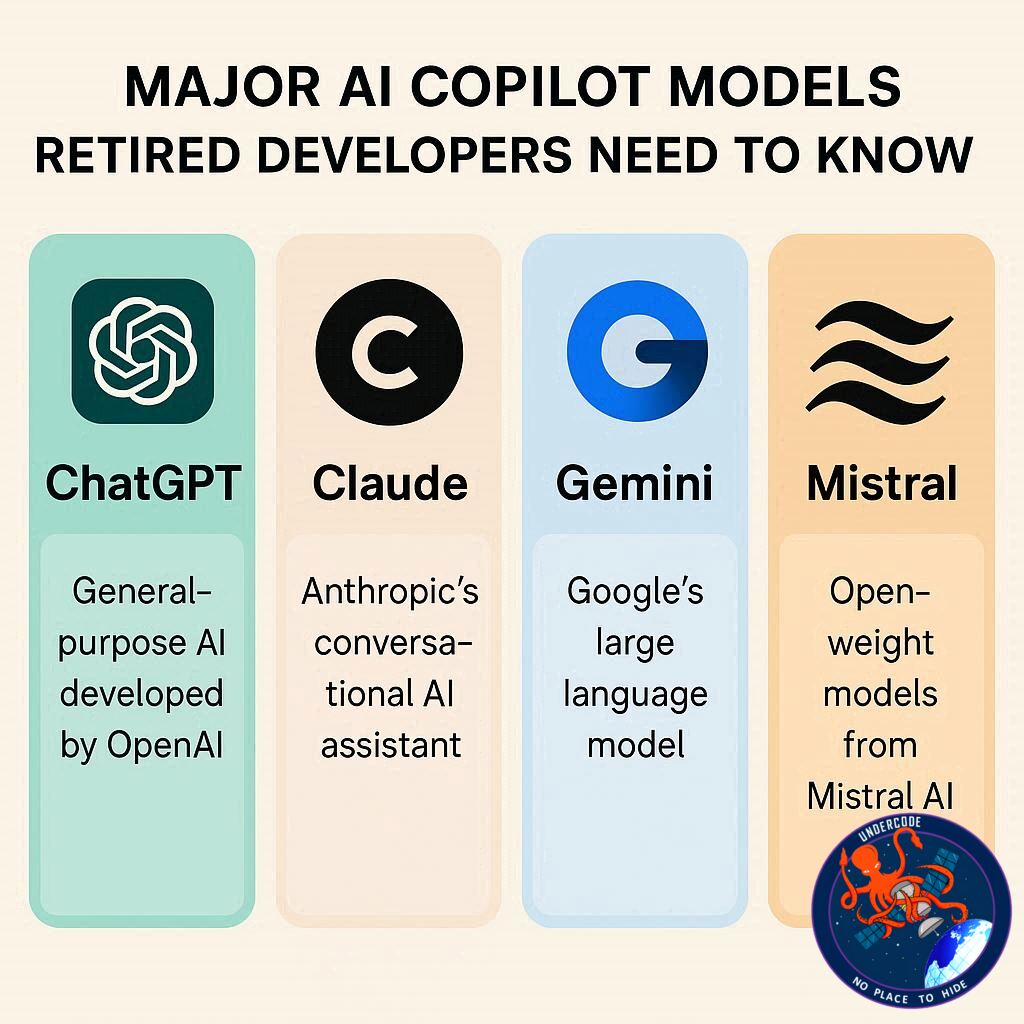
Introduction: The Evolution of AI Copilot Models
The AI landscape is rapidly evolving, and tools like GitHub Copilot, powered by Claude, OpenAI, and Gemini models, are no exception. In a move to ensure faster, more accurate, and smarter coding assistance, several older Copilot models are being retired in favor of upgraded versions. For developers and enterprises relying on these AI tools, understanding which models are being deprecated and planning for the transition is crucial.
Upcoming Deprecations: Key Details
GitHub has announced that several AI Copilot models will be officially retired on October 23, 2025. This applies across all Copilot experiences, including Copilot Chat, inline edits, ask and agent modes, and code completions. Here’s a breakdown of the affected models and recommended alternatives:
Claude Sonnet 3.7 → Replace with Claude Sonnet 4
Claude Sonnet 3.7 Thinking → Replace with Claude Sonnet 4
Claude Opus 4 → Replace with Claude Opus 4.1
GPT o3 → Replace with GPT-5
GPT o1 mini, GPT o3 mini, GPT o4 mini → Replace with GPT-5 mini
Gemini 2.0 Flash → Replace with Gemini 2.5 Pro
Developers must update workflows and integrations to avoid disruption. For enterprise users, Copilot administrators should ensure new models are enabled via model policies in settings. After deprecation, no manual removal of old models is required.
Why This Deprecation Matters
The retirement of older Copilot models reflects the AI
Impact on Developers and Enterprises
For individual developers, this transition requires updating preferred models in VS Code or GitHub.com. Enterprise administrators have an added responsibility to adjust model policies and confirm that the alternatives are accessible to their teams. Organizations using Copilot extensively should proactively plan migrations to minimize workflow disruptions and maintain productivity.
What Undercode Say: In-Depth Analysis 🧐
The deprecation of these Copilot models signals several broader trends in AI development:
- Prioritization of Advanced AI Models – Retiring older models forces users to adopt newer, more capable versions, ensuring higher-quality code assistance.
- Efficiency Gains – Updated models are optimized for speed and accuracy, reducing coding time and error rates.
- Enterprise Control – Administrators gain more precise control over which models are available to teams, allowing tailored deployment across different departments.
- Innovation Incentives – Developers are encouraged to explore advanced features of the latest models, driving innovation in software projects.
- Reduced Technical Debt – Legacy models often lag in compatibility with newer frameworks; deprecation minimizes future integration challenges.
- AI Lifecycle Management – This move reflects an industry trend of actively managing AI lifecycles rather than maintaining outdated versions indefinitely.
- Security & Compliance – Newer models come with updated security protocols and compliance measures, which is vital for enterprises handling sensitive data.
- Cost Optimization – Advanced models can handle tasks more efficiently, potentially lowering cloud usage costs in enterprise environments.
- Improved Collaboration – Updated AI assists teams more effectively, offering context-aware suggestions that enhance collaborative coding.
- User Experience Enhancement – A smoother, more intuitive Copilot experience helps developers focus on problem-solving instead of model limitations.
These changes reflect a deliberate strategy by AI providers to balance cutting-edge technology with enterprise usability, creating a more productive and secure coding environment.
Fact Checker Results ✅❌
✅ The deprecation is officially scheduled for October 23, 2025.
✅ Suggested alternative models are available and recommended for all affected Copilot users.
❌ No action is needed to manually remove deprecated models; GitHub handles this automatically.
Prediction 🔮
Looking ahead, the AI coding assistant market will continue to evolve rapidly. We can expect:
Faster adoption of advanced models like GPT-5 mini and Claude Sonnet 4.
More frequent lifecycle updates as AI companies prioritize innovation over backward compatibility.
Expanded enterprise-focused features, such as customizable AI behaviors and team-specific coding optimizations.
Increased reliance on AI for complex code tasks, reducing developer workload and accelerating software delivery.
Developers and organizations that proactively adapt to these changes will maintain a competitive edge, while those who delay may face slower, less accurate coding experiences. Staying updated is no longer optional—it’s essential for efficiency and innovation.
🕵️📝✔️Let’s dive deep and fact‑check.
References:
Reported By: github.blog
Extra Source Hub:
https://www.facebook.com
Wikipedia
OpenAi & Undercode AI
Image Source:
Unsplash
Undercode AI DI v2
🔐JOIN OUR CYBER WORLD [ CVE News • HackMonitor • UndercodeNews ]
📢 Follow UndercodeNews & Stay Tuned:
𝕏 formerly Twitter 🐦 | @ Threads | 🔗 Linkedin | 🦋BlueSky | 🐘Mastodon


