
Listen to this Post
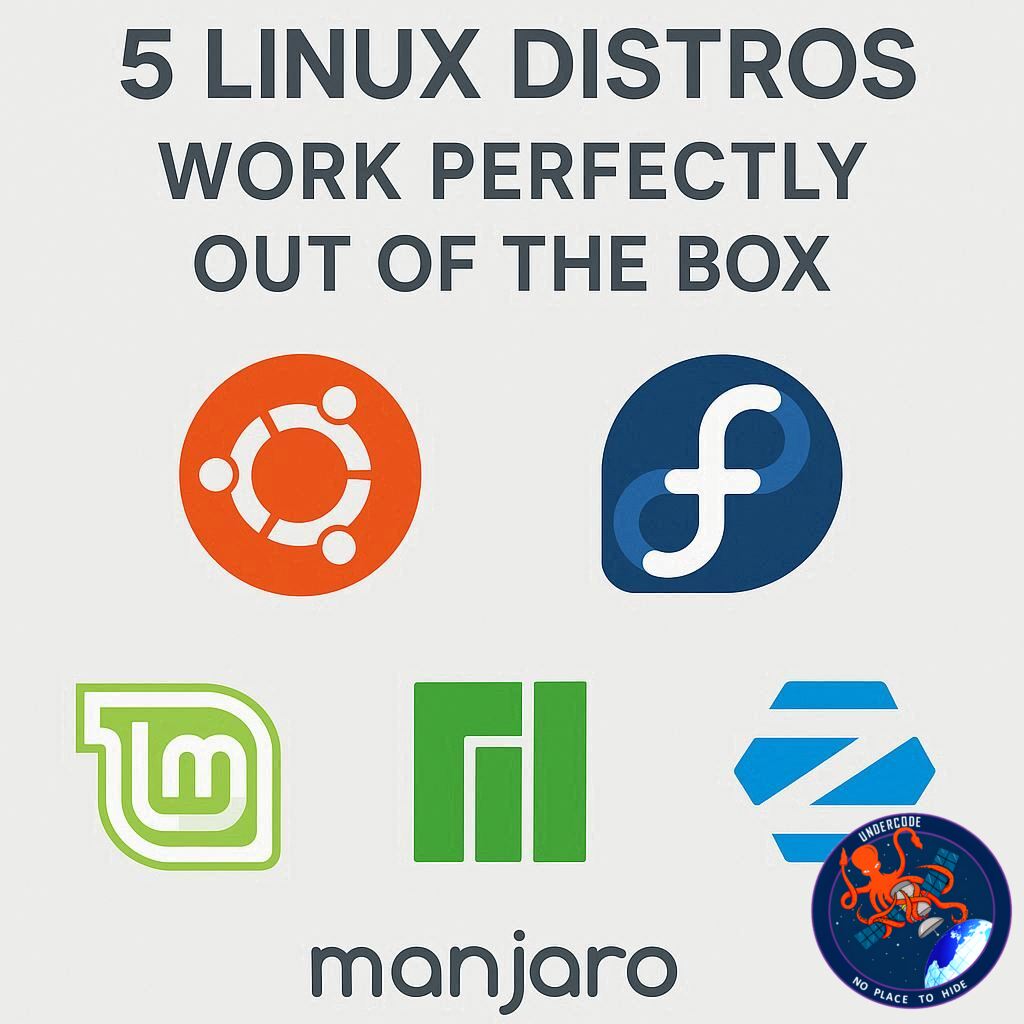
A Fresh Take on Effortless Linux
For years, Windows users have accepted that setting up a computer means hours of updates, bloatware removal, driver installations, and endless tweaks just to get the system running smoothly. Linux, however, tells a different story. While not every distribution is perfect out of the box, several shine in offering a polished experience with zero post-install headaches. These distros come loaded with essential software, clean desktops, and strong hardware detection — all without nagging ads, unnecessary upgrades, or endless setup screens.
The following breakdown highlights five Linux distributions that deliver simplicity and usability right from the first boot. Whether you’re switching from Windows, experimenting with Linux for the first time, or just want an OS that simply works, these picks are designed to get you productive immediately.
Linux Mint – The Gold Standard of Simplicity
Linux Mint has earned its reputation as the friendliest Linux distribution for everyday users. It installs effortlessly, comes with preloaded apps, and feels instantly familiar. The desktop environment is straightforward, lightweight, and functional, making it an ideal choice for anyone new to Linux. With Mint, you can dive straight into work or entertainment without wasting time on additional configuration.
Manjaro – Arch Power Without the Arch Struggle
Manjaro stands out for taking the complexity of Arch Linux and transforming it into an accessible, user-friendly package. Its KDE Plasma desktop is both visually appealing and functional without demanding customization. Manjaro also includes excellent hardware support and comes bundled with all the software most users will need, avoiding bloat while maintaining power. It gives you Arch’s flexibility without requiring the steep learning curve.
ZorinOS – Stylish and Complete from the Start
ZorinOS is crafted for users who want a sleek and modern interface that works effortlessly out of the box. It provides an intuitive onboarding process, a polished default layout, and built-in apps that cover productivity, browsing, and email management. The Zorin Appearance tool allows quick desktop customization, while Flatpak support ensures access to popular third-party software. It even defaults to the Brave browser, giving users a secure, ready-to-go experience.
Pop!_OS – Built for Creators and Developers
Pop!_OS, developed by System76, is tailored for developers and creative professionals but remains remarkably user-friendly. One of its strongest features is GPU-specific ISOs for seamless hardware compatibility, particularly with Nvidia and AMD cards. With minimal bloat, logical workflows, and a tiling window manager option, Pop!_OS offers both performance and flexibility. Its evolution towards the COSMIC desktop further strengthens its position as one of the most efficient out-of-the-box Linux distros.
Ubuntu Budgie – Elegance with Zero Effort
Ubuntu Budgie blends the reliability of Ubuntu with the clean, stylish Budgie desktop. The result is a beautiful system that requires almost no post-install adjustments. It’s functional and minimal, including just the right set of preinstalled applications without overwhelming the user. The interface is clean enough to leave untouched but flexible enough for small tweaks if desired.
What Undercode Say:
When looking at the broader Linux landscape, these five distributions highlight a critical shift in how operating systems should work. Gone are the days when users tolerated endless setup rituals before a machine could be called “usable.” Each of these distros represents a philosophy of immediate productivity, cutting down on wasted time and unnecessary complexity.
Linux Mint is the benchmark for stability and ease, offering a plug-and-play experience that rivals even macOS in simplicity. It appeals to those who want zero surprises and a predictable environment. On the other end, Manjaro demonstrates how a distro with Arch roots can balance advanced functionality with accessibility. It shows that raw power doesn’t have to come at the cost of usability.
ZorinOS brings a polished, almost consumer-electronics-level experience to Linux. Its visual appeal and thoughtful app selection make it an attractive alternative for Windows or macOS users seeking familiarity without compromise. Meanwhile, Pop!_OS adds a unique dimension by tailoring itself to developers and gamers. Its COSMIC desktop and GPU-focused installation process signal a bold step forward in hardware-optimized Linux experiences.
Ubuntu Budgie closes the lineup with elegance, blending beauty and function in a way that makes it a delight to use without tinkering. What ties all these distros together is the recognition that users don’t want to be system administrators every time they install an OS. They want an environment that respects their time, detects their hardware, and equips them with the right tools immediately.
This selection also reflects a growing demand for operating systems that put usability first, not hidden advertisements or constant upgrades. Compared to Windows’ cluttered post-install ritual, these Linux distros deliver freedom and efficiency. That difference is why so many people are making the switch — not because Linux is just free, but because it respects the user’s time.
Another critical point lies in updates and maintenance. With Linux, you don’t spend hours watching a spinning wheel before a meeting or project deadline. Updates are faster, less intrusive, and often more transparent than their proprietary counterparts. These distributions prove that modern Linux is not a “hacker’s OS” anymore — it’s a mature, professional, and everyday-friendly platform.
The real story isn’t just about individual distros; it’s about what they represent for the computing future. If Linux can deliver out-of-the-box convenience while maintaining freedom and control, the balance between user-friendliness and power tilts in its favor. Microsoft’s bloated installations and forced changes feel outdated when compared to the streamlined efficiency of these Linux offerings.
In short, these five distros aren’t just operating systems. They’re a statement: computing doesn’t need to be cluttered, complex, or locked down to be effective. They prove that modern users can demand both simplicity and sophistication — and actually get it.
Fact Checker Results
✅ These distros truly work out of the box with minimal setup.
✅ Hardware detection and preloaded software are strong points across all five.
❌ Some advanced customization may still be required for niche workflows.
Prediction
Linux will continue to gain traction as more users tire of Windows’ complexity and constraints. Distros like Mint, Pop!_OS, and ZorinOS are positioned to attract a wave of new adopters seeking polished, ready-to-use systems. Over the next decade, expect Linux’s “out-of-the-box” experience to rival or even surpass proprietary systems, reshaping how everyday users view open-source computing.
🕵️📝✔️Let’s dive deep and fact‑check.
References:
Reported By: www.zdnet.com
Extra Source Hub:
https://www.digitaltrends.com
Wikipedia
OpenAi & Undercode AI
Image Source:
Unsplash
Undercode AI DI v2
🔐JOIN OUR CYBER WORLD [ CVE News • HackMonitor • UndercodeNews ]
📢 Follow UndercodeNews & Stay Tuned:
𝕏 formerly Twitter 🐦 | @ Threads | 🔗 Linkedin | 🦋BlueSky | 🐘Mastodon


