
Listen to this Post
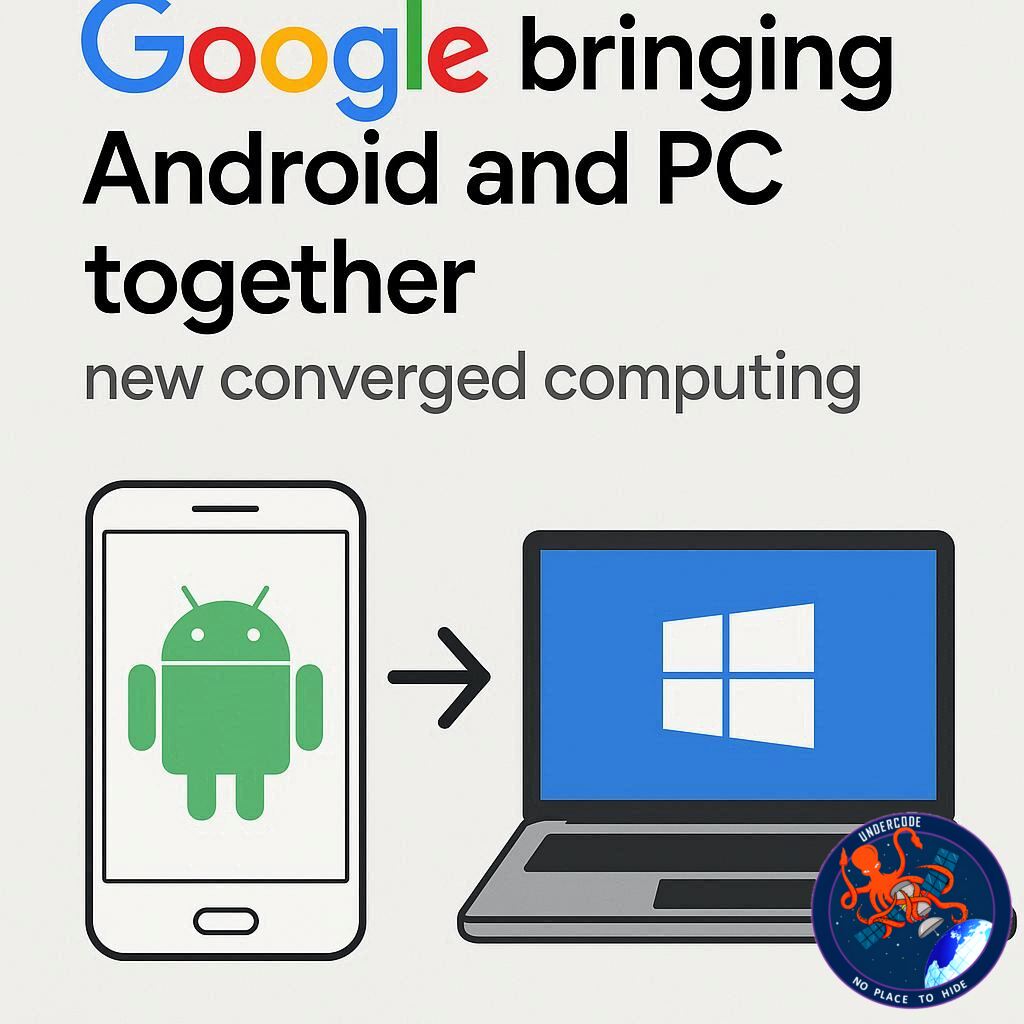
Introduction: Expanding Android Beyond Phones
For years, Android has dominated smartphones and tablets, but Google and Qualcomm are now aiming to take it much further. The tech giants recently teased a groundbreaking collaboration at the Snapdragon Summit, suggesting that Android could soon run seamlessly on PCs and desktops. This move promises to blur the line between mobile and personal computing, creating a more unified digital ecosystem for users everywhere. By combining Android’s flexibility with Qualcomm’s hardware expertise, the duo is poised to redefine what people expect from their computers.
The Convergence of Mobile and PC
At the Snapdragon Summit, Qualcomm CEO Cristiano Amon and Google SVP of Devices and Services Rick Osterloh shared details of their collaboration. Osterloh highlighted a historic shift: until now, mobile and PC systems have been built on very different technical foundations. Their new project aims to merge these worlds, creating a shared foundation for operating systems across devices. The partnership promises not just a copy of Android for PCs but a fully integrated ecosystem that leverages Android’s versatility while maintaining the power and functionality users expect from desktops.
Integrating AI Into Every Device
Google is also bringing its AI technologies, including the Gemini AI models, to this new PC initiative. Osterloh emphasized that this integration will allow users to access advanced AI capabilities, Google Assistant, and a suite of applications directly from their PCs. This means developers will have the tools to create apps that function consistently across phones, tablets, and desktops. Amon added that the result is a vision of true convergence, where mobile and PC experiences are unified in a way that feels natural and seamless.
A Multi-Year Journey Towards Unified Systems
This project isn’t sudden. Reports from Android Authority revealed that Google has been working for years on merging Chrome OS with Android. The goal is to create a single, cohesive operating system strategy that spans all device categories. Recent statements from executives suggest this integration is now closer than ever to fruition, signaling a major milestone in Google’s long-term vision of device unification. Users can anticipate a future where switching between a phone, tablet, and PC feels entirely fluid, with consistent performance, apps, and user experience.
What Undercode Say: Breaking Down the Impact of Android on PCs
The collaboration between Google and Qualcomm could dramatically reshape personal computing. First, a unified Android-PC ecosystem simplifies software development. Developers no longer need to create separate versions of apps for different devices, reducing costs and streamlining innovation. This could also accelerate AI adoption, as Gemini models and Google Assistant functionalities become universally accessible across device types.
From a user perspective, this means fewer limitations and more versatility. Imagine starting a project on your phone, continuing on a tablet, and finishing on a PC without encountering compatibility issues. Such integration has the potential to significantly boost productivity, particularly for professionals who rely on multiple devices daily.
Hardware innovation will also play a crucial role. Qualcomm’s chips are known for energy efficiency and high performance, which could address the long-standing challenge of Android’s performance on larger, more resource-intensive PC platforms. By tailoring processors specifically for this unified ecosystem, users may experience a smooth, responsive interface akin to traditional desktop operating systems.
The integration of AI could further enhance computing beyond conventional tasks. PCs might anticipate user needs, optimize workflows, and provide smarter suggestions, creating a more intuitive environment. This approach could push other OS developers, including Microsoft and Apple, to rethink how they unify mobile and desktop experiences.
However, challenges remain. Legacy software compatibility, driver support, and security concerns are significant hurdles. Google will need to ensure Android-PC devices are robust, secure, and capable of handling enterprise-level demands. The market adoption will depend heavily on developer engagement and user trust in this new ecosystem.
From a broader perspective, this move positions Google and Qualcomm to directly compete with Apple’s tightly integrated ecosystem. Apple’s success with macOS and iOS convergence has shown there is massive consumer appetite for seamless device interoperability. If Google executes well, Android PCs could attract users who prefer Android phones but have historically been constrained to Windows or macOS laptops.
Economically, a unified Android-PC ecosystem may stimulate a wave of new hardware from OEMs, especially in the mid-range and budget segments. Affordable Android-powered laptops could challenge traditional Windows laptops in emerging markets, while premium devices might offer high-end AI capabilities for enterprise users.
Strategically, this partnership strengthens Qualcomm’s position as a leader in ARM-based computing, signaling that Android on PCs is likely to rely heavily on ARM architecture rather than x86. This could influence the entire PC market, pushing Intel and AMD to rethink their strategies.
In short, the Google-Qualcomm alliance is not just a technical endeavor; it’s a calculated market move with long-term implications for software development, AI integration, user experience, and global computing trends. If successful, it could redefine the way billions of people interact with digital devices.
Fact Checker Results
Google and Qualcomm have publicly confirmed collaboration on Android-PC integration ✅
AI and Gemini models are planned for PC integration according to executive statements ✅
Full Android-Chrome OS convergence timeline remains unclear ❌
Prediction: Android PCs Could Become Mainstream by 2026
If development continues smoothly, Android-powered PCs could appear in consumer markets within the next 1–2 years, particularly targeting mid-range laptops and hybrid devices. By 2026, seamless mobile-to-PC experiences with integrated AI may redefine personal computing habits, pushing traditional desktop operating systems to evolve faster than ever. Expect a new era where Android is no longer just a mobile OS but a universal platform across all devices.
🕵️📝✔️Let’s dive deep and fact‑check.
References:
Reported By: timesofindia.indiatimes.com
Extra Source Hub:
https://www.quora.com/topic/Technology
Wikipedia
OpenAi & Undercode AI
Image Source:
Unsplash
Undercode AI DI v2
🔐JOIN OUR CYBER WORLD [ CVE News • HackMonitor • UndercodeNews ]
📢 Follow UndercodeNews & Stay Tuned:
𝕏 formerly Twitter 🐦 | @ Threads | 🔗 Linkedin | 🦋BlueSky | 🐘Mastodon


