
Listen to this Post
Introduction: A Hidden Digital Danger
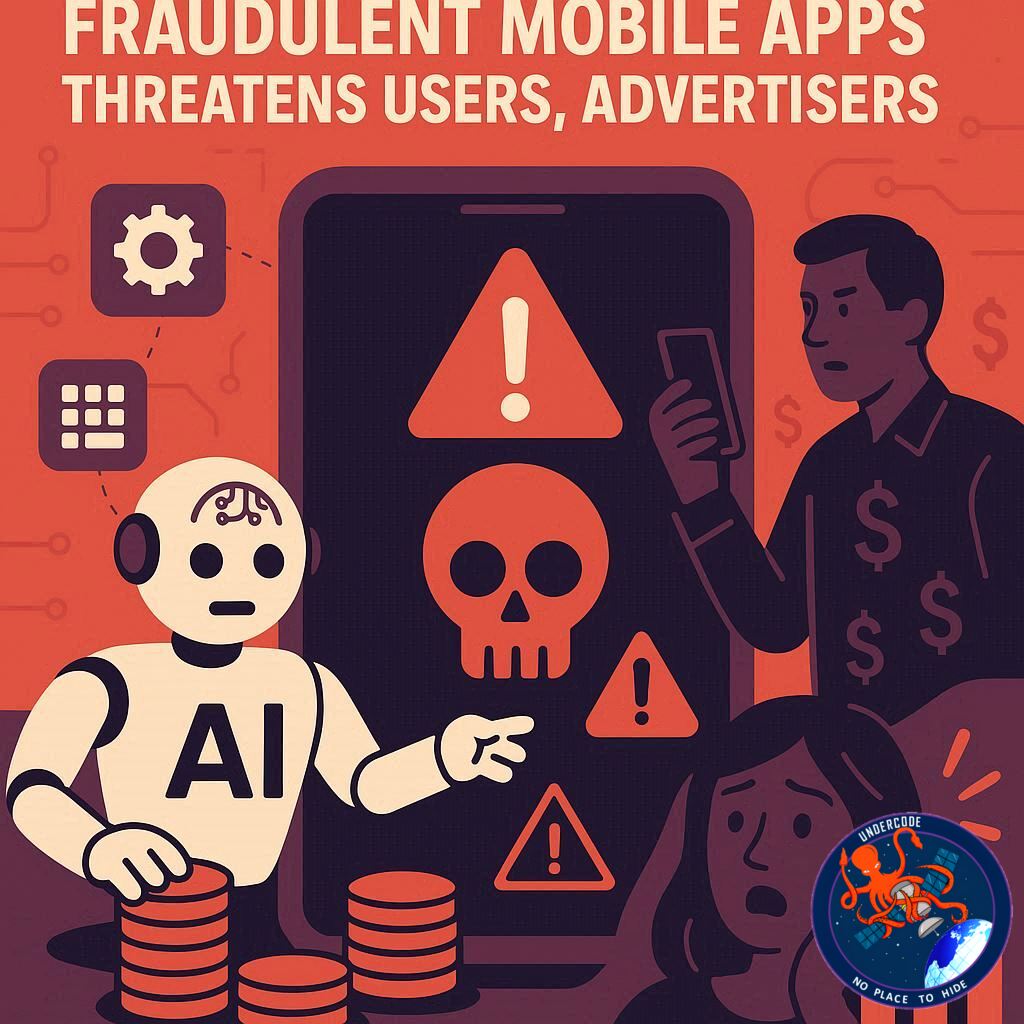
Mobile apps have become a cornerstone of our daily lives, but a new threat is silently growing: fraudulent apps. A recent study reveals a shocking rise in fake apps on both iOS and Android platforms, many of which are generated or powered by AI. These malicious apps not only target unsuspecting users but also exploit advertisers, creating a multi-layered cyber risk. Understanding this trend is crucial for anyone who downloads apps or invests in mobile advertising.
📈 Alarming Rise in Fraudulent Apps
According to DV Fraud Lab, 2025 has seen a staggering surge in fake apps: a 300% increase on iOS and a 600% increase on Android. These apps are designed to mimic popular applications, such as Facebook, in order to trick users into entering their login credentials. Once compromised, users’ personal information becomes vulnerable, exposing them to potential identity theft or financial loss.
🤖 AI: The Driving Force Behind Fake Apps
AI plays a critical role in this digital deception. Fraudsters use AI tools to craft convincing app descriptions that pass app store reviews, while also simulating realistic user behavior. This makes detection extremely challenging, as traditional fraud-detection methods struggle to differentiate between legitimate and fraudulent activity.
💻 Targeting Advertisers
Many fake apps are not just after user data—they aim to manipulate advertising revenue. By generating fake traffic, these apps inflate ad impressions and clicks, ultimately defrauding advertisers. This tactic undermines trust in digital advertising networks and costs businesses millions of dollars annually.
📝 Fake Reviews and Misleading Descriptions
The DV Fraud Lab study found that many reviews on fraudulent apps are generated by bots, often featuring repetitive or nonsensical language. For example, gaming apps advertised as thrilling experiences received reviews calling them “professional software” or “Contains many problems, I like.” Such reviews are clearly inauthentic but can still mislead users into downloading the apps.
🌐 Democratization of App Fraud
One alarming trend is that AI-powered tools now allow even non-coders to create fraudulent apps with minimal effort. This accessibility has led to an explosion in low-quality, deceptive apps that clutter app stores and endanger users.
⚠️ Industry Implications
DV Fraud Lab warns that companies like Apple and Google must urgently rethink their app vetting processes. Current measures are struggling to keep up with AI-driven schemes, making the app ecosystem increasingly vulnerable.
What Undercode Say: In-Depth Analysis 🧐
The rise of AI-powered fraudulent apps represents a perfect storm of technology and deception. AI allows fraudsters to automate tasks that previously required technical expertise, such as generating realistic app interfaces, writing believable descriptions, and even simulating user interactions. This automation accelerates the scale of fraud while minimizing the effort needed to launch attacks.
The implications for cybersecurity are profound. Traditional app review mechanisms rely heavily on human inspection and pattern detection. However, AI enables these apps to mimic legitimate behavior so convincingly that automated detection systems often fail. This calls for advanced AI-driven security solutions capable of analyzing behavioral patterns across millions of apps in real-time.
From an economic perspective, advertisers are particularly at risk. Fake app traffic undermines the ROI of mobile ad campaigns, creating an invisible drain on marketing budgets. Fraudulent apps also distort analytics, making it difficult for businesses to make informed decisions based on user engagement metrics.
The rise of non-coder-friendly AI platforms also democratizes fraud, making it easier for anyone to enter the market. This suggests that regulatory oversight may need to evolve, including stricter app store guidelines and mandatory transparency for app developers.
Social engineering is another major concern. Fake apps mimic familiar platforms, exploiting users’ trust. Once credentials are harvested, cybercriminals can execute identity theft, financial fraud, or even phishing campaigns targeting larger networks of users.
Furthermore, the volume of fraudulent apps threatens the integrity of app marketplaces. User trust is the backbone of platforms like the Apple App Store and Google Play Store. If fraudulent apps continue to proliferate unchecked, users may become hesitant to download new apps, affecting legitimate developers and stifling innovation.
In addition, the AI arms race is ongoing. As app stores improve detection methods, fraudsters continuously adapt, making this an escalating battle. The need for multi-layered detection—combining AI analysis, human review, and community reporting—is now more critical than ever.
Consumer awareness is also a crucial line of defense. Users must scrutinize app reviews, check developer credibility, and limit permissions to sensitive data. While app stores have a responsibility to vet content, educated users are equally essential in mitigating risk.
✅ Fact Checker Results
DV Fraud Lab confirms a dramatic increase in fraudulent apps for both iOS and Android.
AI is actively used to generate both realistic app content and fake traffic.
App review systems are currently struggling to detect these AI-powered fraudulent apps.
🔮 Prediction: The Future of App Fraud
Experts predict that AI-driven app fraud will continue to rise in sophistication. Fraudulent apps may begin to integrate deepfake interfaces, simulate more nuanced human behavior, and even exploit voice or biometric data. As a countermeasure, app stores will likely adopt AI-powered fraud detection systems to identify anomalies in real time. Users who remain vigilant and limit permissions will be less vulnerable, but the battle between fraudsters and tech platforms is only just beginning. ⚠️💻📱
🕵️📝✔️Let’s dive deep and fact‑check.
References:
Reported By: 9to5mac.com
Extra Source Hub:
https://www.reddit.com/r/AskReddit
Wikipedia
OpenAi & Undercode AI
Image Source:
Unsplash
Undercode AI DI v2
🔐JOIN OUR CYBER WORLD [ CVE News • HackMonitor • UndercodeNews ]
📢 Follow UndercodeNews & Stay Tuned:
𝕏 formerly Twitter 🐦 | @ Threads | 🔗 Linkedin | 🦋BlueSky | 🐘Mastodon


