
Listen to this Post
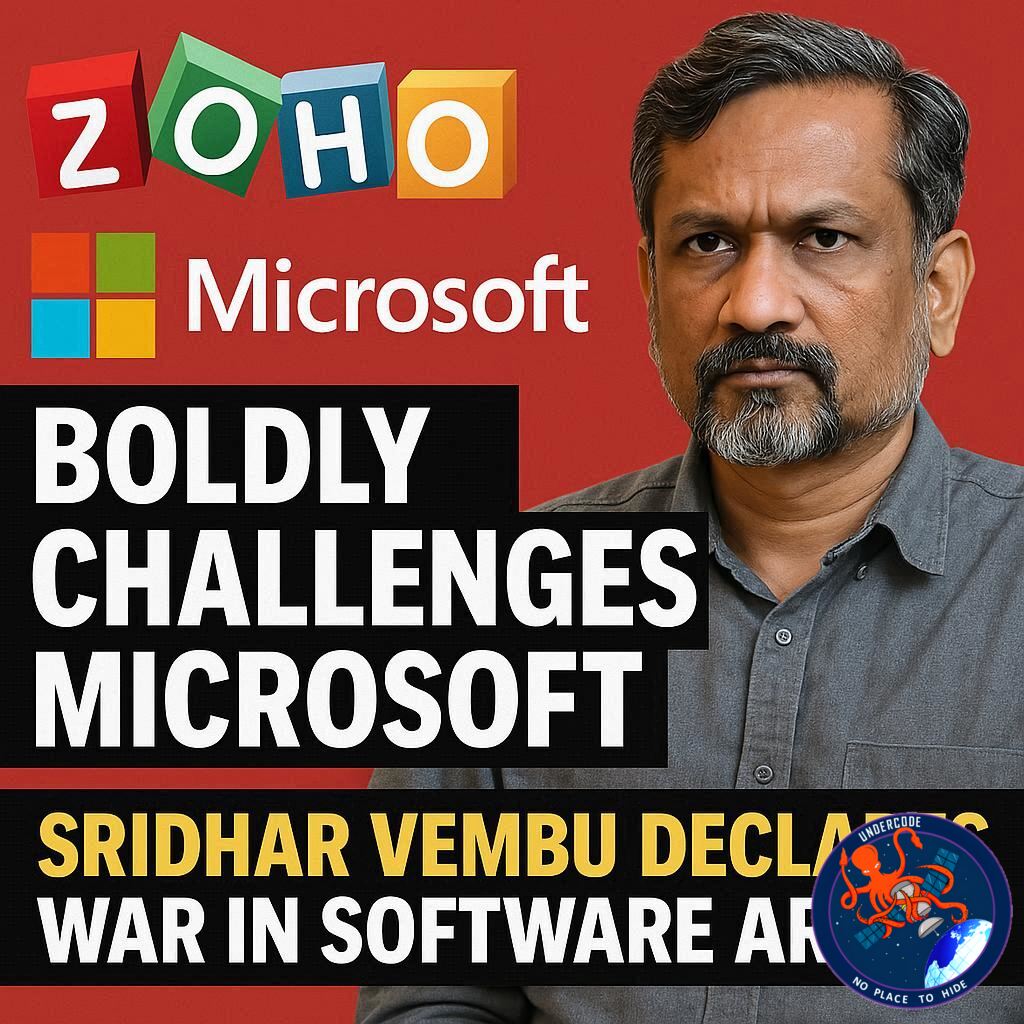
Introduction: A Clash of Titans in the Tech World
The global software industry is no stranger to fierce rivalries, but rarely do we see a challenger emerge with the confidence to take on Microsoft. Zoho’s founder and former CEO, Sridhar Vembu, has stepped into the spotlight with a bold proclamation: his company is the only true contender capable of matching and even surpassing Microsoft in the breadth and depth of its product ecosystem. His message, delivered through a viral post on X (formerly Twitter), has sent ripples across the tech community. From praising India’s IT minister for adopting Zoho products to criticizing Salesforce’s pricing policies, Vembu is positioning his Chennai-based firm as a disruptive force in global enterprise software.
Zoho’s Claim of Superiority Over Microsoft
In a post on X, Sridhar Vembu shared a visual showcasing Zoho’s dramatic product expansion since 2002. He proudly declared that Zoho, along with its IT management division ManageEngine, now boasts one of the most extensive product ranges in the industry. According to him, no company apart from Microsoft can compete at this scale — and Zoho is prepared to surpass even that.
A Call to Businesses and Users Worldwide
Vembu directly urged professionals and enterprises to examine Zoho’s software suite, claiming it offers a superior experience compared to Microsoft’s products. He emphasized Zoho’s focus on innovation in cloud infrastructure, AI, and application development, pointing out that the company is doubling down on research and development to accelerate its growth trajectory.
Political Backing: A Boost from India’s IT Minister
Zoho’s momentum received an unexpected boost when Ashwini Vaishnaw, India’s IT minister, announced his decision to switch from foreign productivity tools to Zoho’s indigenous offerings. His move, framed as a patriotic adoption of Swadeshi technology, was amplified by his public urging for Prime Minister Narendra Modi to encourage others to follow suit.
Vembu’s Response to Government Support
In response to Vaishnaw’s endorsement, Vembu expressed gratitude and described the gesture as a “huge morale boost” for Zoho engineers who have worked tirelessly for decades. He pledged to make both the minister and the nation proud, aligning Zoho’s growth with a broader sense of national achievement.
Criticism of Competitors Like Salesforce
Vembu didn’t stop at challenging Microsoft. Earlier this month, he criticized Salesforce for what he described as exploitative pricing practices. In particular, he highlighted the case of Slack, which reportedly hiked subscription costs for a nonprofit customer from $5,000 annually to a staggering $200,000. His remarks underscored Zoho’s positioning not just as a competitor to tech giants, but as an advocate for fair pricing in enterprise software.
What Undercode Say:
The story of Zoho’s challenge to Microsoft is more than a bold social media post — it represents a deeper shift in the global software landscape. Let’s unpack the key dynamics at play:
The Power of Indigenous Innovation
Zoho’s claim of superiority reflects the growing self-confidence of Indian tech companies on the global stage. For decades, India was known primarily for outsourcing and IT services. With Zoho, the narrative shifts toward indigenous product development that directly challenges Silicon Valley titans.
Microsoft’s Long-Standing Dominance
Microsoft’s strength lies in its near-ubiquitous presence in productivity software, operating systems, and enterprise platforms. However, this dominance comes with a reputation for complexity and high costs. Vembu is capitalizing on this weakness by portraying Zoho as a leaner, more innovative alternative with a customer-first mindset.
The Nationalistic Angle
The endorsement from IT minister Ashwini Vaishnaw adds political weight to Zoho’s campaign. By framing Zoho as a “Swadeshi” alternative, Vembu aligns his company with India’s push for technological self-reliance. This narrative resonates strongly with policymakers and enterprises eager to reduce dependence on foreign software.
Pricing Transparency as a Differentiator
Zoho’s criticism of Salesforce illustrates a deliberate branding strategy: position itself as the ethical, affordable option in a market notorious for aggressive pricing models. This message could particularly appeal to startups, small businesses, and nonprofits that are often priced out of mainstream enterprise tools.
Innovation as the Core Weapon
Vembu’s repeated emphasis on R&D in AI and cloud infrastructure is no coincidence. The next decade of software competition will be defined by how effectively companies integrate AI-driven workflows and scalable platforms. Zoho aims to prove that innovation doesn’t require Silicon Valley roots to flourish.
Global Expansion vs. Local Loyalty
One of Zoho’s challenges lies in balancing its identity as an Indian-born company with its ambition to expand globally. While the Swadeshi narrative strengthens domestic loyalty, international adoption will hinge on performance, usability, and scalability against the likes of Microsoft and Google.
Can Zoho Really Compete at Microsoft’s Scale?
While Zoho offers a wide product suite, Microsoft’s ecosystem spans operating systems, cloud services (Azure), and global enterprise partnerships. Zoho may rival Microsoft in specific segments, but achieving parity across the board remains an uphill battle. The claim of “vastly superior experience” will require more than patriotic support — it must withstand scrutiny in enterprise deployments worldwide.
The Salesforce Factor
By calling out Salesforce, Vembu positions Zoho as a champion of fairness in the SaaS industry. Yet, this also paints a target on his back. Competing with Microsoft is one thing; antagonizing Salesforce at the same time risks stretching Zoho’s resources thin in multiple battles.
Long-Term Implications
The broader implication of Zoho’s stance is symbolic: the software industry is no longer a one-horse race dominated by American giants. As emerging players like Zoho scale globally, the monopoly narrative weakens, creating room for healthier competition.
Fact Checker Results
✅ Vembu did publicly challenge Microsoft on X with claims of superiority.
✅ India’s IT minister confirmed his switch to Zoho’s productivity tools.
❌ Zoho has not yet proven measurable dominance over Microsoft globally.
Prediction
Zoho’s aggressive stance and political support will likely accelerate its adoption in India and among cost-conscious global businesses. However, challenging Microsoft on equal footing worldwide will require sustained innovation, strategic alliances, and relentless execution. If Zoho can continue leveraging AI, fair pricing, and nationalistic momentum, it may evolve into a formidable global contender by the end of the decade.
🕵️📝✔️Let’s dive deep and fact‑check.
References:
Reported By: timesofindia.indiatimes.com
Extra Source Hub:
https://stackoverflow.com
Wikipedia
OpenAi & Undercode AI
Image Source:
Unsplash
Undercode AI DI v2
🔐JOIN OUR CYBER WORLD [ CVE News • HackMonitor • UndercodeNews ]
📢 Follow UndercodeNews & Stay Tuned:
𝕏 formerly Twitter 🐦 | @ Threads | 🔗 Linkedin | 🦋BlueSky | 🐘Mastodon


