
Listen to this Post
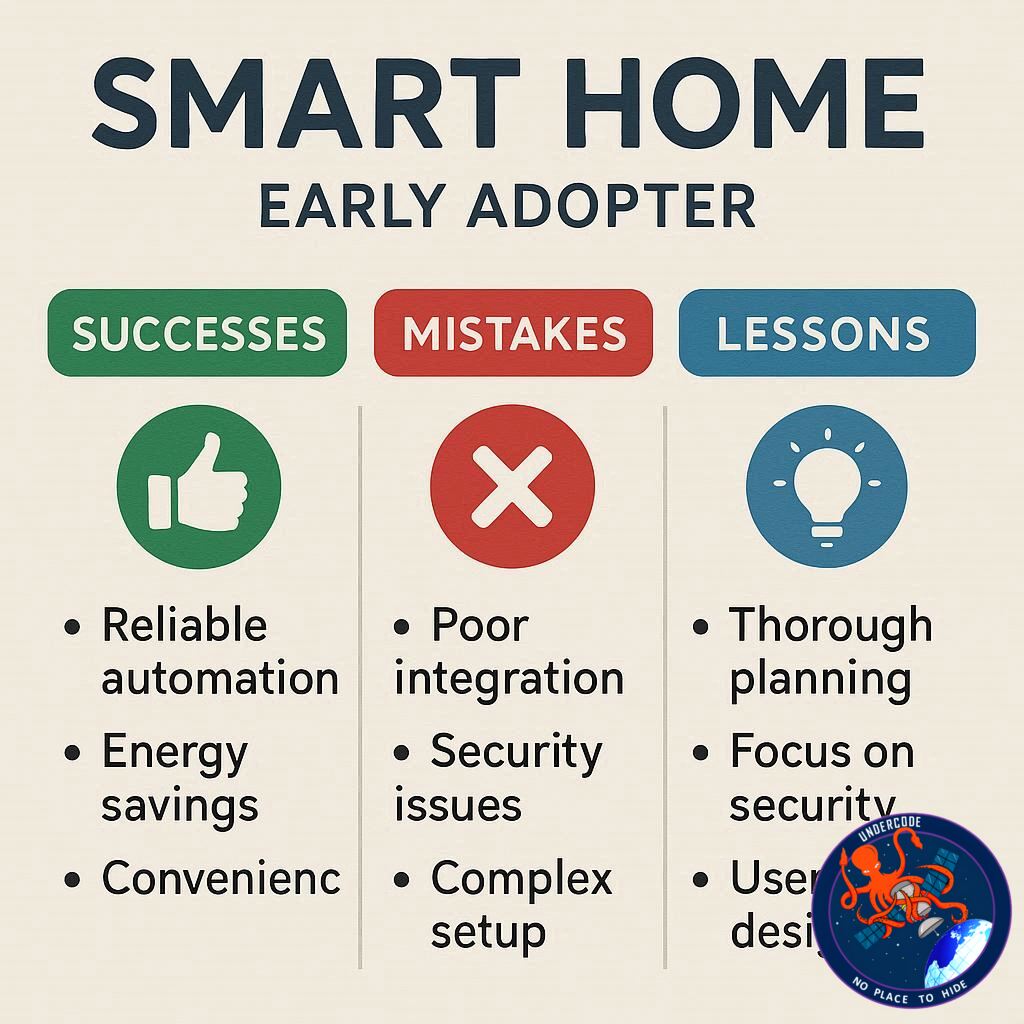
Introduction: Embracing the Smart Home Revolution
Smart homes promise convenience, efficiency, and a touch of futuristic living. For tech enthusiasts, adopting smart home technology can transform daily routines, from waking up with automated blinds to controlling multiple lights with a single voice command. However, early adoption often involves experimentation, and not every feature delivers as expected. This article dives into the lessons learned from years of smart home experimentation, highlighting both the successes and pitfalls.
The Joys of Smart Home Living 🌟
One of the most compelling aspects of a smart home is automation. While some argue that a home only counts as “smart” when automation is involved, manual voice control can also provide significant convenience. Automated features, such as bedroom blinds opening with the sunrise or kitchen lights activating when you enter, enhance comfort and create a gentle, intuitive experience.
Voice commands are another powerful tool, particularly when triggering “scenes.” Commands like “living room relax” can adjust multiple lights at once to create the perfect ambiance. While automation using sensors could replicate some of these effects, simplicity often wins over overly complex setups.
Early Adoption Journey 🛠️
Smart home technology has roots dating back to 1975 with the X10 protocol, but modern adopters are still navigating trial and error. The author began their smart home journey in 2013, pioneering setups among friends while relying on online communities for experimentation. Over time, most features have proven successful, but two major mistakes stand out.
Mistake 1: Floor-to-Ceiling Smart Blinds ❌
While standard-sized smart blinds work beautifully, floor-to-ceiling versions introduce challenges.
- Mechanical Issues: Wide blinds touching each other can catch during movement, requiring manual adjustment.
- Battery Drain: Large, heavy blinds strain battery-powered motors, requiring frequent replacements—especially problematic when multiple blinds are involved.
The takeaway: for full-width floor-to-ceiling windows, traditional curtains may be more practical, balancing aesthetics with reliability.
Mistake 2: Overly-Clever Scenes ⚡
Scenes are designed to simplify life by controlling multiple devices with a single command. However, overly ambitious setups can backfire.
For example, linking lights in multiple rooms for “home alone” scenarios led to frustration. Activating one scene often inadvertently turned off lights needed elsewhere, creating more manual adjustments than convenience. The lesson: sometimes simpler, room-focused scenes outperform complex automation.
What Undercode Say: Smart Home Analysis 🔍
The author’s experiences highlight a broader truth: smart home technology is not one-size-fits-all. Efficiency and simplicity often trump technical sophistication.
Automation is Valuable, but Context Matters: Automated blinds and lights work best when the technology matches daily routines without introducing maintenance headaches.
Manual Control Still Counts: Voice commands offer flexibility that sensors and automation can’t always match, especially in dynamic living spaces.
Over-Engineering Backfires: Combining multiple actions into a single scene may seem clever but often leads to frustration. Simple, targeted automation provides a more seamless experience.
Early Adoption Lessons: Being a pioneer in smart home technology requires patience and iterative testing. Each failed experiment offers insight into what truly enhances convenience.
Maintenance Considerations: Battery-powered devices, heavy mechanical systems, and complex integrations need realistic upkeep planning. High-tech should never come at the cost of daily practicality.
User-Centric Design: The best smart home setups prioritize human behavior and routine over flashy technological capabilities.
Scene Optimization: Grouping devices logically—per room or per activity—ensures smooth operation and reduces unintended consequences.
Aesthetic vs. Functional Trade-Offs: While sleek, floor-to-ceiling blinds may look modern, traditional solutions often outperform in reliability.
Cost vs. Benefit Analysis: Expensive automation can quickly become a headache if maintenance demands outweigh convenience.
Community Insights: Online forums and tech communities are invaluable for troubleshooting, sharing tips, and learning from others’ mistakes.
Experimentation is Key: Each home and lifestyle is unique. Iterative testing identifies what automation truly adds value.
Adaptation Over Time: Preferences and routines evolve. A successful smart home remains flexible to accommodate these changes.
Integration Challenges: Multiple brands and ecosystems can complicate setups. Prioritize devices that communicate seamlessly.
Redundancy Avoidance: Avoid overcomplicating commands that can conflict with each other.
Practical Voice Control: Scenes triggered via voice must be intuitive and easy to remember.
Energy Efficiency: Automation can reduce energy consumption if programmed thoughtfully.
Scalability Considerations: Start small; expand only once the system proves reliable.
User Education: Family members or guests must understand controls to avoid confusion.
Reliability Over Novelty: Features should function consistently—unreliable gadgets erode the smart home experience.
Smart Lighting Priorities: Lighting automation is highly impactful but should never disrupt daily activities.
Tech Fatigue Management: Avoid creating setups that feel like extra work rather than simplifying life.
Optimal Hardware Selection: Not all “smart” devices live up to their promise; research and reviews are crucial.
Balancing Innovation with Simplicity: Too many advanced features can reduce usability.
Backup Plans: Manual overrides are essential for heavy or high-maintenance devices.
Routine-Based Automation: Align automation with real-world routines rather than theoretical convenience.
Voice Command Customization: Tailor commands to your habits rather than generic suggestions.
Iterative Scene Design: Adjust scenes gradually to avoid unforeseen conflicts.
System Monitoring: Track performance and battery life to prevent unexpected failures.
Continuous Learning: Stay updated with technology improvements to enhance existing setups.
Home-Specific Solutions: Every floor plan and lifestyle will dictate unique automation strategies.
Cost-Aware Choices: High-end automation may not justify the investment if alternatives are simpler.
Flexibility is Key: Allow for manual overrides and adaptable automation as routines change.
Fact Checker Results ✅❌
- Smart homes date back to the 1970s with X10 technology. ✅
- Floor-to-ceiling blinds commonly face mechanical and battery issues. ✅
- Complex multi-room scenes often result in usability problems. ✅
Prediction 🔮
As smart home technology evolves, expect more energy-efficient, low-maintenance devices to dominate the market. Voice-activated automation will continue to improve, making “scenes” simpler, more reliable, and more adaptable to individual routines. Traditional solutions like curtains may still coexist, balancing aesthetics with practicality in modern smart homes. ⚡🏠
🕵️📝✔️Let’s dive deep and fact‑check.
References:
Reported By: 9to5mac.com
Extra Source Hub:
https://www.discord.com
Wikipedia
OpenAi & Undercode AI
Image Source:
Unsplash
Undercode AI DI v2
🔐JOIN OUR CYBER WORLD [ CVE News • HackMonitor • UndercodeNews ]
📢 Follow UndercodeNews & Stay Tuned:
𝕏 formerly Twitter 🐦 | @ Threads | 🔗 Linkedin | 🦋BlueSky | 🐘Mastodon


