
Listen to this Post
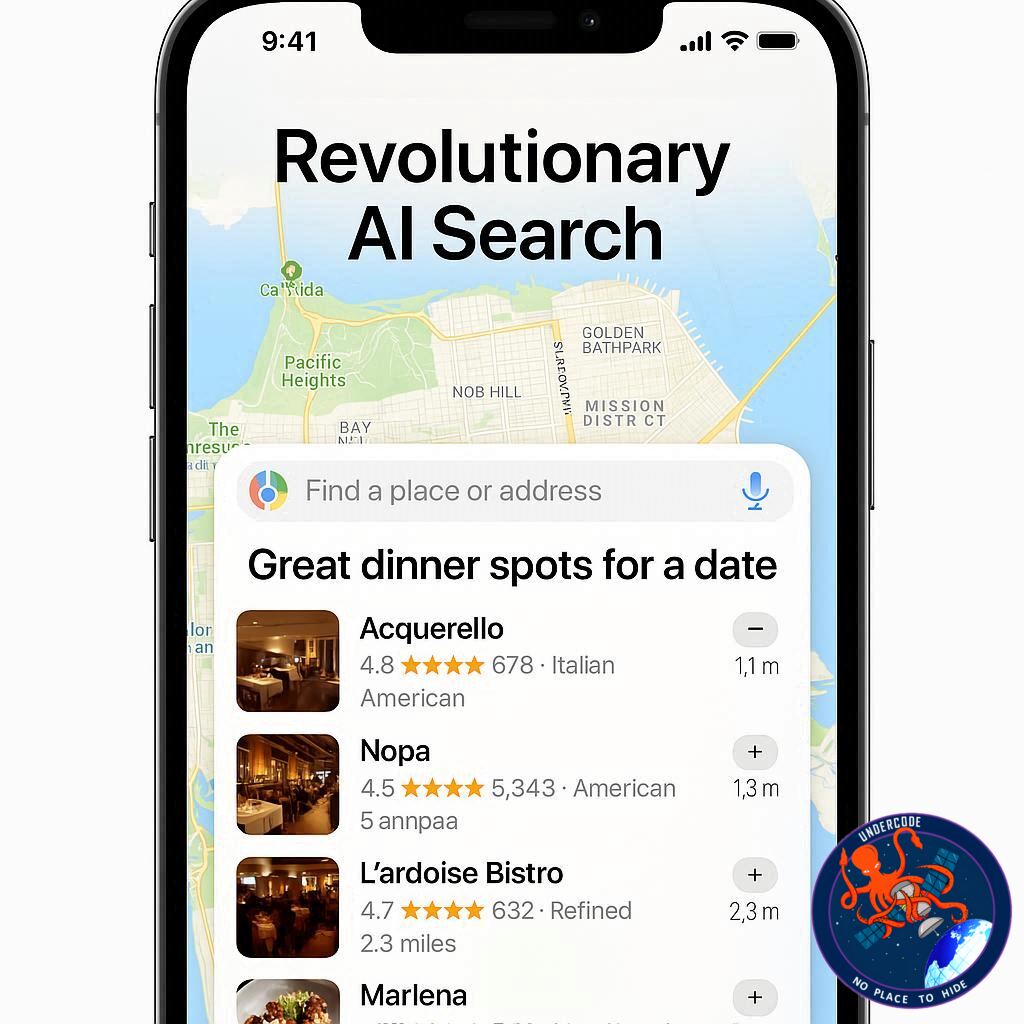
Apple Maps has taken a massive leap forward in iOS 26, introducing smarter and more intuitive search features that could transform the way users navigate and explore their surroundings. The latest update leverages Apple Intelligence to make searching for locations, services, and experiences far more natural and effective than ever before. Here’s everything you need to know about the new AI-powered Maps search and what it means for iPhone users.
Smarter Maps with Natural Language Search 🗺️
Apple has integrated natural language search into Maps using its Apple Intelligence platform. Unlike previous updates, this isn’t a flashy standalone feature—it quietly enhances your everyday search experience. Users can now type or speak complex queries like, “Find cafes with free Wi-Fi near Disney World,” and Maps understands exactly what they mean, parsing multiple details effortlessly.
This AI upgrade builds on Apple’s previous enhancements across apps like Photos, Apple Music, and the TV app, where AI made searches more intuitive and personalized. In Maps, it allows users to search the way they naturally talk, bypassing rigid keyword-based searches and delivering more accurate results.
How Apple Intelligence Powers Search 🔍
Natural language search relies on advanced AI algorithms that Apple has been perfecting across its ecosystem. The same AI tools that organize emails, summarize notifications, and suggest smart replies now help Maps understand multi-part queries. This means Maps can recognize intent, location, amenities, and even context, all at once, making your search experience seamless.
During the iOS 26 beta, users reported impressive accuracy when searching for highly specific requests. Queries that would have previously confused Maps now produce precise results, whether looking for restaurants, cafes, or entertainment venues.
Why This Matters for Users 🌟
With AI-powered natural language search, Apple Maps is no longer just a navigation tool—it’s becoming a smart assistant for discovering nearby experiences. Users can spend less time typing keywords and more time exploring. This feature is particularly useful for travelers, city explorers, and anyone seeking personalized recommendations.
Popular Accessories for Apple Maps Users 📱
Enhance your experience with some top iPhone accessories:
AirPods Pro 3
MagSafe Car Mount for iPhone
HomeKit Smart Plug 4-pack
10-year AirTag battery case 2-pack
100W USB-C fast charging adapter
What Undercode Say: Deep Analysis of Apple Maps AI Search 🧠
Apple’s iOS 26 Maps update demonstrates a significant evolution in AI integration. By leveraging Apple Intelligence, the app now delivers a level of contextual understanding that closely rivals other AI-driven platforms. The natural language processing (NLP) capabilities allow the app to interpret multi-layered queries and return results that feel tailored to the user’s intent.
Analytically, this update has multiple implications. First, it could increase user engagement as searches become more reliable and less frustrating. A user searching for “vegan restaurants near the museum with outdoor seating” will get accurate results instantly, reducing friction and improving satisfaction.
Second, this feature positions Apple Maps as a more competitive alternative to Google Maps and other navigation apps. While Google has had natural language search capabilities for years, Apple’s AI approach is more deeply integrated across the ecosystem, allowing for seamless interactions across devices and apps.
Third, the update could drive broader adoption of Apple Intelligence in everyday tasks. As users experience tangible benefits from AI in Maps, they may begin relying more heavily on AI across other Apple apps, creating a feedback loop that strengthens the platform.
Moreover, from an SEO perspective, Apple’s AI-powered searches could indirectly influence local business visibility. Businesses with optimized profiles and accurate data may see higher engagement as AI queries favor precise matches.
Finally, this AI integration enhances accessibility. Users with disabilities can rely on voice commands or simplified queries, making Maps more inclusive. The potential for machine learning to improve over time suggests that the system will only get better at understanding diverse phrasing, slang, and nuanced queries.
Overall, Apple Maps in iOS 26 is more than a navigation app; it’s evolving into an intelligent guide that understands how people naturally communicate. As AI continues to refine these capabilities, users can expect faster, more accurate, and context-aware navigation and search experiences.
Fact Checker Results ✅❌
✅ Apple Maps now supports natural language search via Apple Intelligence.
✅ AI search understands multi-part, context-rich queries.
❌ This feature does not require switching to a separate search mode; it is integrated into standard Maps usage.
Prediction 🔮
Apple’s AI-powered Maps search is likely to reshape how iPhone users interact with navigation apps. Within the next year, we can expect even smarter predictions for queries, integration with more services like restaurant reservations or event booking, and a stronger ecosystem advantage over competitors. Users could increasingly rely on Maps not just for directions but as a personal assistant for daily activities, making AI the heart of location-based discovery.
🕵️📝✔️Let’s dive deep and fact‑check.
References:
Reported By: 9to5mac.com
Extra Source Hub:
https://www.reddit.com/r/AskReddit
Wikipedia
OpenAi & Undercode AI
Image Source:
Unsplash
Undercode AI DI v2
🔐JOIN OUR CYBER WORLD [ CVE News • HackMonitor • UndercodeNews ]
📢 Follow UndercodeNews & Stay Tuned:
𝕏 formerly Twitter 🐦 | @ Threads | 🔗 Linkedin | 🦋BlueSky | 🐘Mastodon


