
Listen to this Post
Introduction: A New Era of Searching
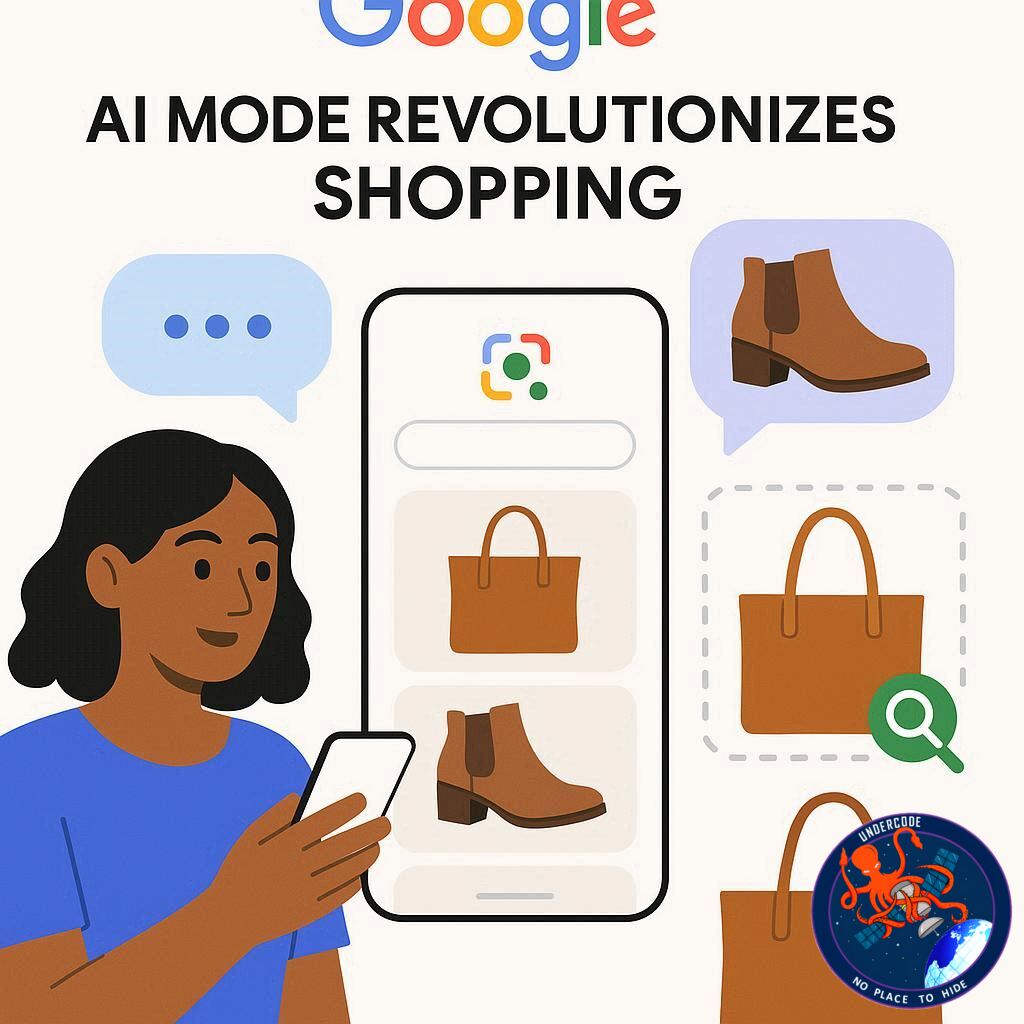
Google has once again pushed the boundaries of online search with its latest AI Mode update. For users in the US, the feature now allows conversational visual searches, enabling shoppers to describe products naturally and use images as references instead of relying solely on traditional filters. This marks a significant shift in how people interact with search engines, blending natural language, visual recognition, and real-time product data for a seamless shopping experience.
A Breakthrough in Shopping Technology
The core of this update is Google’s multimodal search technology. Users can input descriptions as if talking to a friend, such as “barrel jeans that aren’t too baggy,” and refine results through conversational follow-ups like “show me acid-washed denim” or “I want more ankle length.” By combining text and image inputs, the system interprets nuanced details, offering precise results beyond the capabilities of traditional search filters.
Advanced Visual Recognition
Powered by Google’s Gemini 2.5 multimodal capabilities and the Shopping Graph, which covers over 50 billion product listings, AI Mode can understand subtle visual contexts and secondary objects within images. The “visual search fan-out” technique allows multiple queries to run simultaneously in the background, ensuring the system captures all relevant details to deliver accurate search results.
Multiple Search Options
Users can initiate searches by uploading reference images, snapping photos, or combining text with images. The AI then provides shoppable options with direct links to retailers, reviews, deals, and availability information. Google updates over 2 billion product listings hourly, ensuring users access the latest data when browsing products.
Beyond Shopping: General Exploration
While optimized for shopping, the feature extends to general exploration, such as finding interior design inspiration or discovering new trends. On mobile devices, users can interact directly with specific images and ask follow-up questions in a conversational manner, making the experience more engaging and interactive.
Addressing Previous Limitations
Robby Stein, vice president of product for Google Search, admitted that earlier AI Mode responses to image queries were often “silly” due to their text-heavy nature. This new visual approach builds on existing Google Lens and Image Search technologies, providing a more intuitive and accurate user experience.
Gradual Rollout
The update is expected to reach all users gradually, and it follows the broader AI Mode release in March, signaling Google’s ongoing commitment to enhancing search with AI-powered solutions.
What Undercode Say:
Google’s introduction of conversational visual search is a game-changer in the e-commerce and search industries. By allowing users to describe products naturally and combine visual references with text, AI Mode eliminates the friction of traditional search methods. This aligns with broader trends in AI where multimodal interactions—combining text, images, and sometimes even voice—create more human-like, intuitive experiences.
From a technological standpoint, the integration of Gemini 2.5 and the Shopping Graph demonstrates Google’s focus on scale and precision. With over 50 billion products indexed and 2 billion updates per hour, the system can offer hyper-relevant results that account for minute differences in design, color, or style. The “visual search fan-out” is particularly significant because it simulates human-like perception, analyzing multiple layers of an image simultaneously to detect context, patterns, and secondary elements often missed by traditional image recognition tools.
For shoppers, this means far less time spent scrolling through irrelevant products. Descriptions that once required exact keywords now work with conversational language, making online shopping feel more like interacting with a personal assistant than navigating a static database. The implications extend beyond fashion or retail: interior design, DIY projects, and even learning new visual skills can benefit from this contextual search ability.
On the user experience front, the mobile-first approach ensures seamless interaction. By allowing users to take photos or select image snippets for follow-ups, Google is bridging the gap between physical reality and digital search results. The real-time refinement process mirrors natural conversation, which can improve trust and engagement with the platform.
However, while this innovation is impressive, challenges remain. Accuracy in visual recognition depends heavily on the quality of images and the clarity of natural language descriptions. There may also be concerns regarding data privacy as more personal images and shopping patterns feed into Google’s AI. Additionally, competition from other AI-driven shopping assistants could pressure Google to continually refine its algorithms to maintain an edge.
From a strategic perspective, this move strengthens Google’s dominance in online shopping and search, directly challenging platforms like Amazon that combine AI recommendation systems with large-scale inventory. By uniting conversational AI with visual search, Google positions itself as a pioneer in human-centered, AI-powered commerce.
For marketers and retailers, the implications are clear: optimizing product listings for both text and visual recognition will become essential. Brands that leverage high-quality imagery, detailed product descriptions, and AI-friendly metadata are likely to benefit the most from this new search paradigm. Conversely, businesses relying solely on traditional keyword-based SEO may find themselves at a disadvantage.
In terms of societal impact, the ease of discovering products visually may encourage more mindful purchasing decisions, allowing users to compare and refine options with minimal friction. It also opens opportunities for niche and independent retailers to be discovered more easily, leveling the playing field against large e-commerce giants.
Overall, Google’s conversational visual search represents a significant evolution in AI-driven commerce. It combines accessibility, precision, and human-like interaction in a way that sets a new standard for online discovery. While there are hurdles to overcome, the potential benefits for users, retailers, and the broader tech ecosystem are enormous.
Fact Checker Results:
✅ The feature is officially available in the US in English.
✅ AI Mode leverages Gemini 2.5 and the Shopping Graph with 50 billion product listings.
❌ Rollout may take days, not instant for all users.
Prediction:
Conversational visual search is likely to become the new standard for online shopping. Within the next 2–3 years, Google may expand the feature globally, integrate it with augmented reality for virtual try-ons, and push it into other AI-driven search applications beyond retail. Retailers optimizing for this technology will gain a competitive advantage, while AI-powered shopping assistants will redefine user expectations for speed, accuracy, and personalization.
🕵️📝✔️Let’s dive deep and fact‑check.
References:
Reported By: timesofindia.indiatimes.com
Extra Source Hub:
https://www.linkedin.com
Wikipedia
OpenAi & Undercode AI
Image Source:
Unsplash
Undercode AI DI v2
🔐JOIN OUR CYBER WORLD [ CVE News • HackMonitor • UndercodeNews ]
📢 Follow UndercodeNews & Stay Tuned:
𝕏 formerly Twitter 🐦 | @ Threads | 🔗 Linkedin | 🦋BlueSky | 🐘Mastodon


