
Listen to this Post
Introduction
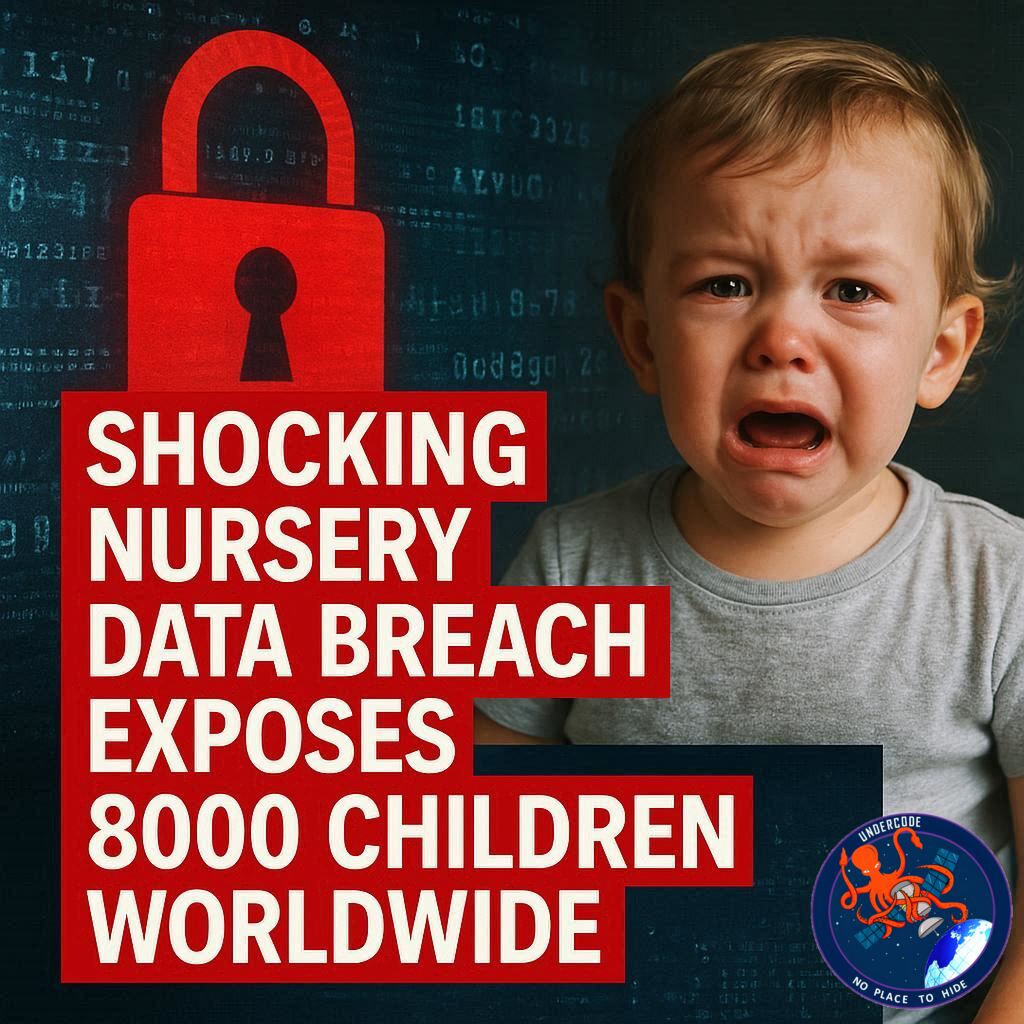
In a disturbing incident last week, a hacker group known as “Radiant” targeted the sensitive data of children from Kido nurseries operating in the UK, US, China, and India. Parents were left terrified after personal information, including names, addresses, and photos of thousands of children, was stolen and threatened to be released unless ransom demands were met. This incident has reignited debates around data privacy, cybercrime, and the risks facing families in a hyper-connected world.
The Breach: What Happened?
Last week, the hacker group “Radiant” claimed responsibility for stealing data related to approximately 8,000 children from Kido, a nursery chain with global operations. To prove they had the data, the criminals posted samples on the darknet, including profiles and photos of ten children, followed by additional profiles days later. They demanded ransom payments while threatening to release more sensitive data.
The group also targeted nursery employees, leaking private information such as addresses, National Insurance numbers, and contact details. Parents were directly contacted with threatening phone calls, intensifying the fear and urgency surrounding the attack.
Public backlash and criticism from the malware community pressured the attackers, who initially blurred the images but kept the data online. Eventually, they removed everything and issued a public apology, claiming to have deleted all the children’s information. However, experts warn that once online, data is rarely fully erased, echoing past cases like recovered “deleted” iPhone photos after updates.
The hackers reportedly purchased initial access from another criminal source, suggesting that even they might not profit from the breach. Their admission of regret is overshadowed by the enormous potential consequences for the families affected.
Protecting Yourself After a Data Breach 🛡️
Even after a breach is “resolved,” parents and employees must take proactive steps to safeguard their information:
Check vendor guidance – Follow instructions provided by Kido or any affected organization.
Change passwords – Use strong, unique passwords and consider a password manager.
Enable two-factor authentication (2FA) – Preferably FIDO2-compliant devices for better security.
Verify contacts – Hackers may impersonate vendors via phishing. Confirm legitimacy through official channels.
Be cautious – Phishing schemes often create false urgency; avoid rushing into actions.
Limit stored card info – Avoid saving payment details on websites.
Set up identity monitoring – Alerts can help detect if personal data is being traded illegally.
What Undercode Say: In-Depth Analysis 🔍
The Kido breach highlights the vulnerabilities of modern digital ecosystems, especially for organizations handling sensitive information about children. Several key insights emerge from this incident:
- Targeted Exploitation of Access: The attackers relied on an Initial Access Broker (IAB) to infiltrate Kido’s systems. This emphasizes the increasing role of cybercrime supply chains, where one group sells access to another for profit.
-
Psychological Warfare Against Parents: The direct threatening calls to parents demonstrate a shift in ransomware strategies. Modern cybercriminals now combine financial extortion with emotional manipulation, maximizing fear and compliance.
-
Inadequacy of “Data Deletion” Claims: The group claimed to have deleted all data, but cybersecurity experts stress that true deletion is almost impossible once data is shared online. Copies can exist on backups, caches, and darknet repositories.
-
Global Implications: With Kido operating in multiple countries, the breach underscores how international organizations face complex legal and regulatory challenges in responding to cyber incidents.
-
Public and Community Pressure as a Deterrent: Interestingly, backlash from the public and malware community caused the attackers to temporarily remove data. This shows that coordinated social pressure can influence criminal behavior, albeit unpredictably.
-
Employee Vulnerabilities: Beyond children, the leak of staff data highlights internal security lapses. Employee training, access control, and strict authentication protocols are critical to preventing secondary breaches.
-
Future of Ransomware Tactics: Attackers may continue to leverage personal and sensitive data against organizations with emotional leverage. Companies must adopt both technological and psychological defenses to protect stakeholders.
-
Importance of Vendor Communication: Organizations must provide clear, actionable guidance post-breach to mitigate panic, including identity monitoring tools, fraud alerts, and counseling for affected families.
-
Legal and Ethical Considerations: Regulators may impose fines and stricter data privacy rules. Organizations must prioritize transparency and compliance to prevent reputational and financial damage.
-
The Human Factor: Technology alone cannot solve these threats. Awareness, education, and proactive monitoring remain essential in a digital-first world.
This incident is a stark reminder that cybersecurity is not optional—it is a responsibility for every organization and individual dealing with sensitive information.
Fact Checker Results ✅❌
✅ Hackers claimed to steal data of 8,000 children.
✅ Public backlash influenced attackers to remove data temporarily.
❌ Full deletion of online data is nearly impossible despite hacker claims.
Prediction 🔮
Given the rise of emotionally manipulative ransomware attacks, we predict that future cybercriminals will increasingly target personal data involving vulnerable populations like children. Nurseries, schools, and family-focused organizations may face stricter cybersecurity regulations and proactive monitoring measures in response. Enhanced identity protection services and AI-driven anomaly detection systems are likely to become standard practice for all organizations handling sensitive information.
This breach serves as a wake-up call: the intersection of emotional vulnerability and digital exposure is a growing battleground in the fight against cybercrime.
🕵️📝✔️Let’s dive deep and fact‑check.
References:
Reported By: www.malwarebytes.com
Extra Source Hub:
https://www.quora.com
Wikipedia
OpenAi & Undercode AI
Image Source:
Unsplash
Undercode AI DI v2
🔐JOIN OUR CYBER WORLD [ CVE News • HackMonitor • UndercodeNews ]
📢 Follow UndercodeNews & Stay Tuned:
𝕏 formerly Twitter 🐦 | @ Threads | 🔗 Linkedin | 🦋BlueSky | 🐘Mastodon


