
Listen to this Post
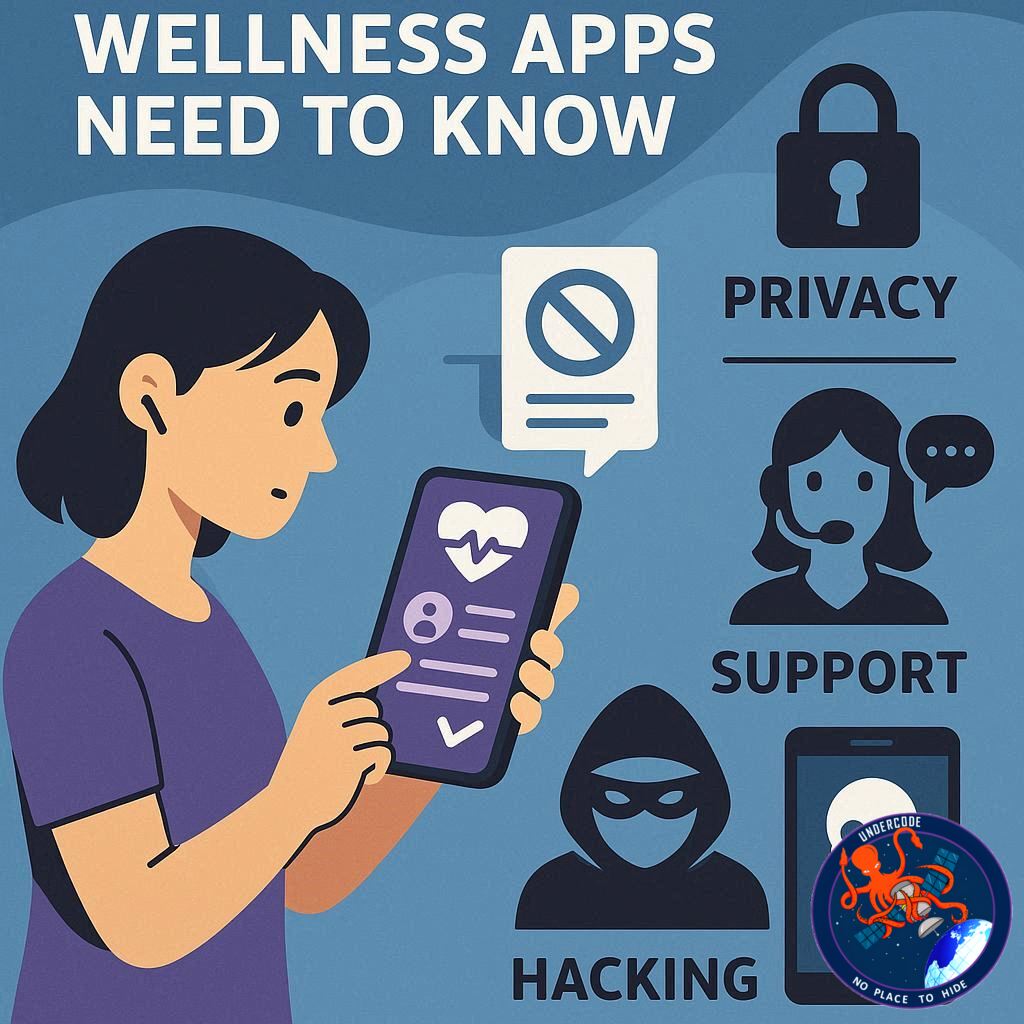
Introduction: The Double-Edged Sword of Wellness Apps
In today’s digital age, wellness apps are hailed as lifesavers for people trying to quit smoking, reduce alcohol consumption, or manage stress. They provide structure, motivation, and a sense of accountability that can make breaking unhealthy habits more achievable. Yet, behind the friendly dashboards and encouraging reminders lies a hidden side: the personal data these apps collect may be far more revealing than most users realize. Understanding these risks is crucial to protect your privacy while still benefiting from digital wellness support.
How Wellness Apps Support Your Journey
Wellness apps like Smoke Free, QuitSure, I Am Sober, Sunnyside, and BACtrack View combine habit tracking with mindfulness exercises, meditation, and goal-setting tools. They help users:
Track days sober or cigarettes avoided
Monitor moods and emotional triggers
Stay motivated with reminders and streaks
Pair habit tracking with wellness routines like meditation or journaling
These apps succeed in reducing isolation and boosting accountability. Many users report feeling supported and more in control of their habits, making them invaluable tools for personal growth.
The Hidden Privacy Risks
While the benefits are clear, these apps collect a surprising amount of data behind the scenes:
Personal Information: Names, emails, phone numbers, and sometimes location
Health Data: Smoking, drinking, sleep patterns, moods, triggers, and journal entries
Device & Usage Data: IP addresses, app activity, and feature usage
Sensitive Insights: Emotional check-ins, relapse notes, or trauma details
Even apps with the best intentions may inadvertently store more information than necessary or fail to secure it properly. This data can become a target for marketers, data brokers, or hackers, turning private wellness journeys into public commodities.
Real-World Examples of Data Misuse
Some wellness apps have already faced privacy breaches:
Tempest and Momentum: In 2023, these alcohol recovery apps shared mental health data with advertisers and third parties.
7 Minute Chi – Meditate & Move: Exposed over 100,000 users’ names and emails due to an unsecured database.
Quit Tracker: Stop Smoking: Collects location, app activity, and financial data, according to its Play Store listing.
Smoke Free: Retains identity, contact, and device data, sharing some with partners.
These incidents highlight the potential for personal information to be misused or exploited, emphasizing the importance of digital awareness.
How to Protect Your Privacy
You don’t need to abandon wellness apps to stay safe. Follow these steps:
Check Privacy Policies: Understand what data is collected and shared.
Limit Permissions: Only allow access to necessary features.
Monitor Digital Footprint: Tools like Bitdefender Digital Identity Protection alert you if your personal information appears in leaks or breaches.
Use Mindful Logging: Avoid sharing overly sensitive details if not necessary for your progress.
Keeping control of your data ensures that wellness apps remain tools for support, not sources of vulnerability.
What Undercode Say: Analytics and Insights
Wellness apps are undeniably valuable for habit change, but they occupy a complicated intersection between health support and data monetization. Analytics from app behavior suggest several trends:
- High User Engagement vs. High Data Collection: Apps with the most user-friendly interfaces often collect the most data. Features like streaks, mood tracking, and social sharing increase retention but also expand data capture.
- Psychological Profiling Risk: Data brokers can construct detailed profiles based on users’ emotional highs and lows, relapse patterns, and lifestyle habits. Targeted advertising may exploit these vulnerabilities.
- Long-Term Retention vs. Data Vulnerability: Apps often retain sensitive data for extended periods, sometimes years, increasing the potential impact of breaches.
- User Awareness Gap: Most users assume wellness apps are private, which creates a mismatch between perceived and actual privacy protection.
- Integration With Other Health Platforms: Fitness trackers and meditation apps often sync with smartphones or wearable devices, compounding the amount of data collected.
- Encryption and Security Standards Vary Widely: Some apps prioritize strong encryption, while others lag behind, leaving sensitive information exposed.
- Third-Party Sharing: Many wellness apps share data with advertisers, analytics firms, or partners, sometimes without explicit user consent.
- Potential Legal and Regulatory Risks: Privacy laws like GDPR and CCPA partially mitigate risks but enforcement and user awareness remain inconsistent.
- Impact on Mental Health: Users may experience stress knowing their intimate behavioral patterns are tracked or could be exposed.
- Market Opportunity for Privacy-Focused Apps: Rising awareness has created a niche for apps that prioritize privacy without compromising support.
Overall, analytics show that while wellness apps can genuinely help users, careful scrutiny of privacy policies and user practices is essential to ensure these tools remain empowering rather than exploitative.
Fact Checker Results ✅❌
✅ Many wellness apps collect personal, health, and usage data.
❌ Not all apps misuse data, but breaches and third-party sharing are real risks.
✅ Users can mitigate exposure through careful monitoring and privacy-conscious app selection.
Prediction 🔮
As digital wellness continues to grow, privacy-focused apps are likely to dominate the market. Users will increasingly demand transparency, data minimization, and encryption. We may also see stricter regulations, driving companies to prioritize secure data handling and clear consent mechanisms. In the next few years, habit-tracking tools may evolve to combine AI-driven personalized support with robust privacy safeguards, making wellness both effective and safe.
🕵️📝✔️Let’s dive deep and fact‑check.
References:
Reported By: www.bitdefender.com
Extra Source Hub:
https://www.reddit.com/r/AskReddit
Wikipedia
OpenAi & Undercode AI
Image Source:
Unsplash
Undercode AI DI v2
🔐JOIN OUR CYBER WORLD [ CVE News • HackMonitor • UndercodeNews ]
📢 Follow UndercodeNews & Stay Tuned:
𝕏 formerly Twitter 🐦 | @ Threads | 🔗 Linkedin | 🦋BlueSky | 🐘Mastodon


