
Listen to this Post
Introduction
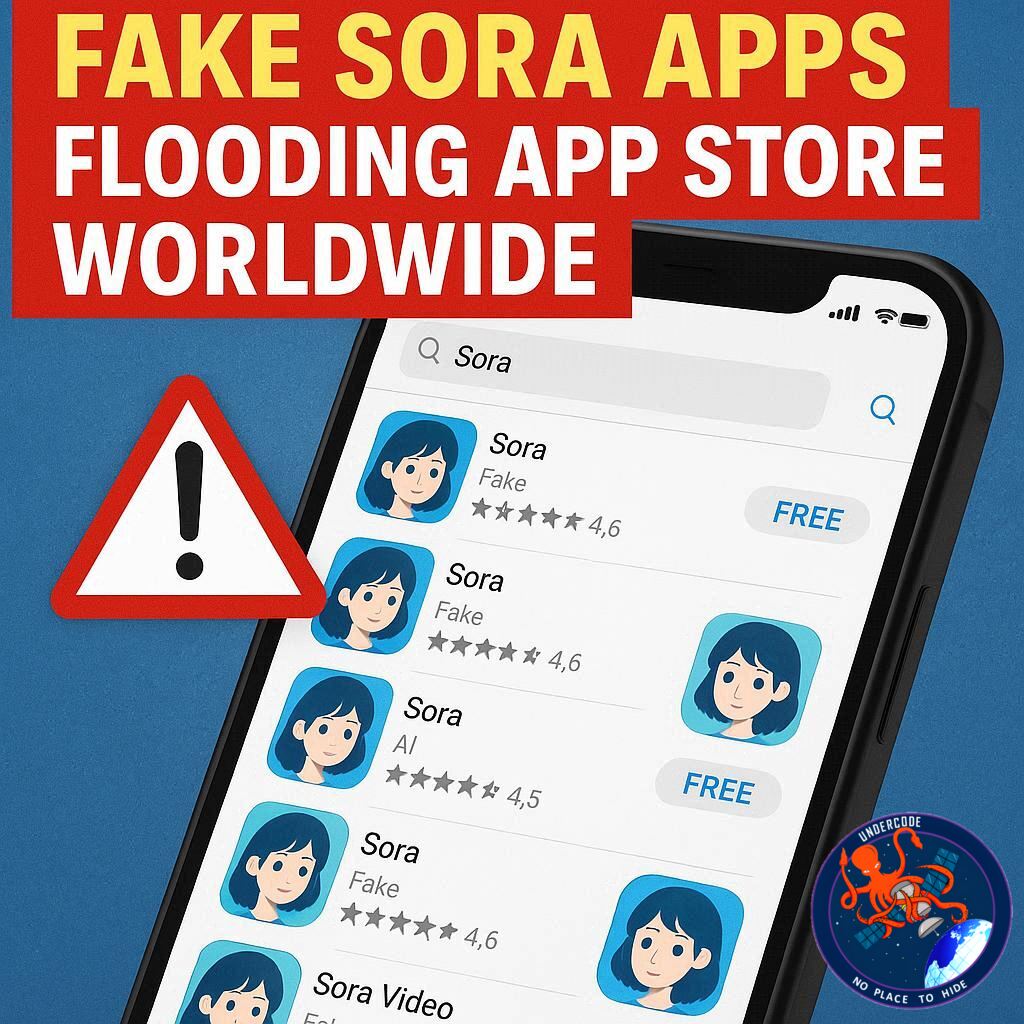
OpenAI’s highly anticipated Sora app has been making headlines as a revolutionary AI video generator. However, while the official app is only available in the US and Canada, users around the globe searching for it on the App Store are running into a flood of fake clones. These apps, cleverly disguised with names, logos, and even references to AI models, are capitalizing on the hype and confusion—often tricking unsuspecting users into costly subscriptions.
The Global Flood of Sora Clones
The sudden appearance of “Sora 2: AI Video Generator” on the App Store has sparked attention after being spotted by John Gruber of Daring Fireball. Despite being unofficial, the app quickly shot up the rankings, holding the 9th spot in the “Top Photo & Video” category.
But this isn’t an isolated case. A simple search for “Sora 2” reveals dozens of similar apps—some shamelessly using OpenAI’s logo, others name-dropping Google’s Veo 3 model. Each of these impostors comes with in-app purchases and steep weekly subscriptions, luring users into spending money on apps that have nothing to do with OpenAI.
The issue is compounded by the fact that many users outside North America don’t realize the official app isn’t available to them yet. This makes it incredibly easy for clones to deceive people who are eager to try the latest AI trend.
This situation is hardly unique. History has shown us that every major tech breakthrough is followed by a wave of opportunistic scams and copycats. Yet the stakes feel higher now, given the buzz around AI and the trust users place in names like OpenAI and Google.
Meanwhile, as excitement grows for Sora’s worldwide release, consumers are being urged to remain cautious and verify app authenticity before downloading.
What Undercode Say: 🧐
The fake Sora apps storming the App Store highlight a broader issue in today’s digital marketplace: the exploitation of hype-driven technology trends. Let’s break down the bigger picture:
Hype Exploitation: Every new innovation attracts opportunists. From crypto to NFTs to AI, scammers know excitement often blinds users to warning signs.
App Store Oversight Issues: Apple’s App Store prides itself on security and curation, yet clone apps manage to slip through repeatedly. This raises concerns about how effectively these platforms can protect users.
User Vulnerability: Not every consumer follows tech news closely. Many assume that if an app ranks highly or looks professional, it must be legitimate. This lack of awareness is exactly what scammers rely on.
Subscription Traps: Weekly subscription fees are a red flag. Legitimate services rarely charge in such small, frequent cycles. Scammers, however, use this model to maximize profit before users cancel.
Global Misinformation: Since OpenAI limited Sora’s rollout to the US and Canada, millions worldwide are searching for alternatives. This creates a perfect storm for copycats to thrive in markets hungry for access.
Brand Misuse: The fact that some fake apps blatantly use OpenAI’s logo shows both boldness and the limitations of App Store policing. Stronger enforcement is clearly needed.
Pattern Recognition: The same wave of clones happened with ChatGPT apps before the official mobile release. This isn’t a one-time issue—it’s a repeating cycle tied to every OpenAI product launch.
Trust at Risk: Each fake app that tricks a user doesn’t just harm the individual—it damages OpenAI’s reputation indirectly. Users may believe they tried “Sora” and were disappointed, not realizing it wasn’t real.
Economic Exploitation: Beyond inconvenience, these scams funnel millions of dollars globally through deceptive subscriptions. This is digital pickpocketing at scale.
Need for Education: Tech literacy is the best defense. Users need to be taught to verify app developers, read reviews, and understand official release announcements.
Ultimately, this situation underscores a cat-and-mouse game between innovators and scammers. As OpenAI pushes boundaries, opportunists will continue to chase behind, leaving platforms like Apple to decide how tightly they want to police their storefronts.
Fact Checker Results ✅❌
✅ The official OpenAI Sora app is available only in the US and Canada.
❌ Apps using “Sora 2” on the App Store are not connected to OpenAI.
✅ Many fake apps include expensive weekly subscription traps.
Prediction 🔮
As AI adoption skyrockets, fake apps will only grow more sophisticated. Expect future scams to include AI-generated fake reviews, cloned developer names, and even deepfake promotional videos. Apple and Google will be forced to tighten their approval processes, while users will need to stay increasingly vigilant. When OpenAI finally launches Sora globally, the demand will explode—but so will the scammer ecosystem, making digital literacy more critical than ever.
🕵️📝✔️Let’s dive deep and fact‑check.
References:
Reported By: 9to5mac.com
Extra Source Hub:
https://www.quora.com
Wikipedia
OpenAi & Undercode AI
Image Source:
Unsplash
Undercode AI DI v2
🔐JOIN OUR CYBER WORLD [ CVE News • HackMonitor • UndercodeNews ]
📢 Follow UndercodeNews & Stay Tuned:
𝕏 formerly Twitter 🐦 | @ Threads | 🔗 Linkedin | 🦋BlueSky | 🐘Mastodon


