
Listen to this Post
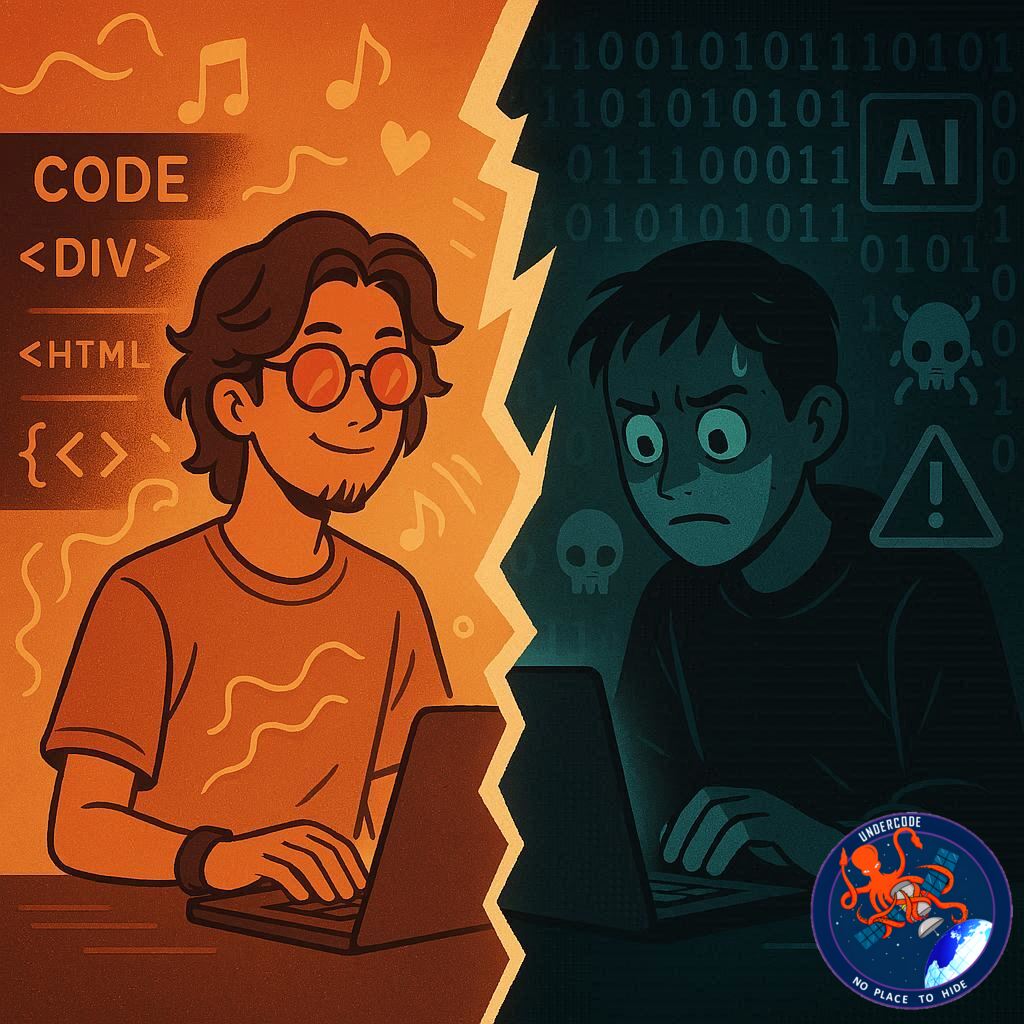
The Rise and Risks of Vibe Coding
Artificial intelligence has reshaped the way developers build software. The latest trend, known as “vibe coding”, allows programmers to use natural language to command large language models (LLMs) such as Google’s Gemini to generate code automatically. This process promises speed and efficiency, but it also brings serious security and ethical concerns.
In a recent survey conducted by Dark Reading, nearly a thousand readers revealed their mixed experiences with vibe coding. While 24% of them reported improvements in productivity and code quality, 76% said they avoided it — mostly due to security fears. The biggest concern? AI-generated vulnerabilities and hallucinated code that can slip past even experienced engineers.
The technology’s potential cannot be denied. As Snyk CTO Danny Allan highlighted, almost every customer he met in the past three months had experimented with some form of AI-assisted coding. But despite its growing presence, experts warn that vibe coding can be a double-edged sword — capable of enhancing productivity while simultaneously exposing organizations to cybersecurity disasters.
When developers depend too heavily on AI-generated code without proper validation, they risk introducing hidden bugs, insecure dependencies, and compliance violations. This concern is echoed by Rik Turner, chief cybersecurity analyst at Omdia, who notes that “shadow vibe” — developers quietly using unauthorized AI tools — is a growing threat. Some developers, eager to bypass bureaucracy, integrate these unapproved tools into production environments, often without informing their security teams.
The results can be catastrophic. According to IBM’s 2025 Cost of a Data Breach Report, one in five organizations experienced a cyberattack linked to “shadow AI.” Those incidents cost companies an average of $670,000 more than breaches in environments with little or no shadow AI. These numbers underline the financial weight of unmonitored AI experimentation.
The message is clear: while AI can empower developers, responsibility and governance must remain central. Experts urge companies to establish clear frameworks, peer-review protocols, and strict data handling policies. Following the UK government’s AI coding assistant guidelines, teams are advised to stay aware of AI’s limitations, verify all generated code, and keep human oversight in every phase of development.
AI may never completely replace skilled human coders, but it can be a valuable partner — if managed wisely. Developers who “vibe code responsibly” can enjoy the benefits of automation without compromising their organization’s integrity.
What Undercode Say:
The adoption of vibe coding marks one of the most controversial shifts in modern software engineering. The enthusiasm for AI-powered coding tools mirrors the same early excitement that surrounded automation in manufacturing — a rush to efficiency often followed by years of fixing its unintended consequences.
From an analytical standpoint, vibe coding represents a cultural transformation more than a technological one. Developers are now balancing between creative autonomy and algorithmic assistance. The tension between innovation and security isn’t new, but LLMs have magnified it exponentially. When a machine starts writing critical code, the traditional boundaries of accountability blur. Who owns the bugs? Who takes responsibility when AI-generated code fails compliance checks or exposes customer data? These are not hypothetical questions anymore.
The 24% who reported success with vibe coding are likely operating within controlled environments, where human review remains part of the workflow. This hybrid model — human validation over AI output — may be the only sustainable path forward. The remaining 76% either lack the infrastructure or the confidence to manage AI risks effectively. Their hesitation isn’t conservatism; it’s caution born from reality. AI hallucinations, dependency confusion attacks, and licensing ambiguities in generated code are genuine threats.
The rise of “shadow vibe” development, where employees secretly deploy AI tools, shows how corporate governance often lags behind technological innovation. This quiet rebellion reveals that developers want efficiency, but leadership hasn’t provided safe, sanctioned ways to explore it. Until enterprises bridge this gap, security will continue to chase innovation, always one step behind.
Moreover, IBM’s findings about costlier breaches linked to shadow AI hint at a deeper systemic issue: a lack of visibility. Cybersecurity depends on knowing what runs in your environment. The moment AI-generated components sneak in unnoticed, the attack surface expands. For many organizations, this isn’t just a technical problem — it’s a governance crisis.
In practical terms, vibe coding could thrive under strict guardrails. Teams that implement continuous code audits, vulnerability scans, and AI transparency logs can mitigate much of the risk. Yet the key challenge remains: teaching AI to understand context and intent. An LLM may write syntactically perfect code, but it cannot fully grasp business logic, ethical implications, or regulatory nuances. That’s why human expertise remains irreplaceable.
The future will not be about humans versus AI, but about collaboration. Developers who treat AI like a junior assistant — helpful but unreliable without review — will extract its true value. On the other hand, organizations that hand over full creative control to LLMs risk turning their software pipelines into ticking time bombs.
Ultimately, vibe coding should be viewed as a tool of augmentation, not automation. When used responsibly, it can accelerate repetitive coding tasks, reduce burnout, and increase experimentation. When misused, it becomes a shortcut to chaos. The success stories emerging today are those that treat AI as a partner, not a savior.
Fact Checker Results
✅ Security Risks Real: Verified by IBM’s 2025 breach report.
⚠️ Shadow Vibe Use Common: Confirmed by Omdia analyst Rik Turner.
❌ AI Can’t Replace Humans Yet: No credible data supports full automation success.
Prediction 🔮
Over the next three years, vibe coding will evolve into a regulated discipline. Enterprises will adopt “AI Governance Frameworks” requiring transparency, code audits, and traceable AI logs. Developers will still vibe-code, but under structured supervision — blending creativity with compliance. The companies that master this balance will define the next generation of secure, AI-driven software development.
🕵️📝✔️Let’s dive deep and fact‑check.
References:
Reported By: www.darkreading.com
Extra Source Hub:
https://stackoverflow.com
Wikipedia
OpenAi & Undercode AI
Image Source:
Unsplash
Undercode AI DI v2
🔐JOIN OUR CYBER WORLD [ CVE News • HackMonitor • UndercodeNews ]
📢 Follow UndercodeNews & Stay Tuned:
𝕏 formerly Twitter 🐦 | @ Threads | 🔗 Linkedin | 🦋BlueSky | 🐘Mastodon


