
Listen to this Post
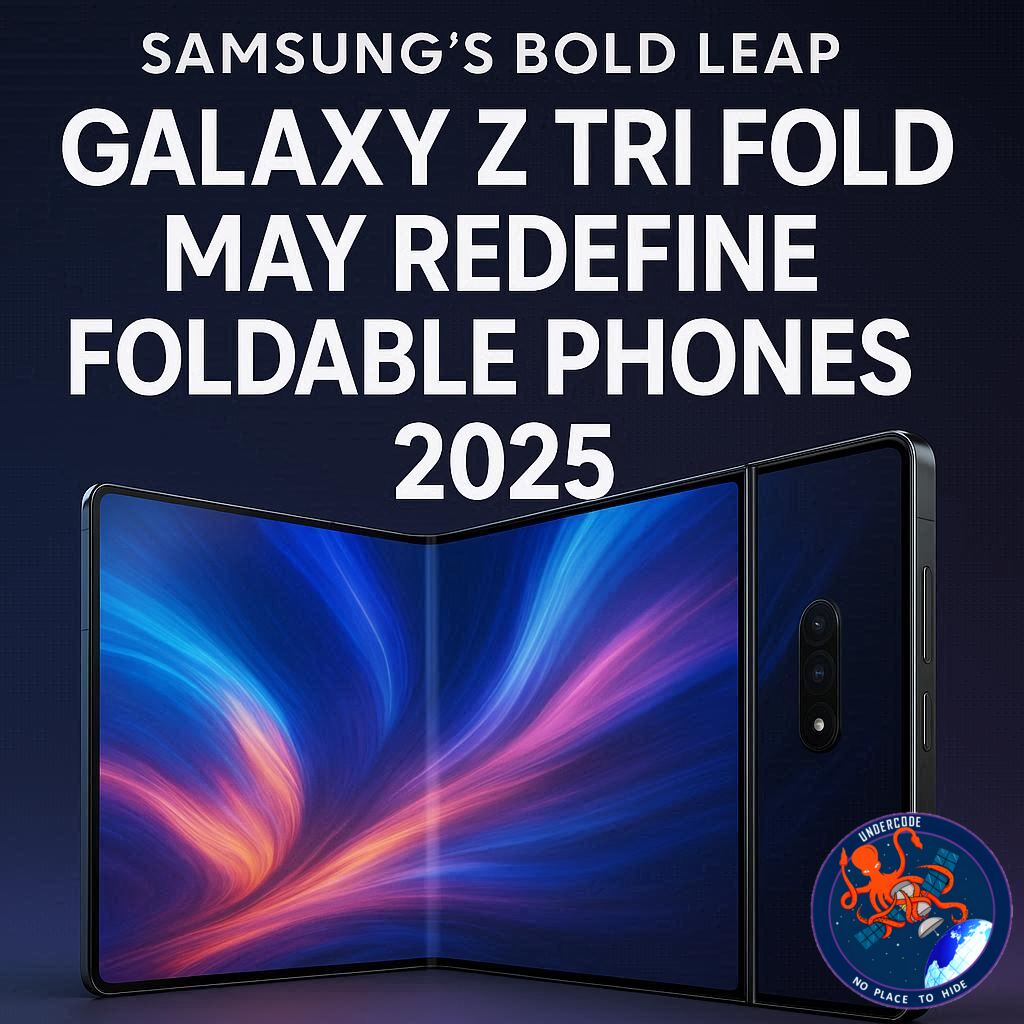
The Future of Folding Technology Unfolds
Samsung’s next big innovation — the Galaxy Z TriFold — could completely change the way we view smartphones and tablets. Based on recent KIPRIS patent leaks, this highly anticipated device appears to feature not one, not two, but three folding panels powered by three distinct batteries. The discovery paints a fascinating picture of Samsung’s ongoing quest to dominate the foldable tech industry.
📰 the Original Report
A recently published KIPRIS patent has given us the clearest look yet at Samsung’s mysterious Galaxy Z TriFold, a next-generation foldable that may surpass the Galaxy Z Fold 7. Unlike its predecessors, this new device is designed with three connected segments, each hosting its own battery.
The camera housing segment contains the smallest battery.
The middle panel, which carries the cover display, houses the medium-sized cell.
The final inner panel, nestled between the other two when folded, holds the largest battery — ensuring overall balance and longevity.
While the exact battery capacities and charging speeds remain undisclosed, the patent sketches showcase a fully realized prototype, indicating Samsung is nearing production readiness.
Rumors suggest the Galaxy Z TriFold will boast:
A Snapdragon 8 Elite chip
Up to 16GB RAM
A 200MP primary camera, a 12MP ultrawide, and a 50MP telephoto lens with 5x optical zoom
A Dynamic AMOLED 2X display roughly 10 inches when unfolded — resembling a compact tablet
Reports hint that Samsung could officially unveil the device by late October 2025, though its initial release may be limited to select markets such as China and South Korea, similar to the earlier Fold SE strategy.
📊 What Undercode Say: Analytical Insights
The Galaxy Z TriFold represents Samsung’s strategic pivot from simple foldables toward multi-fold, multifunctional hybrids. This evolution aligns with the global tech market’s increasing appetite for versatile productivity tools that merge smartphone portability with tablet-sized usability.
1. Design Innovation:
The tri-fold structure is a major design leap — more complex than dual folds — requiring sophisticated hinge mechanisms and reinforced OLED panels. This design may mark Samsung’s shift toward a new category: pocketable tablets.
2. Battery Engineering Challenge:
The use of three batteries isn’t just a gimmick. It solves the issue of power distribution and heat management across multiple folding sections. Samsung appears to prioritize balanced energy flow, likely ensuring longer screen-on time and improved thermal control.
3. Hardware Optimization:
The rumored Snapdragon 8 Elite processor and 16GB RAM configuration suggest Samsung’s intent to make this not only a productivity powerhouse but also a gaming-grade device capable of handling multitasking and high-refresh-rate visuals with ease.
4. Display Experience:
With an unfolded 10-inch AMOLED 2X display, users can expect a tablet-level workspace, enhanced for streaming, drawing, and note-taking. The wider aspect ratio promises a more immersive cinematic view — a clear win for content consumers.
5. Camera Excellence:
The triple-lens setup — including a 200MP main sensor — indicates Samsung’s ongoing push to lead mobile photography. The integration of telephoto and ultrawide capabilities shows that even in a foldable form, camera performance won’t be compromised.
6. Market Strategy:
Samsung’s plan to release the Z TriFold in limited regions first signals cautious market testing. By launching in China and Korea, the company can gauge user reactions, refine production, and manage potential hardware concerns before a global rollout.
7. Competitive Landscape:
With competitors like Huawei, Honor, and Xiaomi accelerating their own multi-fold designs, Samsung’s early move could reaffirm its dominance in the premium foldable space.
8. User Impact:
The Z TriFold could redefine everyday tech habits — blending work, entertainment, and portability into a single futuristic device. It may also open new app development opportunities for multi-panel UI experiences, enhancing user interaction possibilities.
9. Economic Implication:
Pricing may surpass the $2,000 USD mark due to its engineering complexity, yet Samsung’s brand trust and innovation track record could still secure strong early adoption among tech enthusiasts and professionals.
10. Sustainability and Durability:
With foldables still battling concerns about screen creases and hinge longevity, Samsung’s success will depend on whether it has mastered next-gen flexible glass and durable hinge alloys to justify the premium price tag.
✅ Fact Checker Results
All available data on the Galaxy Z TriFold originates from official KIPRIS patent filings and reputable leaks via GalaxyClub and SamMobile. No speculative claims about final specs have been officially confirmed by Samsung. As of now, all details remain credible but unverified pending Samsung’s announcement.
🔮 Prediction
Samsung’s Galaxy Z TriFold could usher in a new phase of mobile evolution — the era of tri-fold hybrids. Expect this design to influence future device categories, merging smartphones, tablets, and even laptops into seamless all-in-one systems. If Samsung succeeds, by 2026, we might see tri-fold tech become the industry’s next major trend, setting the benchmark for how we interact with screens forever.
🕵️📝✔️Let’s dive deep and fact‑check.
References:
Reported By: www.sammobile.com
Extra Source Hub:
https://www.stackexchange.com
Wikipedia
OpenAi & Undercode AI
Image Source:
Unsplash
Undercode AI DI v2
🔐JOIN OUR CYBER WORLD [ CVE News • HackMonitor • UndercodeNews ]
📢 Follow UndercodeNews & Stay Tuned:
𝕏 formerly Twitter 🐦 | @ Threads | 🔗 Linkedin | 🦋BlueSky | 🐘Mastodon


