
Listen to this Post
A Fresh Start for Windows 11 Users
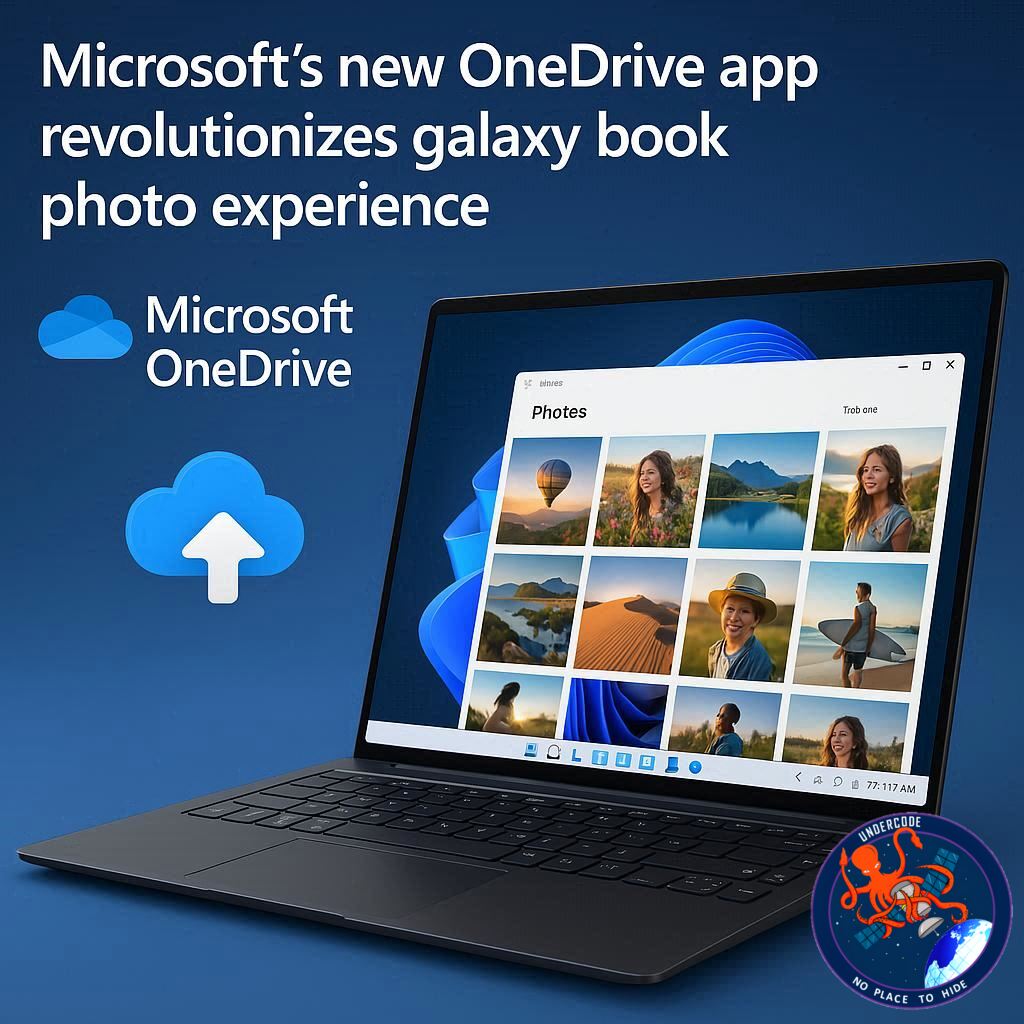
Microsoft is preparing a major update that could redefine how Galaxy Book users manage and edit their photos. The upcoming OneDrive app, designed with a sleek and modern interface, promises a gallery experience that feels like it was built for touchscreens. From AI photo recognition to offline editing, this is not just another cloud app—it’s a smarter, more flexible photo management tool built for the future of Windows 11.
the Original
Samsung enthusiasts and Windows 11 users have exciting news ahead. Microsoft is testing a brand-new OneDrive app, tailor-made for devices like the Galaxy Book. Unlike its previous versions, this app introduces a massively improved photo viewer and editor with AI integration, face recognition, and a modern UI inspired by mobile gallery apps.
The new OneDrive allows users to view, organize, and edit photos stored directly on their device—no cloud upload required. However, those who prefer cloud backup will enjoy Copilot integration, enabling them to ask AI-powered questions such as “Show photos from my last vacation” or “Find images of family gatherings.”
The app features easy-to-navigate tabs—Albums, Favorites, Gallery, Moments, People, and This PC—making browsing intuitive and fun. Especially impressive is the People tab, which uses face detection to automatically group photos by person, streamlining organization for family albums and events.
Microsoft has also announced AI-powered photo enhancements, including sharpening blurry images, removing duplicates, and transforming pictures into artistic animations. Beyond Windows, a parallel mobile version for Android and iOS ensures seamless syncing between devices, especially useful for those in the Galaxy ecosystem.
In essence, Microsoft aims to make OneDrive a universal photo hub—smart, creative, and connected—while still giving users control over where their data lives.
What Undercode Say: 💻
Microsoft’s approach to integrating AI and local photo management is not just a design refresh—it’s a strategic shift. Let’s break down what this means in the broader tech landscape.
The new OneDrive app bridges a long-standing gap between local storage flexibility and cloud intelligence. For years, photo management apps forced users into cloud dependency. By allowing users to edit locally while still offering optional AI tools through Copilot, Microsoft delivers the best of both worlds.
From an analytical perspective, this move reflects Microsoft’s growing emphasis on user privacy and control. Competing platforms like Google Photos and Apple Photos heavily rely on cloud ecosystems. In contrast, Microsoft’s hybrid model caters to users who prefer autonomy over their data but still want the benefits of AI assistance.
Another interesting layer lies in the interface evolution. The design draws inspiration from smartphone gallery apps, showing Microsoft’s awareness that today’s users expect cross-platform familiarity. This approach enhances the Galaxy Book’s usability—especially its touchscreen features—by making desktop photo browsing as intuitive as on a phone.
Additionally, Copilot’s integration transforms OneDrive into a searchable, conversational photo assistant. Instead of endlessly scrolling, users can simply ask:
“Show all photos with my dog at the beach.”
This AI-human interaction mirrors the growing trend in 2025 where contextual search meets natural language processing.
On the competitive front, Microsoft’s timing is deliberate. With Google showcasing its Gemini AI photo capabilities, Microsoft positions OneDrive as the Windows-centric alternative, emphasizing productivity, synchronization, and privacy.
For Galaxy Book users, this update feels like a tailored gift. The app turns their devices into creative studios—capable of organizing, enhancing, and storytelling without complex workflows. It’s also a quiet nod to Samsung and Microsoft’s deepening partnership, bridging ecosystems between Windows PCs and Galaxy smartphones.
In the broader digital ecosystem, this move might even redefine how hybrid AI tools function across local and cloud data. It’s no longer about where data is stored—but how smartly it can be used.
✅ Fact Checker Results
✔️ Microsoft is officially developing the new OneDrive app for Windows 11, expected to release in 2026.
✔️ The app includes AI editing, face recognition, and Copilot integration as confirmed by early test builds.
✔️ Users will indeed be able to use most features without uploading photos to the cloud.
🔮 Prediction
The next generation of OneDrive could evolve into a central AI media hub, merging files, images, and videos under one intelligent interface. Expect deeper Copilot personalization, better cross-device syncing, and expanded offline AI editing—potentially transforming OneDrive into the ultimate photo management tool for both Windows and Galaxy users worldwide. 🌐
🕵️📝✔️Let’s dive deep and fact‑check.
References:
Reported By: www.sammobile.com
Extra Source Hub:
https://stackoverflow.com
Wikipedia
OpenAi & Undercode AI
Image Source:
Unsplash
Undercode AI DI v2
🔐JOIN OUR CYBER WORLD [ CVE News • HackMonitor • UndercodeNews ]
📢 Follow UndercodeNews & Stay Tuned:
𝕏 formerly Twitter 🐦 | @ Threads | 🔗 Linkedin | 🦋BlueSky | 🐘Mastodon


