
Listen to this Post
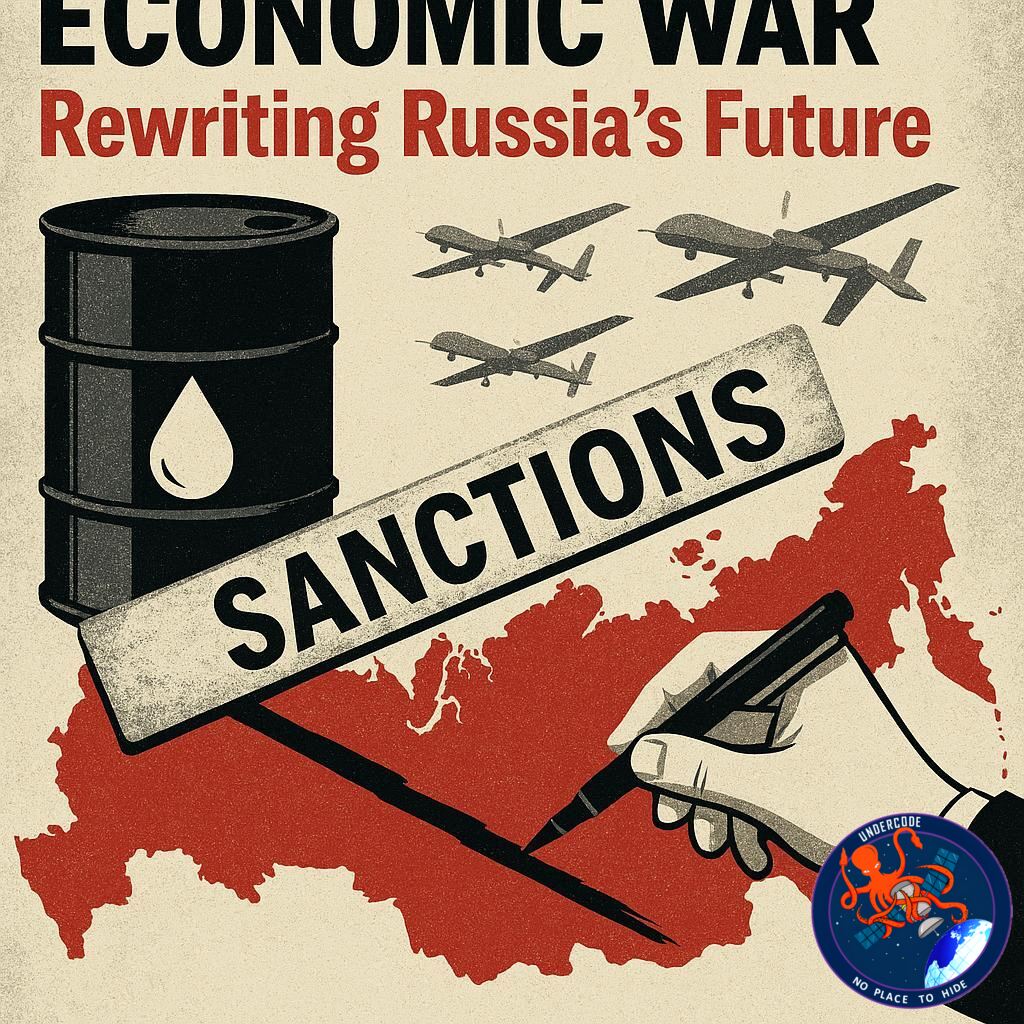
🌍 Introduction: The Costly Battle Beyond the Battlefield
Three and a half years after Russia’s full-scale invasion of Ukraine, the war has entered a grinding phase where neither side holds a decisive advantage. With military fronts frozen and diplomatic efforts stalled, Ukraine’s Western allies are shifting focus toward economic warfare — an effort to tighten sanctions, cut off Kremlin funding, and make Moscow’s war machine unsustainable. This economic chess game now defines the new front line of the conflict.
💸 the Situation
Despite facing eighteen rounds of EU sanctions and dozens more from the U.S. and the U.K., Russia’s economy has shown surprising resilience. Massive military spending fueled over 4% growth between 2023 and 2024, but signs of strain are emerging. Inflation is climbing toward 7%, interest rates hover at a punishing 17%, and government deficits are widening.
To sustain its war effort, Moscow has turned inward — increasing taxes and funneling public funds directly into defense. A rise in value-added tax (VAT) from 20% to 22% will primarily fund military and security sectors, symbolizing the Kremlin’s willingness to sacrifice consumer comfort for battlefield endurance.
Still, cracks are forming. Falling oil and gas revenues — Russia’s lifeblood — have dented state income, and the burden of war spending now rests heavily on its citizens. Analysts suggest smarter, more targeted sanctions may finally pressure Moscow to reconsider its long-term war ambitions.
One radical proposal, the U.S. “Sanctioning Russia Act,” could impose a 500% tariff on Russian energy exports. Though politically unlikely due to global oil market dependencies, even a smaller “secondary tariff” could generate billions to fund Ukraine’s defense. Meanwhile, European leaders are discussing a bold plan to use Russia’s frozen assets as collateral for a €140 billion ($162 billion) loan to Kyiv — a move that would strengthen Ukraine’s financial resilience and send a strong political message to the Kremlin.
Experts also highlight less obvious pressure points, such as encouraging the brain drain from Russia to exacerbate labor shortages. Since many skilled workers have already fled, this strategy could deepen economic stagnation and drive inflation higher.
Beyond sanctions, Ukraine itself has found a powerful weapon: drones. Kyiv’s precise strikes on Russian oil refineries have crippled nearly 38% of refining capacity, slashing profits and causing domestic fuel shortages. These attacks disrupt the economy, reduce export earnings, and, more symbolically, expose vulnerabilities in Putin’s seemingly untouchable industrial network.
Putin’s response to potential U.S. missile support for Ukraine — warning it would destroy U.S.-Russia relations — reflects growing anxiety in Moscow. The real fear may not be diplomatic isolation, but the accelerating erosion of Russia’s economic stability under sustained Western and Ukrainian pressure.
⚙️ What Undercode Say:
The global economic battlefield is now as critical as the one in Donetsk or Kherson. From a macroeconomic perspective, the war has become a stress test of Russia’s fiscal endurance versus the West’s sanctioning stamina.
The Kremlin’s 17% interest rate is a double-edged sword: it curbs inflation but suffocates investment and consumer spending. A 1% GDP growth forecast for 2025 is effectively stagnation, signaling that the era of wartime expansion may be ending.
The increase in VAT represents a tactical move — a domestic tax weapon turned inward. However, it also highlights systemic weakness. Higher taxes reduce disposable income, suppress private consumption, and risk social discontent. Russia’s citizens, already strained by inflation and limited imports, are being asked to bankroll a war they have little say in.
Meanwhile, sanctions enforcement remains a gaping hole. Reports of over 100,000 Western-made parts found in Russian missiles and drones underscore the failure to close loopholes. Without punishing violators — both corporations and nations — sanctions risk turning symbolic rather than strategic.
The European Union’s idea of using frozen Russian assets as financial leverage is both innovative and risky. It sets a legal precedent for redirecting seized foreign reserves, potentially reshaping international law around wartime reparations. If executed, the $162 billion loan plan would make Ukraine’s economy more durable and psychologically undercut Russia’s belief in Western fatigue.
Drone warfare adds a new economic calculus. By striking refineries and energy infrastructure, Ukraine is effectively weaponizing Russia’s own dependencies. A shortage of refined fuel forces Moscow to export more crude at lower margins, cutting profits and amplifying inflation. Each successful strike, therefore, has a multiplier effect — disrupting logistics, reducing revenues, and amplifying panic among Russian industrial planners.
Putin’s rhetoric about “long-term planning” signals a grim acceptance of a drawn-out economic siege. Yet, sustaining a militarized economy in a shrinking demographic environment is unsustainable. Russia’s brain drain — its engineers, programmers, and scientists leaving for Europe or Central Asia — represents a hidden hemorrhage that no propaganda can reverse.
From a geopolitical lens, this economic war is evolving into a long-haul standoff — one measured not by tank counts but by currency reserves, oil output, and workforce mobility. The sanctions may not end the war overnight, but they are eroding the economic foundations that support it.
If the West remains united and strategically adaptive — tightening enforcement, leveraging frozen assets, and coordinating technology export bans — it could transform Russia’s economic resilience into vulnerability.
✅ Fact Checker Results
Russia’s 4% growth between 2023–2024 is confirmed by multiple independent economic reports.
The proposed €140 billion loan from frozen Russian assets is based on verified EU discussions.
Estimates of 38% refinery damage from Ukrainian drone strikes are credible but vary by source.
🔮 Prediction
Looking ahead, Russia faces an economic winter colder than any it has endured in decades. By mid-2026, analysts predict continued inflation pressure, stagnant growth, and increasing public fatigue with rising taxes. Unless Moscow diversifies its economy and de-escalates militarization, sanctions — and Ukraine’s precision drone campaign — could push it toward financial paralysis by 2027.
The true turning point won’t be on the battlefield, but in the balance sheets of the Kremlin’s crumbling economy.
🕵️📝✔️Let’s dive deep and fact‑check.
References:
Reported By: edition.cnn.com
Extra Source Hub:
https://www.github.com
Wikipedia
OpenAi & Undercode AI
Image Source:
Unsplash
Undercode AI DI v2
🔐JOIN OUR CYBER WORLD [ CVE News • HackMonitor • UndercodeNews ]
📢 Follow UndercodeNews & Stay Tuned:
𝕏 formerly Twitter 🐦 | @ Threads | 🔗 Linkedin | 🦋BlueSky | 🐘Mastodon


