
Listen to this Post
🔍 Introduction: macOS 26 Sparks a Wave of Performance Chaos
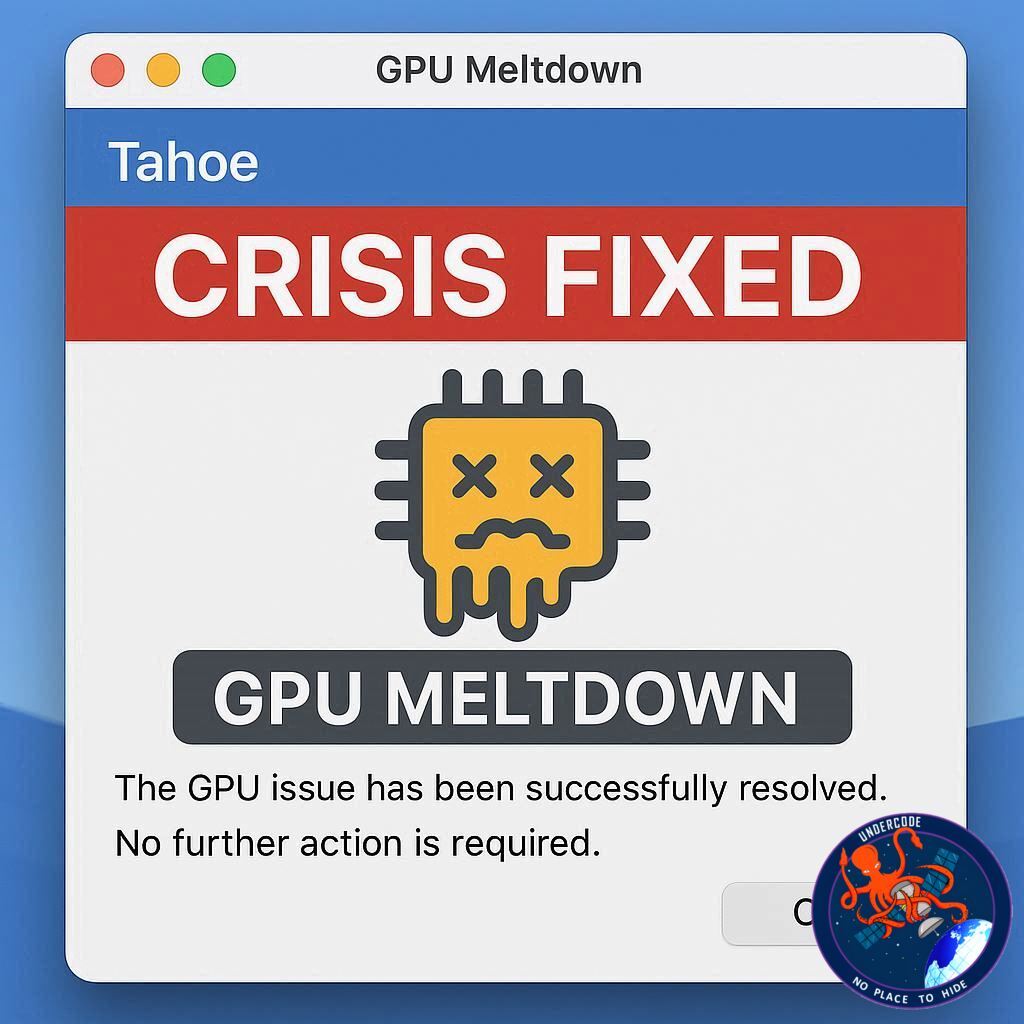
The highly anticipated release of macOS 26 “Tahoe” came with sleek visuals and optimized performance promises, but it also brought unexpected trouble for millions of users. Shortly after its launch, Mac owners began reporting massive GPU slowdowns and system overheating, especially when running popular apps like Discord, Slack, and Visual Studio Code. The culprit? A hidden private API misuse deep inside the Electron framework—a backbone technology powering many cross-platform desktop applications.
This sudden issue triggered widespread frustration across the developer community. But after weeks of technical digging, the Electron team has released a crucial patch, restoring performance and stability for affected apps. Let’s break down what went wrong, how it’s being fixed, and what users can expect next.
💻 The Full Story: From Chaos to Cure
The problem began when Electron, the open-source framework powering major apps like Discord, Slack, Notion, and Figma, was found using a private Apple API called cornerMask. This API wasn’t officially documented for third-party developers, which made it risky to depend on. Under previous macOS versions, the framework functioned fine—but when macOS 26 Tahoe arrived, Apple changed how that private API behaved.
As a result, any Electron app using that API suddenly saw massive GPU spikes, battery drain, and heat surges. MacBooks that once ran cool started sounding like jet engines, with fans roaring as apps slowed to a crawl.
Users took to social media, forums, and GitHub threads, demanding answers. Developers quickly realized that the core of the issue wasn’t their individual apps—but Electron itself.
Thankfully, the Electron team reacted fast, removing the private API from the latest build. The new update has started rolling out across major apps.
According to ShameElectron, a tracker that monitors Electron updates, apps like Claude, Discord, Docker Desktop, Figma, GitHub Desktop, MongoDB Compass, Notion, Obsidian, Pocket Casts, Signal, Slack, and Visual Studio Code have already patched their versions.
However, others such as 1Password, Bitwarden, Dropbox, Cursor, and Windsurf still lag behind. Users of these apps may continue facing performance degradation until the update is deployed.
If your Mac is overheating or lagging since installing macOS 26, check which Electron apps are open and ensure they’re up to date. A single outdated app can dramatically impact GPU performance.
🔍 What Undercode Say:
The macOS 26 GPU slowdown serves as a powerful reminder of the fragile balance between innovation and dependency in modern software development. Electron’s ease of use is both its biggest strength and its Achilles’ heel. While it allows developers to ship cross-platform apps quickly, it also makes them dependent on the framework’s internal behavior and compatibility with macOS updates.
From a technical standpoint, the cornerMask API incident reveals how dangerous private API reliance can be. Apple’s private APIs are not documented or tested for third-party stability, meaning any system update can break compatibility overnight.
Analytically speaking, here’s what stands out:
- Framework Fragility – Electron acts as a middle layer between macOS and web apps. When Apple modifies GPU-related APIs, Electron apps become vulnerable.
- Dependency Chain Risk – Thousands of developers depend on Electron’s maintenance, making such incidents ripple across the global app ecosystem.
- Energy Efficiency Impact – The GPU overuse issue doesn’t just slow performance—it drains battery life, affecting mobile workflows for millions of users.
- User Awareness – Most users don’t know their apps share the same framework. Transparency about framework versions could help users diagnose performance issues faster.
- Apple’s Role – Although Apple has no obligation to maintain private API stability, this highlights a need for better communication channels with major framework teams.
- Security Angle – Private API usage can also trigger hidden security risks, as system-level changes can expose unexpected vulnerabilities.
- Ecosystem Health – Electron is vital for open-source and indie app development; ensuring its compatibility with macOS should be a joint effort between Apple and the Electron Foundation.
issue isn’t just about one bug—it’s about how modern app ecosystems depend on shared codebases that must evolve safely with the operating systems they run on.
The positive takeaway? Electron’s fast response shows that collaboration between open-source developers and large tech companies still works.
✅ Fact Checker Results
Fact 1: macOS 26 Tahoe caused GPU slowdowns due to private API use in Electron. ✅
Fact 2: Electron’s fix has already rolled out to most major apps like Discord, Slack, and VS Code. ✅
Fact 3: Some apps still use older Electron builds, leaving users affected. ✅
🔮 Prediction
The Electron team’s quick action has likely prevented long-term damage to the framework’s reputation. 🔮 In the coming months, we’ll see accelerated Electron version updates across the app landscape, as developers aim to avoid future performance pitfalls. Apple, too, might quietly start improving its developer documentation to prevent reliance on risky private APIs.
By macOS 27’s release, Electron apps could become leaner, faster, and more energy-efficient—ushering in a new era of optimized cross-platform performance.
🕵️📝✔️Let’s dive deep and fact‑check.
References:
Reported By: 9to5mac.com
Extra Source Hub:
https://www.pinterest.com
Wikipedia
OpenAi & Undercode AI
Image Source:
Unsplash
Undercode AI DI v2
🔐JOIN OUR CYBER WORLD [ CVE News • HackMonitor • UndercodeNews ]
📢 Follow UndercodeNews & Stay Tuned:
𝕏 formerly Twitter 🐦 | @ Threads | 🔗 Linkedin | 🦋BlueSky | 🐘Mastodon


