
Listen to this Post
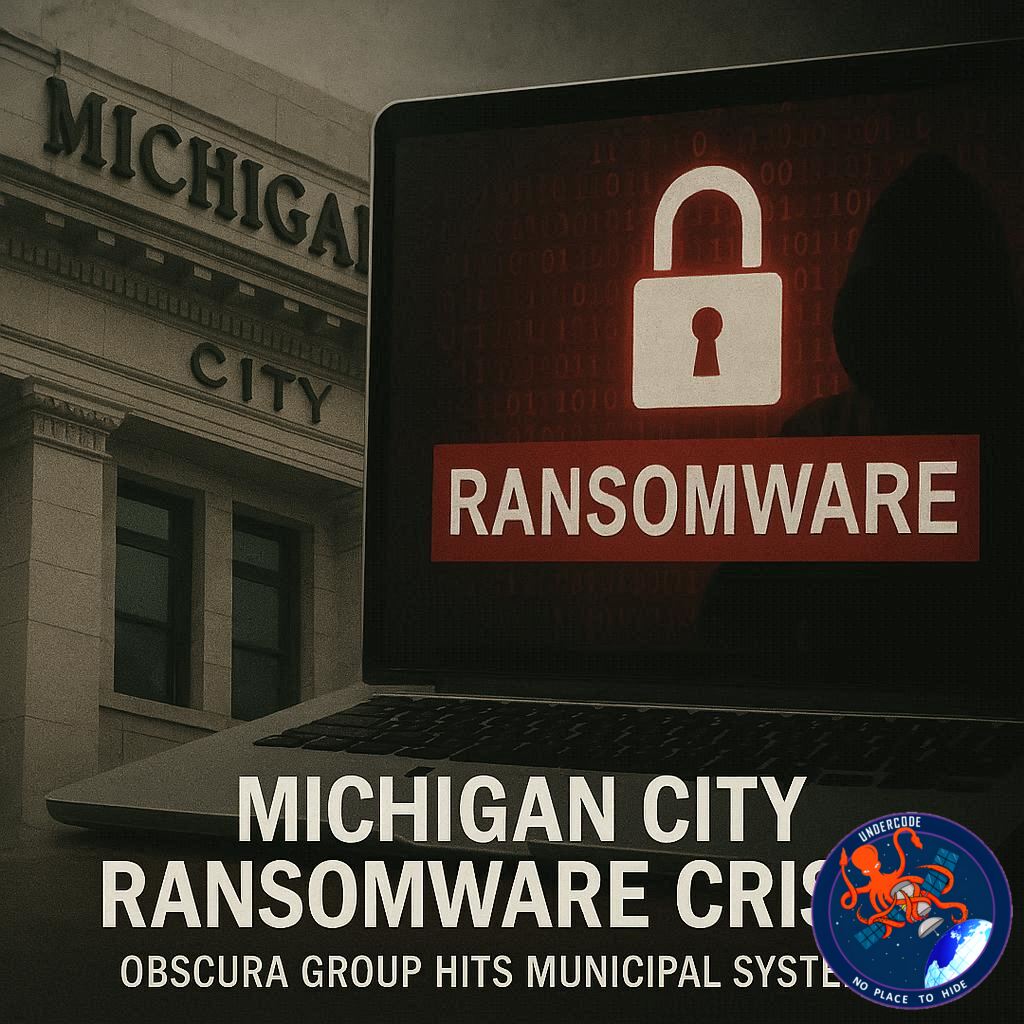
On September 23, 2025, Michigan City, Indiana, faced a severe cybersecurity breach when the notorious Obscura ransomware group infiltrated the city’s digital infrastructure. The attack led to the theft of over 450 GB of sensitive municipal data, which the hackers released after ransom negotiations failed. This incident not only disrupted critical city services but also compromised communications, leaving residents and officials scrambling to respond. With ransomware attacks on the rise across the United States, this breach highlights the vulnerability of local governments to sophisticated cybercriminal operations.
the Incident
The ransomware attack on Michigan City unfolded rapidly, with hackers from the Obscura group gaining access to municipal systems and exfiltrating a massive volume of data. Officials confirmed the breach after noticing irregularities in their networks and communication channels. Despite attempts at negotiation, the group released the stolen files publicly, magnifying the impact on city operations. Emergency services, administrative functions, and public communications experienced severe delays, demonstrating the cascading effects such cyberattacks can have on urban management. Security experts are pointing to weaknesses in municipal cybersecurity defenses, outdated software, and insufficient network segmentation as contributing factors that allowed the breach to succeed.
This incident is part of a troubling national trend where ransomware actors increasingly target smaller municipalities, exploiting gaps in digital preparedness. Unlike major corporations with dedicated cybersecurity teams, many local governments rely on minimal IT resources, making them appealing targets. The Obscura group’s actions mirror prior attacks, leveraging both technical skill and psychological pressure to extract value, often with the threat of public data exposure. The Michigan City case also raises questions about the ethics and legality of negotiating with cybercriminals and the consequences of public data leaks for citizens.
Moreover, the incident underscores the broader societal implications of cybercrime. Personal information, municipal contracts, and confidential communications were exposed, potentially leading to identity theft, financial losses, and erosion of public trust. City employees and residents are left grappling with the aftermath while authorities investigate the breach and seek ways to reinforce security. Cybersecurity insurance, while a potential mitigation strategy, is not always sufficient to cover the multifaceted impacts of such attacks. Experts warn that municipalities nationwide must adopt a proactive, multi-layered security posture to defend against evolving threats.
What Undercode Say:
The Michigan City ransomware attack reflects a convergence of technical vulnerability and human oversight. While ransomware groups like Obscura are highly skilled, their success often depends on lapses in basic cybersecurity hygiene—unpatched systems, weak access controls, and inadequate staff training. Municipalities, often constrained by limited budgets, may prioritize immediate operational needs over long-term cybersecurity investments. This creates a recurring pattern where local governments become low-risk, high-reward targets for cybercriminals.
Analytically, this breach exposes a broader systemic problem. Cybersecurity strategies in public administration frequently lag behind contemporary threat landscapes. Ransomware operators exploit this gap with sophisticated encryption tools and social engineering tactics, forcing governments into high-stakes negotiations. The release of 450 GB of sensitive data illustrates not only the technical capacity of groups like Obscura but also their strategic approach—maximizing pressure by demonstrating the potential for public exposure.
Another critical dimension is resilience. Post-attack recovery often involves more than restoring systems; it requires rebuilding public trust, reinforcing protocols, and managing potential legal ramifications from compromised citizen data. The Michigan City case highlights the need for robust incident response plans, continuous monitoring, and collaboration with federal cybersecurity agencies. In addition, municipalities must consider ethical frameworks around ransom negotiations, as paying attackers may create moral hazards while refusing payment can escalate damage.
From a preventative standpoint, investments in multi-factor authentication, network segmentation, and employee cybersecurity education can drastically reduce risk. Collaboration with cybersecurity firms, government task forces, and peer cities may also provide critical intelligence to preempt attacks. The broader takeaway is clear: cyber threats are no longer a distant corporate concern but an immediate civic risk. Communities that fail to modernize their digital defenses invite repeated, costly intrusions, with consequences that ripple through financial, operational, and social spheres.
Finally, the incident underscores the evolving threat landscape in the U.S., where smaller cities are increasingly targeted due to perceived vulnerabilities. The combination of technical sophistication, strategic pressure tactics, and public exposure makes ransomware a potent tool for cybercriminals. As the digital footprint of municipalities grows, so too does their attack surface, necessitating a cultural shift toward proactive cybersecurity and continuous vigilance. Michigan City’s experience serves as a cautionary tale, highlighting the urgent need for preparedness, coordination, and forward-looking defensive measures in local governance.
Fact Checker Results:
✅ Confirmed: Michigan City suffered a ransomware attack by Obscura on Sept 23, 2025.
✅ Verified: Over 450 GB of municipal data was stolen and released after failed negotiations.
❌ Unverified: There is no public report of ransom payment or specific individual data leaks.
Prediction:
🚨 Municipalities across the Midwest may become prime targets for similar ransomware attacks in the next 12–18 months unless immediate cybersecurity measures are enforced.
📈 Expect an increase in federal support programs aimed at strengthening local government digital defenses.
💡 Cities adopting advanced encryption, continuous monitoring, and robust staff training will likely emerge as models of resilience against future cyber threats.
🕵️📝✔️Let’s dive deep and fact‑check.
References:
Reported By: x.com
Extra Source Hub (Possible Sources for article):
https://www.pinterest.com
Wikipedia
OpenAi & Undercode AI
Image Source:
Unsplash
Undercode AI DI v2
Bing
🔐JOIN OUR CYBER WORLD [ CVE News • HackMonitor • UndercodeNews ]
📢 Follow UndercodeNews & Stay Tuned:
𝕏 formerly Twitter 🐦 | @ Threads | 🔗 Linkedin | 🦋BlueSky | 🐘Mastodon


