
Listen to this Post
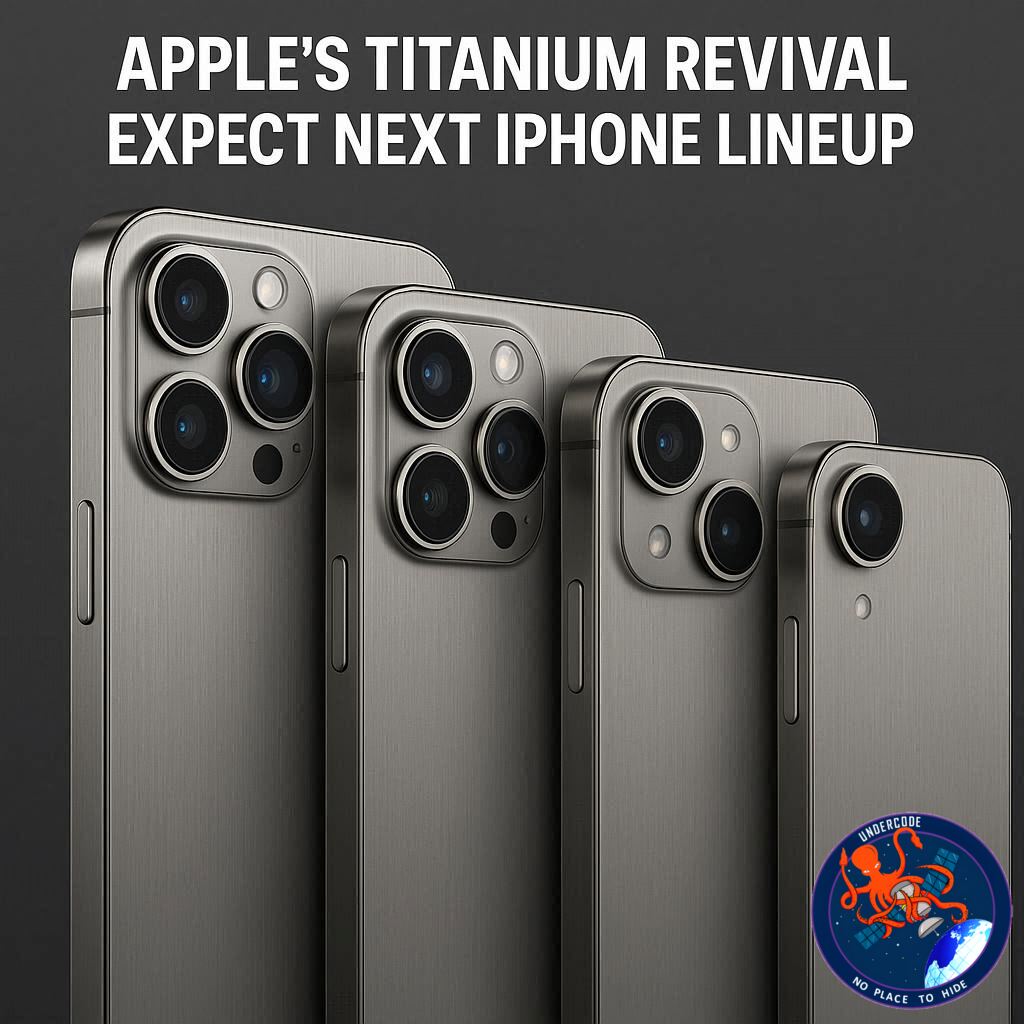
Apple’s iPhone designs have long set the standard for premium craftsmanship, blending cutting-edge technology with luxurious materials. In 2023, Apple made waves by introducing titanium into the iPhone lineup, signaling a bold step toward more durable and lightweight designs. Yet, in 2024, the company pivoted back to aluminum for its iPhone 17 Pro and Pro Max, leaving just one titanium model in the lineup. Now, rumors suggest that Apple is planning a significant return to titanium, promising an exciting shakeup for next year’s devices.
iPhone 2025: A Titanium Comeback
Apple’s iPhone lineup has always been synonymous with consistency, but this year saw notable disruption. The introduction of the iPhone Air, replacing the traditional Plus model, created a new decision-making challenge for users accustomed to Pro devices. Looking ahead to 2025, Apple appears poised to make even more dramatic changes, including both design and material innovations.
Industry rumors suggest that the 2025 iPhone lineup will include four models:
iPhone Air 2
iPhone 18 Pro
iPhone 18 Pro Max
iPhone Fold / iPhone Ultra
Interestingly, the base iPhone 18 is rumored to launch in the following spring rather than the fall, a strategy likely intended to prevent overcrowding the premium fall release. Among these changes, one of the most anticipated is the return of titanium as a material for Apple’s smartphones.
In 2023 and 2024, titanium was primarily reserved for Pro models. Both the iPhone 15 Pro and 16 Pro leveraged titanium as a premium differentiator, offering enhanced durability and a lightweight feel that set them apart. However, Apple switched the iPhone 17 Pro back to aluminum in 2024, while the new iPhone Air embraced titanium for the first time, highlighting a strategic shift in material use.
For 2025, sources indicate that two models—iPhone Air 2 and the rumored iPhone Fold/Ultra—will feature titanium, marking a notable return. This shift means that half of Apple’s new iPhones next fall will use titanium, effectively reversing the material scarcity seen in the current lineup. Curiously, the Pro and Pro Max models will reportedly be the only ones without titanium, a departure from previous trends where Pro models were the exclusive titanium devices.
This move could signal Apple’s desire to highlight its ultra-premium offerings, with titanium emphasizing durability and a high-end feel across a broader segment of its devices. As Apple continues to innovate, the material choices may play a larger role in influencing consumer perception and purchase decisions than ever before.
What Undercode Say: Titanium’s Strategic Impact
Apple’s fluctuating approach to materials in its iPhone lineup is more than a cosmetic decision—it’s a strategic maneuver aimed at shaping market perception and consumer priorities. Titanium, known for its strength-to-weight ratio, offers a tangible benefit in terms of durability while also signaling luxury. Its inclusion in the iPhone Air 2 and Fold/Ultra next year suggests that Apple is pushing for premium appeal beyond its traditional Pro market.
The decision to exclude titanium from the iPhone 18 Pro and Pro Max is intriguing. It could indicate a recalibration of material costs and manufacturing efficiency, or perhaps a subtle repositioning where the Fold/Ultra and Air 2 act as the new aspirational devices. By doing so, Apple creates a tiered ecosystem where material choice becomes a visual and tactile marker of exclusivity and innovation.
This approach also aligns with Apple’s recent strategy of staggering releases. By delaying the base iPhone 18 until spring, the company avoids diluting its fall lineup and maintains a concentrated spotlight on its most advanced offerings. Titanium’s return, especially on the foldable model, underscores Apple’s ambition to redefine premium hardware, blending cutting-edge materials with new form factors.
From a consumer perspective, this shift could reignite debates about value and durability. Titanium iPhones offer practical benefits—less weight, more resistance to scratches and dents—but they also carry a psychological prestige factor. Users may perceive titanium models as smarter investments, fostering loyalty and excitement among enthusiasts.
Moreover, Apple’s material strategy might influence accessory ecosystems, third-party cases, and resale values. Devices made with titanium tend to retain a higher perceived value, which could encourage secondary market demand and further differentiate Apple from competitors.
In the broader technological landscape, Apple’s renewed emphasis on titanium may also hint at future innovations in foldable devices and premium models. As competitors explore exotic materials, Apple’s early adoption and continued experimentation could cement its reputation as a leader in material innovation.
Ultimately, this material shift is part of a larger narrative about Apple’s approach to product differentiation, user experience, and market strategy. Titanium isn’t just a design choice; it’s a statement about quality, innovation, and the evolving hierarchy of Apple’s devices.
Fact Checker Results:
✅ Titanium previously used in iPhone 15 Pro and 16 Pro.
❌ iPhone 17 Pro currently made with aluminum, not titanium.
✅ Rumors indicate iPhone Air 2 and Fold/Ultra will use titanium next year.
Prediction:
Next year, titanium could become the hallmark of Apple’s most innovative models, with foldable and premium Air devices attracting enthusiasts seeking both durability and exclusivity. Expect a surge in titanium-focused marketing and accessories, reinforcing Apple’s positioning at the high-end of the smartphone market. ✨📱
🕵️📝✔️Let’s dive deep and fact‑check.
References:
Reported By: 9to5mac.com
Extra Source Hub (Possible Sources for article):
https://www.pinterest.com
Wikipedia
OpenAi & Undercode AI
Image Source:
Unsplash
Undercode AI DI v2
Bing
🔐JOIN OUR CYBER WORLD [ CVE News • HackMonitor • UndercodeNews ]
📢 Follow UndercodeNews & Stay Tuned:
𝕏 formerly Twitter 🐦 | @ Threads | 🔗 Linkedin | 🦋BlueSky | 🐘Mastodon


