
Listen to this Post
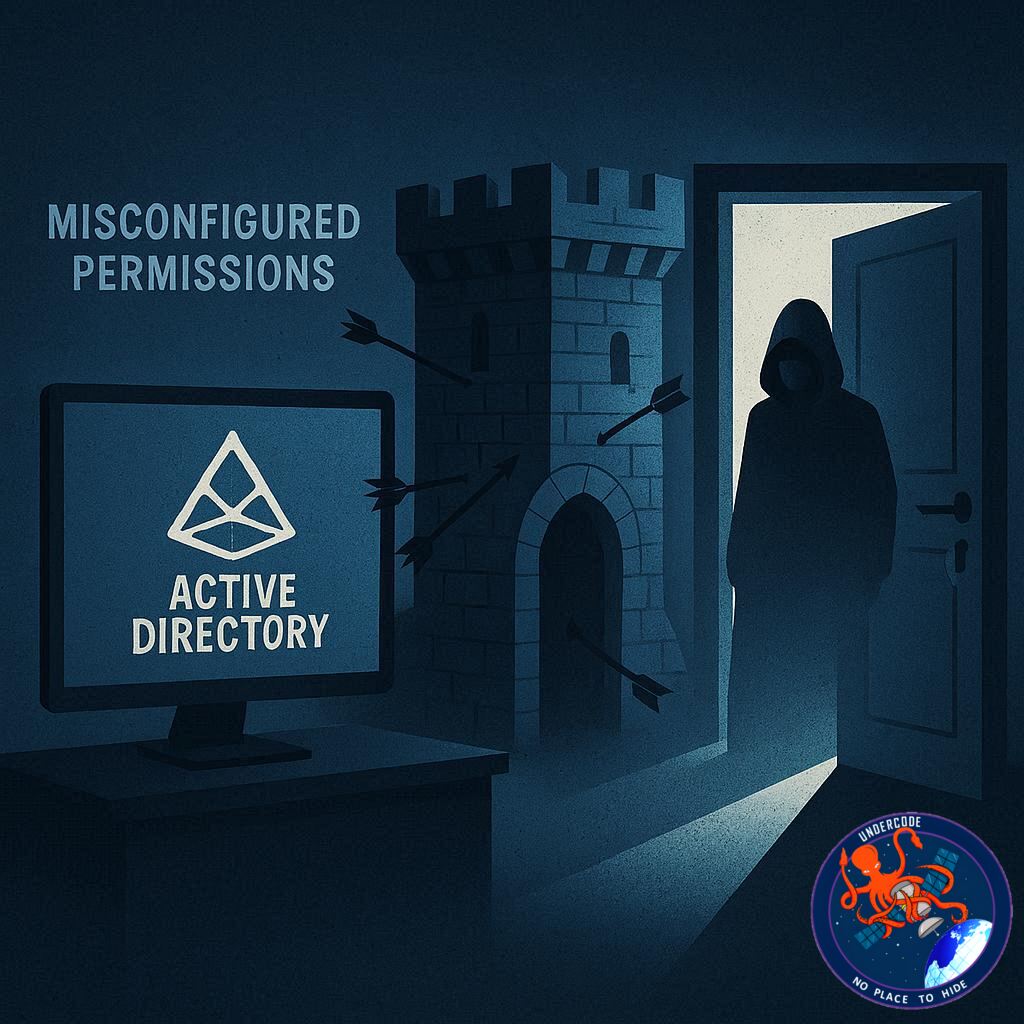
Introduction: A Quiet Threat Hidden in Plain Sight
In today’s cybersecurity landscape, some of the most dangerous vulnerabilities aren’t flashy zero-day exploits or sophisticated malware strains—they’re simple misconfigurations quietly sitting inside enterprise systems. One such issue lies within Active Directory environments, where improper access controls can give attackers far more power than intended. Recent findings highlight how tools like Net RPC can be leveraged to enumerate sensitive information and escalate privileges, turning a minor oversight into a full-scale compromise.
the Original Report
A recent cybersecurity update reveals a concerning vulnerability within an Active Directory environment identified as ignite.local. The issue revolves around the misuse of Net RPC, a protocol that allows communication with Windows systems and services. Attackers can exploit this functionality to perform detailed enumeration of Active Directory objects, including users, groups, and permissions.
Through this enumeration process, malicious actors can identify weak points in access control lists (ACLs). These misconfigured ACLs may allow unauthorized modifications to user accounts or group memberships. Once access is gained, attackers can escalate privileges by assigning powerful rights such as SeBackupPrivilege. This privilege is particularly dangerous because it enables attackers to bypass file permissions and access sensitive data, including password hashes and system files.
Furthermore, the report highlights how these elevated privileges can be used to establish persistence within the network. Attackers can modify user accounts or create new ones, ensuring continued access even if initial entry points are closed. Remote Desktop Protocol (RDP) access can also be enabled, providing a direct and convenient method for attackers to control compromised systems remotely.
The implications extend beyond a single system. Since Active Directory often acts as the backbone of enterprise authentication, compromising it can lead to widespread access across the entire network. This makes the vulnerability especially critical in corporate and government environments where centralized identity management is essential.
The report also touches on broader cybersecurity developments, including advancements in defense technologies. For example, large-scale cybersecurity operations are increasingly leveraging cloud-based solutions and artificial intelligence to monitor threats in real time. One such initiative demonstrated the ability to manage massive volumes of security events—up to hundreds of thousands per second—using automated systems and integrated platforms.
Despite these advancements, the Active Directory vulnerability underscores a recurring theme in cybersecurity: human error remains one of the weakest links. Misconfigured permissions, overlooked settings, and lack of regular audits can undo even the most advanced security infrastructures.
Ultimately, the report serves as a reminder that attackers do not always need sophisticated tools. Sometimes, all it takes is a standard protocol, a misconfigured setting, and the patience to explore what others have neglected.
What Undercode Say:
The Real Danger Lies in Misconfiguration, Not Complexity
The most alarming aspect of this incident is not the use of Net RPC itself, but how easily it becomes a weapon when paired with poor configuration practices. Active Directory environments are notoriously complex, and administrators often prioritize functionality over security. This creates a dangerous imbalance where permissions are granted too broadly, leaving critical systems exposed.
Privilege Escalation as a Gateway to Total Control
Once an attacker gains the ability to assign privileges like SeBackupPrivilege, the game is essentially over. This level of access allows bypassing traditional safeguards, enabling data extraction and deeper system infiltration. It transforms a limited breach into a domain-wide compromise, making containment extremely difficult.
Persistence Techniques Are Becoming More Subtle
Modern attackers are no longer satisfied with quick hits. They aim for long-term access, and this case demonstrates how easily persistence can be achieved through simple user modifications. By quietly altering account privileges or enabling RDP, attackers can maintain control without triggering immediate alarms.
Active Directory Remains a Prime Target
Despite years of awareness, Active Directory continues to be one of the most targeted systems in enterprise environments. Its centralized nature makes it incredibly valuable. Compromising it is equivalent to obtaining the master key to an entire organization’s digital infrastructure.
Automation and AI Are Not Silver Bullets
While the report mentions advanced defensive systems capable of handling massive event loads, these technologies cannot compensate for fundamental misconfigurations. AI can detect anomalies, but if permissions are incorrectly set from the start, the system may interpret malicious actions as legitimate.
The Human Factor Still Dominates Cybersecurity Risks
This scenario reinforces a critical truth: cybersecurity failures are often rooted in human oversight. Whether due to lack of training, time constraints, or operational pressure, administrators frequently leave gaps that attackers are quick to exploit.
The Illusion of Internal Safety
Many organizations mistakenly believe that internal systems are inherently secure. However, once an attacker gains a foothold—through phishing, malware, or insider threats—internal vulnerabilities like this become highly exploitable.
The Cost of Neglecting Regular Audits
Routine audits of permissions and access controls are often overlooked because they are time-consuming and perceived as low priority. This neglect can lead to severe consequences, as demonstrated by the ability to manipulate ACLs in this case.
RDP as a Double-Edged Sword
Remote Desktop Protocol remains a convenient tool for administrators but also a favorite entry point for attackers. Enabling RDP access as part of a persistence strategy highlights how legitimate tools can be repurposed for malicious intent.
Enterprise Security Requires a Cultural Shift
Fixing technical vulnerabilities is only part of the solution. Organizations must adopt a culture of security awareness, where every configuration change is evaluated through a risk-focused lens.
🔍 Fact Checker Results
Verified Misconfiguration Risk
✅ Misconfigured ACLs in Active Directory are a well-documented and common attack vector.
Legitimate Use of Net RPC
✅ Net RPC is a legitimate administrative tool often abused for enumeration and exploitation.
Privilege Abuse Impact
❌ Not all environments allow easy assignment of SeBackupPrivilege; exploitation depends on specific configurations.
📊 Prediction
Rising Attacks on Identity Infrastructure
As organizations continue to centralize identity management, attacks targeting Active Directory and similar systems will increase significantly.
Greater Reliance on Automated Defense
Security teams will increasingly depend on AI-driven monitoring, though misconfigurations will still remain a critical weak point.
Shift Toward Zero Trust Architectures
To mitigate risks like this, more enterprises will adopt Zero Trust models, limiting implicit trust and enforcing strict access controls across all systems.
🕵️📝✔️Let’s dive deep and fact‑check.
References:
Reported By: x.com
Extra Source Hub (Possible Sources for article):
https://www.discord.com
Wikipedia
OpenAi & Undercode AI
Image Source:
Unsplash
Undercode AI DI v2
Bing
🔐JOIN OUR CYBER WORLD [ CVE News • HackMonitor • UndercodeNews ]
📢 Follow UndercodeNews & Stay Tuned:
𝕏 formerly Twitter 🐦 | @ Threads | 🔗 Linkedin | 🦋BlueSky | 🐘Mastodon


