
Listen to this Post
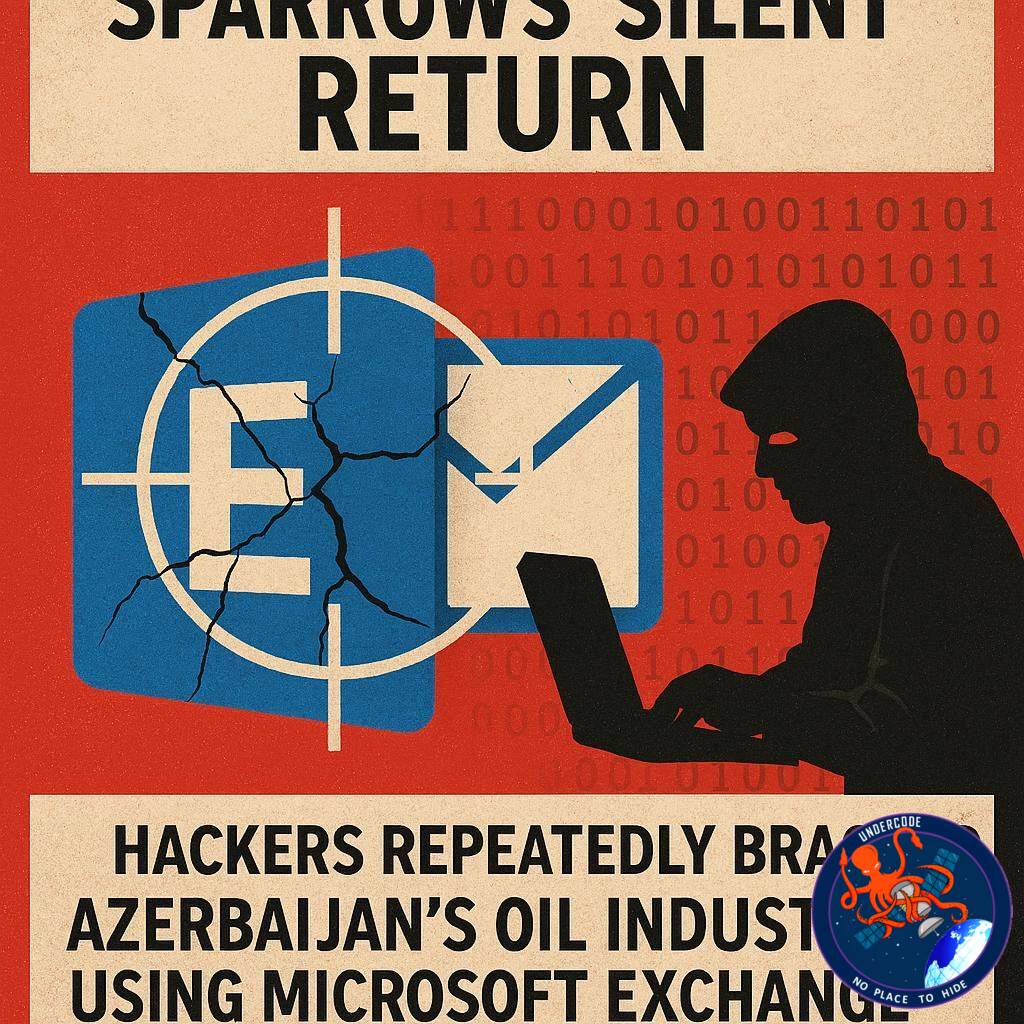 A New Wave of Cyber Espionage Targets Critical Energy Infrastructure
A fresh cybersecurity report has revealed that the notorious hacking group known as FamousSparrow carried out repeated attacks against an Azerbaijani oil and gas company by exploiting vulnerabilities in Microsoft Exchange servers. The attacks demonstrate how advanced threat actors continue to weaponize old vulnerabilities long after organizations believe they are secure.
According to threat intelligence findings shared through cybersecurity monitoring channels, the attackers gained persistent access to the victim’s infrastructure using a combination of web shells, DLL side-loading techniques, and sophisticated malware families including Deed RAT and TernDoor. The campaign reportedly focused on maintaining long-term hidden access rather than causing immediate disruption, a hallmark of modern cyber espionage operations.
The operation began with the exploitation of a known Microsoft Exchange flaw. Even though the vulnerability had already been publicly documented and patched, the attackers successfully reused the exploit against systems that were either unpatched or improperly secured. This highlights one of the biggest ongoing cybersecurity failures worldwide: delayed patch management in critical sectors.
Once initial access was achieved, the attackers deployed web shells to establish remote control over compromised servers. Web shells are lightweight malicious scripts that allow threat actors to execute commands remotely while blending into legitimate server activity. These tools are commonly used by advanced persistent threat groups because they provide stealth and flexibility during intrusions.
Researchers also observed the deployment of Deed RAT, a remote access trojan designed for covert operations. The malware enables attackers to steal sensitive information, monitor user activity, and execute additional payloads inside the compromised environment. Alongside Deed RAT, the group reportedly used TernDoor malware, another backdoor associated with sophisticated espionage campaigns.
One particularly alarming aspect of the intrusion was the use of DLL side-loading. This technique abuses trusted applications to load malicious code indirectly, allowing attackers to bypass traditional security controls and antivirus detection systems. By hijacking legitimate software behavior, the attackers were able to remain hidden for extended periods inside the target network.
The repeated targeting of an Azerbaijani energy organization suggests the attackers were highly interested in strategic intelligence collection rather than financial gain alone. Oil and gas infrastructure remains one of the most attractive targets for state-linked cyber groups because of its geopolitical significance and economic importance.
Cybersecurity analysts believe these attacks align with broader espionage objectives frequently observed in global energy-sector intrusions. Threat actors often seek operational data, internal communications, infrastructure blueprints, and geopolitical intelligence that can provide long-term strategic advantages.
The campaign also reflects a wider trend in cyber warfare where attackers increasingly rely on persistence and stealth instead of destructive ransomware-style attacks. Remaining undetected for months inside a network allows espionage groups to quietly extract valuable information while avoiding public attention.
At the same time, another cybersecurity report circulating online exposed how the ransomware group known as The Gentlemen allegedly relied on stolen credentials gathered through infostealer malware and underground services such as Snusbase. This separate revelation highlights how credential theft is rapidly becoming one of the primary entry points for modern cyberattacks.
Security experts warn that the rise of credential-driven intrusions represents a dangerous evolution in the threat landscape. Instead of directly attacking hardened infrastructure, many cybercriminals now exploit weak passwords, leaked login sessions, and harvested authentication tokens obtained from infected user devices.
The overlap between espionage-focused campaigns and credential-based ransomware operations shows how fragmented and interconnected the underground cyber ecosystem has become. Malware developers, access brokers, ransomware affiliates, and data traffickers now operate in highly organized networks that share resources and techniques.
What Undercode Says:
The Microsoft Exchange Problem Never Truly Disappeared
The continued exploitation of Microsoft Exchange vulnerabilities proves that organizations still underestimate the long-term risks associated with legacy infrastructure. Even years after major Exchange vulnerabilities dominated headlines worldwide, attackers continue finding success because many enterprises either delay updates or fail to properly audit exposed systems.
Energy Infrastructure Has Become a Permanent Cyber Battleground
Oil and gas companies are no longer occasional targets. They are now part of a continuous geopolitical intelligence war taking place in cyberspace. Nations, espionage groups, and financially motivated actors all recognize that energy infrastructure contains highly sensitive operational and economic information.
Persistence Is More Valuable Than Destruction
The FamousSparrow operation reflects a strategic shift in cyber operations. Modern attackers increasingly prefer persistence over chaos. Instead of shutting systems down immediately, they quietly maintain access for intelligence gathering, surveillance, and future exploitation opportunities.
DLL Side-Loading Remains Extremely Effective
One of the most concerning elements in this campaign is the continued effectiveness of DLL side-loading. Despite being a well-known technique, it remains highly successful because many security tools still trust legitimate signed applications without deeply inspecting the libraries they load.
Web Shells Continue to Be a Massive Enterprise Weakness
Web shells remain one of the easiest ways for attackers to maintain persistence after exploiting public-facing applications. Many organizations fail to regularly monitor server-side scripts or analyze abnormal web server behavior, allowing attackers to operate undetected for extended periods.
Cyber Espionage Is Becoming Harder to Attribute
Groups like FamousSparrow blur the line between criminal activity and nation-state operations. Their tooling, persistence methods, and targeting strategies strongly resemble state-sponsored espionage campaigns, yet definitive attribution remains extremely difficult in the cybersecurity world.
Credential Theft Is Fueling a New Cybercrime Economy
The separate revelations surrounding The Gentlemen ransomware group demonstrate how credential marketplaces have transformed cybercrime. Infostealer logs are now traded like commodities across underground forums, making unauthorized access dramatically cheaper and easier to obtain.
Snusbase and Similar Services Lower the Barrier for Attackers
Services such as Snusbase provide searchable leaked credential databases that dramatically accelerate intrusion campaigns. Even moderately skilled attackers can purchase or search stolen data to compromise corporate systems without needing sophisticated exploitation capabilities.
Human Error Remains the Weakest Link
No matter how advanced security systems become, compromised credentials and unpatched infrastructure continue to expose organizations to catastrophic risks. Attackers consistently exploit operational negligence more effectively than technical vulnerabilities themselves.
The Oil Sector Faces Growing Geopolitical Pressure
Azerbaijan’s strategic role in regional energy supply chains makes its infrastructure highly attractive to intelligence-focused cyber groups. Any compromise involving energy operations could potentially provide economic leverage, geopolitical insight, or future sabotage opportunities.
Cybersecurity Spending Alone Is Not Enough
Many enterprises spend millions on security products while neglecting basic operational discipline such as patching, network segmentation, and access monitoring. This imbalance often leaves organizations vulnerable despite having expensive security stacks.
Advanced Threat Groups Are Increasingly Patient
The era of noisy cyberattacks is fading. Today’s elite threat actors often prioritize stealth, slow movement, and operational patience. Some intrusions remain active for years before detection occurs.
Security Teams Face an Impossible Detection Challenge
Modern attackers combine legitimate tools, trusted applications, stolen credentials, and memory-based malware to avoid triggering alerts. This makes traditional signature-based detection increasingly ineffective against advanced intrusion campaigns.
Supply Chain and Third-Party Risks Continue to Expand
Many energy organizations rely on interconnected vendors, contractors, and remote management systems. Attackers frequently exploit these relationships as indirect entry points into critical infrastructure environments.
Threat Intelligence Sharing Is Becoming Essential
Campaigns like this highlight why organizations must actively participate in threat intelligence sharing initiatives. Rapidly exchanging indicators of compromise and attack techniques can dramatically reduce exposure across industries.
Critical Infrastructure Will Remain a Prime Target
As geopolitical tensions increase globally, critical infrastructure sectors including energy, telecommunications, transportation, and finance will likely experience even more aggressive cyber espionage campaigns in the coming years.
🔍 Fact Checker Results
✅ Verified Exploitation Techniques
The use of Microsoft Exchange exploits, web shells, DLL side-loading, and remote access trojans aligns with widely documented tactics commonly used by advanced persistent threat groups.
✅ Credential-Driven Intrusions Are Increasing
Cybersecurity researchers have repeatedly confirmed that infostealer malware and leaked credential databases are fueling a sharp rise in ransomware and unauthorized access operations.
❌ No Public Evidence of Operational Disruption
Current reports focus on espionage and persistence activities. There is no verified public evidence showing that the Azerbaijani oil and gas company suffered operational shutdowns or infrastructure sabotage.
📊 Prediction
Cyber Espionage Campaigns Against Energy Firms Will Intensify
Advanced threat groups will likely continue targeting global oil and gas infrastructure due to its geopolitical and economic value. Exchange vulnerabilities and credential theft will remain among the most abused entry points for future attacks.
AI-Assisted Intrusions Could Increase Stealth
Future campaigns may increasingly integrate AI-powered reconnaissance, phishing personalization, and automated persistence techniques, making intrusions faster and harder to detect.
Governments May Push for Stricter Infrastructure Security Regulations
As attacks against critical sectors grow more frequent, governments worldwide could introduce mandatory cybersecurity compliance frameworks focused on patch management, threat intelligence sharing, and breach disclosure requirements.
🕵️📝Let’s dive deep and fact‑check.
References:
Reported By: x.com
Extra Source Hub (Possible Sources for article):
https://www.github.com
Wikipedia
OpenAi & Undercode AI
Image Source:
Unsplash
Undercode AI DI v2
Bing
🔐JOIN OUR CYBER WORLD [ CVE News • HackMonitor • UndercodeNews ]
📢 Follow UndercodeNews & Stay Tuned:
𝕏 formerly Twitter 🐦 | @ Threads | 🔗 Linkedin | 🦋BlueSky | 🐘Mastodon


