
Listen to this Post
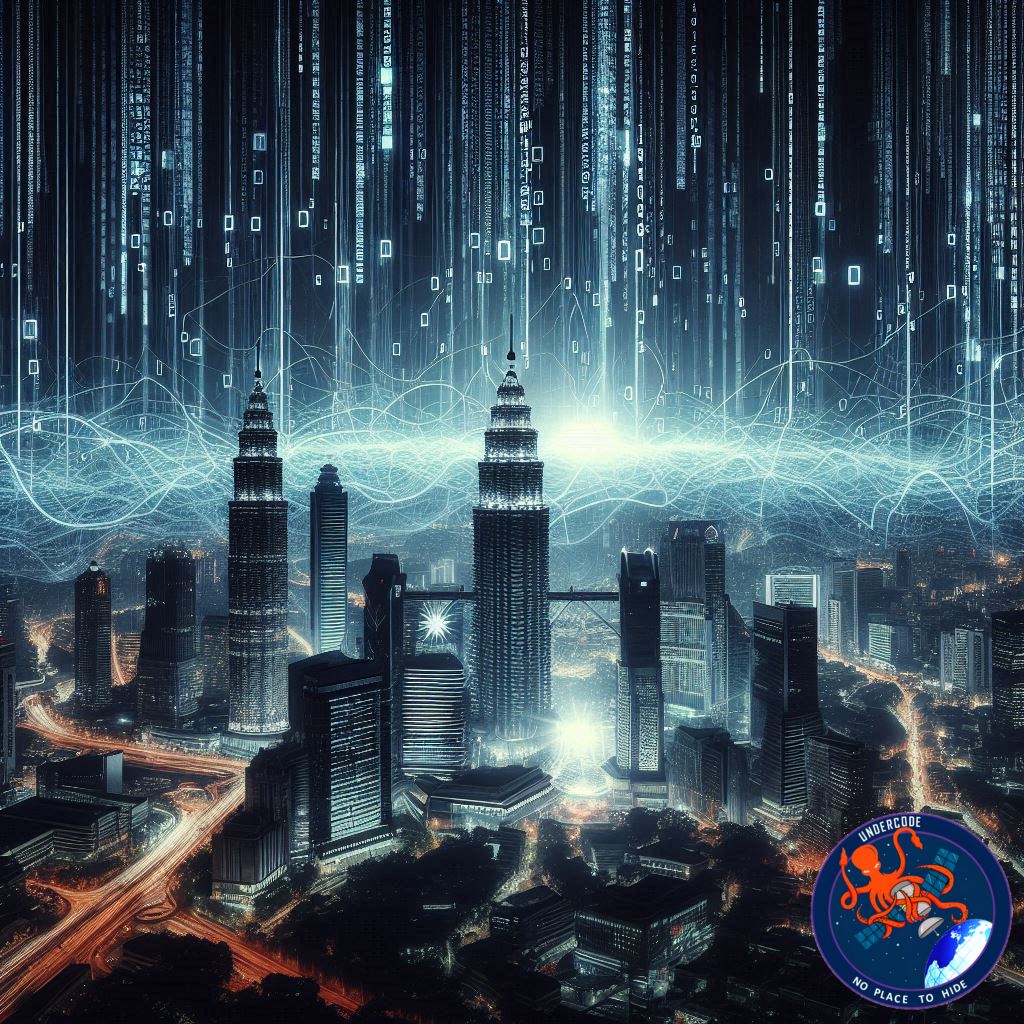
South Korea’s SeAH Holdings — a $4.6 billion specialty steel firm — has reportedly suffered a serious data breach. Threat actors claim they gained access via a third‑party contractor, leaking internal source code, API keys, and hardcoded credentials. In a parallel incident in Malaysia, the Search and Rescue Operation Coordination System (SAROCS) is allegedly up for sale on the dark web after a breach exposed the country’s critical rescue coordination infrastructure.
TechCrunch
Introduction
In a startling development, cybercriminals have set their sights on not just personal data, but the very backbone of industrial and public safety infrastructure — targeting source code, system credentials, and coordination platforms. These attacks underline a disturbing trend: attackers are no longer satisfied with leaking consumer data; they want the keys to the kingdom.
What Happened: the Breach
SeAH Holdings Breach: SeAH Holdings, a major South Korean steel manufacturing company, was reportedly breached through a compromised contractor. The attackers claim to have exfiltrated the company’s source code, API keys, and hardcoded credentials — highly sensitive assets that could enable deep access into internal systems.
Malaysia SAROCS Breach: Separately, a threat actor claims to have breached Malaysia’s Search and Rescue Operation Coordination System (SAROCS). According to the report, the entire system — including detailed operational data — is being offered for sale. This isn’t just a data breach; it’s a compromise of a nation’s emergency coordination infrastructure.
Implications: These incidents go beyond typical data leaks. By exposing source code and credentials, threat actors could potentially manipulate operations, plant backdoors, or disrupt critical services. Public safety and national security are on the line.
What Undercode Say: Analyzing the Bigger Picture
A Shift in Attack Strategy
Traditional data breaches often focus on personal data — names, social security numbers, credit cards. But these newest attacks reveal a more evolved threat actor: one that values intellectual property and system integrity. By targeting source code, attackers gain insights into how software is built, how functions communicate, and where the weak spots lie.
When API keys and hardcoded credentials are exposed, it gives attackers a direct route into live systems. This isn’t just theft, but potential sabotage or long-term infiltration. For a company like SeAH, which likely depends on proprietary code for manufacturing processes, this could mean catastrophic damage — especially if adversaries push malicious updates or steal trade secrets.
Risk of Operational Disruption
For SAROCS, the implications are even more severe. An attacker controlling or even surveilling rescue coordination software could delay emergency responses, create false alerts, or sabotage rescue missions. This raises the notion that cyber attacks on public systems aren’t merely financial crimes — they can be acts of geopolitical leverage.
Insider Risks Are Still Front and Center
These breaches highlight the persistent danger posed by third-party contractors and suppliers. Many organizations don’t treat external partners with the same rigor when it comes to cyber hygiene. If contractors store source code or credentials, a breach at their end is a breach for the parent company. This is a supply chain vulnerability that remains under-addressed.
Regulatory & Reputational Fallout
For SeAH Holdings, the fallout could be significant. Beyond the immediate operational risk, leaking proprietary code can erode competitive advantage. There’s also a legal dimension: many jurisdictions now penalize companies for weak third-party security controls. For SeAH, regulators, investors, and competitors will all be watching.
For Malaysian SAROCS operators, reputational damage could translate into public outcry. Trust in national emergency systems is fundamental; when that trust is broken, it’s not just a technical issue — it’s a systemic crisis of legitimacy.
The Broader Trend
Unfortunately, these incidents are part of a growing pattern. As noted by cybersecurity analysts, South Korea has seen an uptick in breaches over the past year, raising serious questions about the robustness of its cyber defenses.
TechCrunch
The SeAH breach may not be a one-off — rather, a piece of a disturbing mosaic where attackers are increasingly opportunistic and strategic.
Cybersecurity as National Security
These events reinforce that cybersecurity is now not just an IT concern — it’s national security. Both corporate boards and government bodies must treat the protection of source code and coordination systems with the same urgency as protecting physical infrastructure. The risk is no longer just financial loss, but the potential for systemic disruption.
Fact Checker Results
SeAH Breach Validity: The breach is reported by credible dark‑web intelligence sources, but SeAH Holdings has not (publicly) confirmed details.
Scope of SAROCS Leak: The claim that Malaysia’s SAROCS system is “for sale” comes from threat actor reports, but no official Malaysian authority has publicly verified a full system compromise.
Industry Trend Confirmation: The claim of rising cyberattacks in South Korea aligns with recent reporting — showing multiple breaches in different sectors.
TechCrunch
Prediction
Increased Protection of Source Code: We’re likely to see more firms adopt “zero trust” development environments, where source code access is more tightly controlled, audited, and encrypted.
Regulatory Backlash: Governments may tighten regulations around third-party cyber risk, enforcing stricter liability for companies whose contractors hold mission-critical code or credentials.
Rise in Cyber Insurance Demand: As these high-risk breaches become more common, demand for cyber insurance that explicitly covers source code theft or operational system compromise will surge.
Public Sector Hardening: Nations will treat attacks on coordination systems (like SAROCS) as critical infrastructure breaches, leading to more funding, stricter oversight, and possibly even “rescue system cyber‑defense” teams.
If you like, I can pull together a deeper technical breakdown (TTPs, MITRE mapping) of how such breaches might have been executed — do you want me to do that?
🕵️📝✔️Let’s dive deep and fact‑check.
References:
Reported By: x.com
Extra Source Hub (Possible Sources for article):
https://www.facebook.com
Wikipedia
OpenAi & Undercode AI
Image Source:
Unsplash
Undercode AI DI v2
Bing
🔐JOIN OUR CYBER WORLD [ CVE News • HackMonitor • UndercodeNews ]
📢 Follow UndercodeNews & Stay Tuned:
𝕏 formerly Twitter 🐦 | @ Threads | 🔗 Linkedin | 🦋BlueSky | 🐘Mastodon


