
Listen to this Post
🎯 Introduction: AI Has Already Entered Daily Life
Artificial intelligence is no longer a distant concept reserved for engineers or tech giants. It has quietly embedded itself into everyday routines, reshaping how people search, decide, and create. In Japan’s shifting digital economy, AI adoption is not arriving with disruption alone, but with subtlety. The real transformation is not whether people use AI, but how naturally they do so without noticing.
🧩 Context of a Members-Only Insight
This article originates from a members-only discussion featured on Radio NIKKEI’s special program “Turbulent 2025–2026.” The conversation focused on how AI is no longer an optional innovation but an invisible layer of modern life. The discussion gained attention because it reframed AI not as a threat, but as an everyday utility.
🧩 Who Is Jun Fukuda
Jun Fukuda is a serial entrepreneur and the former CEO of STARTO ENTERTAINMENT, the company that inherited talent management operations from the former Johnny’s agency. His background bridges entertainment, business restructuring, and emerging technology, making his perspective on AI both pragmatic and culturally grounded.
🧩 AI Is Already Replacing Search
Fukuda pointed out that many people are unconsciously shifting from traditional search engines to AI-driven interfaces. Whether through recommendation systems, smart assistants, or generative tools, AI has become the first touchpoint for information, even when users do not explicitly recognize it.
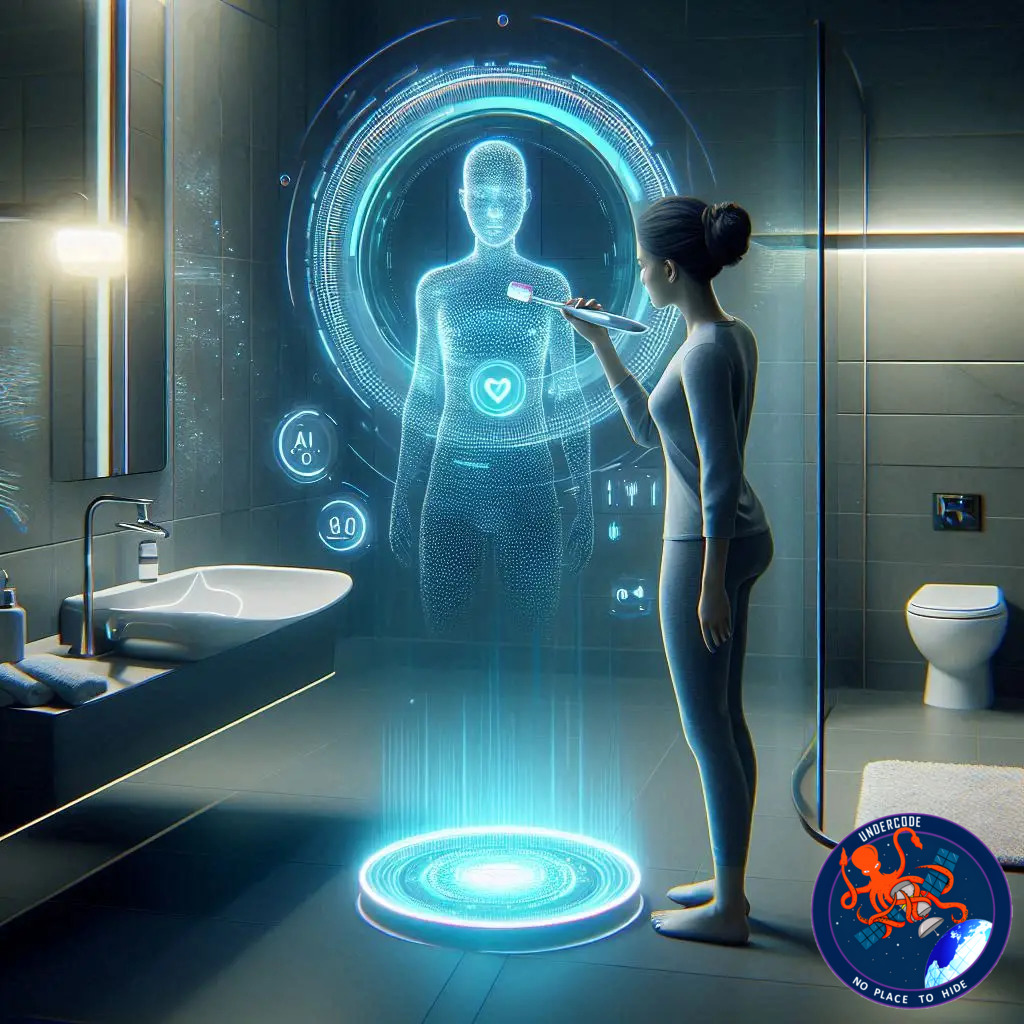
🧩 The “Toothbrushing Level” Metaphor
One of the most striking ideas from the discussion was Fukuda’s comparison of AI usage to brushing one’s teeth. The metaphor suggests that AI should be used daily, casually, and without fear. It is not a special event, but a routine habit essential to modern hygiene in a digital sense.
🧩 Fear Is the Real Barrier
According to Fukuda, hesitation around AI often stems from psychological resistance rather than technical difficulty. People fear making mistakes, losing control, or appearing incompetent. This fear delays adoption more than any lack of access or education.
🧩 AI Implementation as a Cultural Shift
The year 2025 is framed as the true beginning of AI implementation, not because the technology is new, but because society is finally ready to accept it at scale. This shift mirrors past transitions such as smartphones and social media, which initially felt invasive before becoming indispensable.
🧩 Business Leaders Are Quietly Adapting
Executives and entrepreneurs are already integrating AI into workflows, decision-making, and creative processes. However, many do so quietly, without public announcements. This silent adoption signals that AI is becoming infrastructure rather than spectacle.
🧩 Entertainment and AI Intersections
In the entertainment industry, AI is influencing talent management, content planning, and audience analysis. Fukuda’s experience in entertainment highlights how AI tools can enhance creativity rather than replace human expression.
🧩 The Disappearing Line Between Human and Machine Input
As AI-generated suggestions blend seamlessly into daily tasks, distinguishing between human judgment and machine assistance becomes increasingly difficult. This blurring is not accidental, but a sign of successful integration.
🧩 Society Is Already Living With AI
The key message from the article is simple but profound. AI is no longer coming. It is already here, shaping behavior invisibly. The only real decision left is whether individuals choose to engage with it consciously or remain passive users.
🧠 What Undercode Say:
🧠 AI Adoption Is a Habit Problem, Not a Technology Problem
The framing of AI as a “toothbrushing-level” activity is more insightful than it appears. Historically, every major technological shift failed or succeeded based on habit formation, not capability. AI follows the same pattern.
🧠 Fear Signals a Lack of Narrative Control
Resistance to AI often reflects uncertainty about identity and value. People worry that using AI diminishes their originality. In reality, refusing to engage with AI risks losing narrative control over one’s own work and decisions.
🧠 Search Is Already Dead in Its Old Form
The transition from search engines to AI interfaces is not a trend, but an endpoint. Asking AI for synthesized answers aligns more closely with how humans think. This makes the shift irreversible.
🧠 Quiet Adoption Is the Strongest Signal
When companies stop announcing AI usage and simply embed it, that is when transformation is complete. Loud innovation phases always precede silent normalization.
🧠 AI Does Not Replace Skill, It Exposes Its Absence
AI amplifies existing competence. Skilled users gain leverage, while unskilled users feel threatened. This explains why fear is unevenly distributed across industries and roles.
🧠 Entertainment Is a Canary Industry
Creative fields often reveal technological disruption first. If AI can coexist with idols, storytelling, and fan culture, it can coexist anywhere.
🧠 2025 Marks the End of AI Spectacle
The obsession with whether AI is impressive is fading. The next phase is mundane effectiveness. Tools that quietly save time will outperform tools that chase attention.
🧠 The Real Risk Is Passive Consumption
Using AI unconsciously without understanding its influence creates dependency without agency. Conscious, habitual use is safer than accidental reliance.
🧠 AI Literacy Will Become Social Literacy
Just as digital literacy became essential in the 2000s, AI literacy will define professional relevance in the late 2020s. Those who treat AI as optional will face structural disadvantage.
🧠 Fukuda’s Message Is Subtly Radical
By removing drama from AI, Fukuda removes excuses. When AI becomes boring, it becomes unavoidable. That is the real beginning of transformation.
🔍 Fact Checker Results
✅ Fukuda Jun is a former CEO of STARTO ENTERTAINMENT and a serial entrepreneur.
✅ AI-driven interfaces are increasingly replacing traditional search behavior.
❌ There is no evidence that AI adoption is slowing down in Japan or globally.
📊 Prediction
🔮 AI usage will shift from explicit tools to embedded experiences across apps and devices.
🔮 Public fear around AI will decline as daily exposure increases.
🔮 By 2027, AI literacy will be evaluated implicitly through productivity, not certification.
▶️ Related Video (74% Match):
🕵️📝✔️Let’s dive deep and fact‑check.
References:
Reported By: xtechnikkeicom_c50d5e422a7e746152720eeb
Extra Source Hub (Possible Sources for article):
https://www.quora.com/topic/Technology
Wikipedia
OpenAi & Undercode AI
Image Source:
Unsplash
Undercode AI DI v2
Bing
🔐JOIN OUR CYBER WORLD [ CVE News • HackMonitor • UndercodeNews ]
📢 Follow UndercodeNews & Stay Tuned:
𝕏 formerly Twitter 🐦 | @ Threads | 🔗 Linkedin | 🦋BlueSky | 🐘Mastodon


