
Listen to this Post
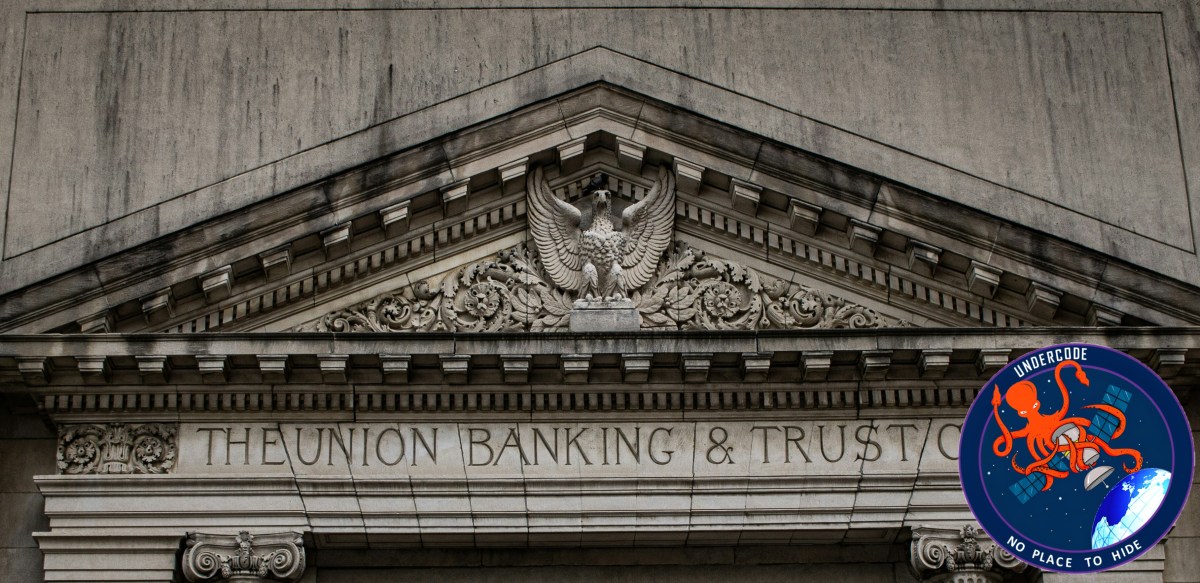
The banking sector in 2026 faces unprecedented pressure. Cyber threats are more sophisticated than ever, regulations are multiplying, and simply storing client data is no longer enough. Banks must actively govern every byte of information, ensuring compliance, security, and operational resilience—or risk massive fines and reputational damage. Modern data governance has shifted from being a convenience to an absolute necessity, and staying ahead of the trends is critical for survival.
This year, banks are embracing advanced technologies and strict protocols to manage data safely. Governance is no longer just an IT concern; it’s a strategic pillar that influences decision-making, risk mitigation, and regulatory compliance. Understanding the difference between data management and governance is essential: management focuses on how data is stored and handled, while governance defines the rules, logic, and security protocols that dictate how that data may be used.
Data governance in 2026 revolves around several emerging trends that banks must adopt. Post-quantum cryptography is gaining urgency as quantum computers threaten to crack traditional encryption. Ready-made software solutions are replacing custom-built tools, offering faster deployment, constant updates, and proven security. Banks operating across borders rely on automated systems to comply with regulations like GDPR, CCPA, and DORA. AI governance is now crucial to prevent “Shadow AI” risks, ensuring employee AI usage does not leak sensitive information.
Zero Trust architectures dominate internal security strategies, requiring verification for every access attempt. Automated compliance reporting reduces the workload on legal teams, while privacy-enhancing technologies—like homomorphic encryption and differential privacy—allow secure data analysis. Machine identity management ensures that bots and API keys don’t become weak points. Synthetic data allows developers to test applications safely, and data localization ensures that regional laws governing physical data storage are met.
By integrating these approaches, banks are transforming data governance from a reactive requirement to a proactive advantage, mitigating risk, and preserving client trust.
What Undercode Say:
Data governance in 2026 is no longer optional; it is a core strategic function that blends technology, law, and operational oversight. The trends outlined highlight how banks must act both proactively and dynamically.
Post-quantum cryptography is no longer futuristic—it is a necessity. Storing encrypted data for decades with the assumption that it remains secure is a grave risk. Banks must transition to quantum-resistant algorithms now to avoid future breaches.
Ready-made governance platforms allow financial institutions to scale quickly while keeping IT costs manageable. Custom-built solutions are slow, expensive, and often less secure due to inconsistent updates and testing. In practice, off-the-shelf tools allow banks to focus on core operations rather than reinventing security.
Cross-border compliance automation has emerged as a lifeline for global banks. Regulatory complexity can no longer be managed manually, and automated rule engines ensure real-time adherence to multiple jurisdictions, significantly reducing the risk of regulatory fines.
Shadow AI is an underrated risk in financial institutions. Employees may use AI tools without IT oversight, creating invisible attack vectors. Governance tools that monitor AI usage and network behavior are critical to prevent accidental data leaks or compliance violations.
Zero Trust architectures represent a paradigm shift: internal employees are no longer implicitly trusted. Identity verification, contextual access control, and behavior monitoring are crucial to prevent insider threats, a growing source of financial data breaches.
Privacy-enhancing technologies allow banks to balance data utility with privacy. Homomorphic encryption, differential privacy, and secure multiparty computation enable analysis without exposing sensitive information, creating a safe ecosystem for AI and data science projects.
Machine identity governance addresses a blind spot in traditional security. Bots, scripts, and APIs now access sensitive data more than humans, and a compromised machine account can be catastrophic. Automatic key rotation and anomaly detection are must-haves.
Synthetic data adoption is essential for legal compliance during app development. Testing with fake but realistic data prevents accidental exposure of real client information while maintaining development speed and accuracy.
Data localization laws are reshaping cloud strategies. Banks must ensure data remains in-country where required, using “sovereign cloud” solutions and tagging tools to enforce boundaries. Failure to comply risks legal sanctions and cross-border data leaks.
Overall, banks that integrate these technologies and governance strategies gain a competitive edge. Strong data governance not only avoids fines but also builds customer trust, secures intellectual property, and enables faster innovation. Institutions that delay will face operational, legal, and reputational consequences.
Fact Checker Results:
✅ Post-quantum cryptography adoption is essential; quantum computing poses real future risks.
✅ Cross-border compliance tools effectively automate adherence to GDPR, CCPA, and DORA.
❌ Some banks still underestimate Shadow AI risks, leaving gaps in internal security.
Prediction:
✅ By 2028, Zero Trust will become standard in 90% of global banks, replacing perimeter-based security.
✅ AI governance tools will be mandatory for regulatory compliance in major financial markets.
✅ Synthetic and privacy-enhanced data will dominate testing environments, minimizing data breaches and regulatory violations.
If you want, I can also create a visual infographic summarizing these 10 trends for 2026 to make the article even more engaging. Do you want me to do that next?
🕵️📝✔️Let’s dive deep and fact‑check.
References:
Reported By: cyberpress.org
Extra Source Hub (Possible Sources for article):
https://www.quora.com
Wikipedia
OpenAi & Undercode AI
Image Source:
Unsplash
Undercode AI DI v2
Bing
🔐JOIN OUR CYBER WORLD [ CVE News • HackMonitor • UndercodeNews ]
📢 Follow UndercodeNews & Stay Tuned:
𝕏 formerly Twitter 🐦 | @ Threads | 🔗 Linkedin | 🦋BlueSky | 🐘Mastodon


