
Listen to this Post
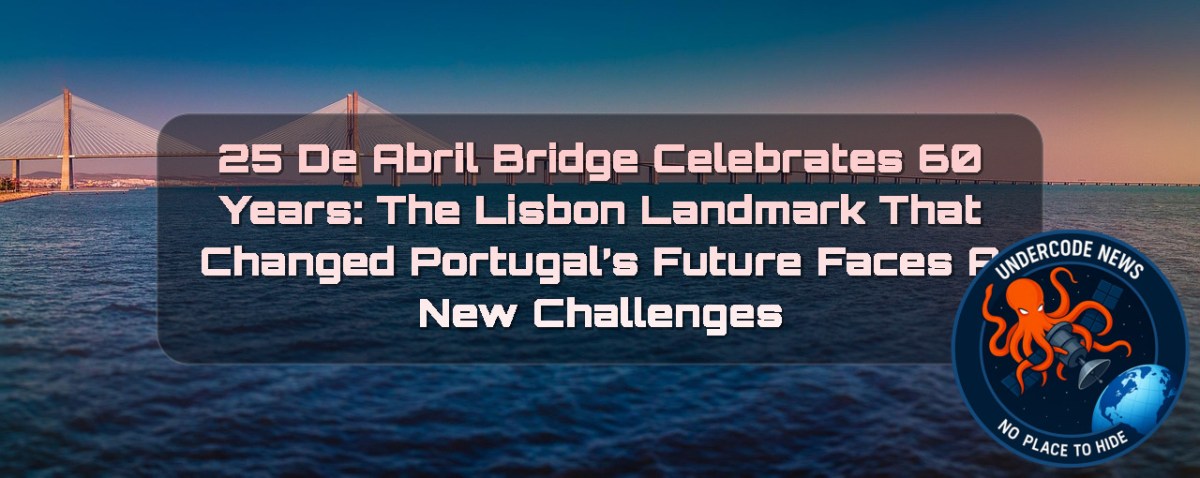
Introduction: Six Decades Above the Tagus River
For 60 years, the 25 de Abril Bridge has stood as more than a transportation route — it has become a symbol of Portugal’s modernization, engineering ambition, and the deep connection between Lisbon and the southern bank of the Tagus River. Since opening in 1966, the iconic suspension bridge has carried millions of vehicles, trains, workers, families, and travelers, transforming the daily lives of people across the Lisbon metropolitan area.
A Historic Anniversary for One of Portugal’s Greatest Engineering Achievements
On August 6, 2026, Portugal celebrates the 60th anniversary of the inauguration of the 25 de Abril Bridge, one of the country’s most recognizable structures. When it opened in August 1966, thousands of people gathered to witness the completion of what was then considered the largest public infrastructure project ever undertaken in Portugal.
Originally named the Salazar Bridge after the country’s former authoritarian leader António de Oliveira Salazar, the structure was later renamed the 25 de Abril Bridge following the democratic revolution of April 25, 1974, which ended decades of dictatorship and reshaped Portugal’s history.
A Massive Construction Project That Changed Lisbon Forever
The bridge was completed in less than four years, an extraordinary achievement considering the scale and complexity of the project. Construction required the daily efforts of approximately 3,000 workers, the involvement of 14 civil engineering companies, and enormous quantities of steel and construction materials.
The final cost reached 4.49 million contos, Portugal’s former currency, equivalent to approximately €22.39 million today. At the time, the project represented a major technological achievement and placed Portugal among countries capable of delivering large-scale international engineering projects.
The bridge’s design was developed with inspiration from the famous Golden Gate Bridge in San Francisco, especially its orange-colored steel towers and suspension structure. However, the 25 de Abril Bridge became unique because it was designed from the beginning to support both road and rail transportation.
An Engineering Marvel Above the Tagus River
The 25 de Abril Bridge remains one of Europe’s most impressive suspension bridges. Its main span stretches 1,013 meters, making it the largest European bridge combining road and railway traffic.
The distance between its anchorages exceeds two kilometers, while its main towers rise 196 meters above the river. Beneath the surface, one of its foundations reaches approximately 80 meters below the riverbed, demonstrating the extraordinary engineering challenges involved in building the structure.
Although the bridge opened to road traffic in 1966, railway operations only began around three decades later. The addition of rail services transformed the bridge into a critical transport connection between Lisbon and the rapidly growing communities south of the Tagus.
The Human Cost Behind the Landmark
While the bridge improved mobility and economic development, its construction also created controversy. Thousands of residents living in the Alcântara Valley were displaced to make way for access roads, bridge supports, and surrounding infrastructure.
Architect Nuno Teotónio Pereira criticized the relocation process during the Estado Novo period, arguing that many families were removed under rushed conditions without sufficient planning or adequate consideration for their future.
The history of the bridge therefore reflects both sides of major infrastructure projects: the promise of progress and the social consequences experienced by communities affected by construction.
Portugal’s Busiest Bridge Continues to Carry Millions
Six decades after opening, the 25 de Abril Bridge remains the busiest crossing over the Tagus River. Despite the opening of the Vasco da Gama Bridge in 1998, which created another major connection between Lisbon and the eastern side of the river, the older bridge continues to dominate daily traffic.
Traffic reached record levels in 2005, when the bridge carried more than 57 million vehicles in a single year, averaging approximately 156,000 vehicles per day.
During the COVID-19 pandemic, traffic declined significantly. In 2020, the average dropped to around 115,000 vehicles per day, while 2021 saw approximately 124,000 daily crossings. However, usage quickly recovered as economic activity returned.
Today, Infraestruturas de Portugal estimates that around 150,000 vehicles and 174 trains cross the bridge every day, serving more than 100 million users annually.
The Toll Debate That Has Followed the Bridge for Decades
Since its opening, toll payments have remained one of the most controversial aspects of the bridge. The original toll price was 10 escudos, while today a class 1 vehicle pays approximately €2.25.
The issue became especially controversial in the 1990s after a 50% toll increase triggered the famous “buzinão” protest in 1994, when thousands of drivers used their car horns to demonstrate against rising transportation costs.
Between 1996 and 2010, toll collection was suspended during August, partly because of political pressure and agreements related to the concession operated by Lusoponte.
In 2026, bridge users once again organized protests against another toll increase, demanding the elimination of charges entirely. The debate highlights a continuing conflict between infrastructure funding needs and public transportation affordability.
Maintaining a 60-Year-Old Giant Requires Constant Investment
A structure of this size and importance requires continuous monitoring and investment. Infraestruturas de Portugal spends approximately €1.6 million annually on maintenance, inspections, equipment, studies, materials, and engineering services.
The bridge is monitored by specialized teams, with support from organizations including the Institute of Welding and Quality (ISQ), the National Civil Engineering Laboratory (LNEC), and Parsons, the American company originally involved in designing the structure.
The latest major rehabilitation and reinforcement project was completed in March 2024. Authorities are now preparing a complete repainting project designed to preserve the bridge’s durability and appearance for future generations.
Safety Concerns and Official Reassurance
In September 2025, concerns about the bridge’s structural condition were raised by Lisbon municipal representative Bruno Mascarenhas, who described the support structure as worrying.
However, Infraestruturas de Portugal rejected claims that the bridge is unsafe, stating that continuous inspection and maintenance programs ensure the structure continues meeting required safety and reliability standards.
The debate reflects a broader challenge faced by aging infrastructure worldwide: maintaining public confidence while managing complex engineering realities.
A Drone Celebration for a National Symbol
To celebrate the bridge’s 60th anniversary, Portugal organized a spectacular drone show above the Tagus River featuring 500 drones.
The event transformed the bridge into a symbol of technological progress and historical memory, honoring six decades of connection between communities separated by the river.
The Future: New Crossings to Reduce Pressure on Lisbon’s Infrastructure
Although the 25 de Abril Bridge remains essential, future transportation plans aim to reduce pressure on existing crossings.
The Portuguese government is advancing studies for a new road-and-rail connection between Chelas and Barreiro, which would create another strategic link across the Tagus.
Infraestruturas de Portugal is preparing technical, economic, and environmental studies for the project, with an Environmental Impact Study expected to move forward during 2026.
Another planned project is a road connection between Algés and Trafaria, which authorities have identified as a priority infrastructure investment.
These projects represent Portugal’s attempt to prepare its transportation network for future population growth and economic expansion.
Deep Analysis: The 25 de Abril Bridge as a Symbol of Infrastructure, Politics, and National Identity
Infrastructure Is More Than Concrete and Steel
The story of the 25 de Abril Bridge shows that major infrastructure projects are not only engineering achievements. They become part of national identity, shaping how people live, work, and connect with each other.
A Bridge That Survived Political Transformation
Few structures represent political change as clearly as the 25 de Abril Bridge. Built during the Estado Novo regime and renamed after the democratic revolution, the bridge physically remained the same while its meaning transformed.
Engineering Designed for Future Generations
One of the most impressive aspects of the bridge is that engineers planned beyond immediate needs. The decision to include railway capacity decades before trains began operating demonstrates long-term infrastructure thinking.
Aging Infrastructure Requires Strategic Planning
The bridge’s 60th anniversary raises a global question: how should countries manage aging infrastructure?
Many bridges built during the 20th century are now reaching critical maintenance periods. Continuous inspection, modernization, and investment are essential to avoid failures.
Transportation Pressure Continues Growing
Lisbon’s population expansion has increased demand for transportation connections between the northern and southern sides of the Tagus.
The continued heavy use of the 25 de Abril Bridge proves that even six decades later, demand remains extremely high.
New Bridges Are Necessary but Expensive
Building new crossings can reduce congestion, but such projects require enormous financial investment, environmental assessments, and political commitment.
The Chelas-Barreiro project represents a major opportunity but also a significant challenge for Portuguese authorities.
Toll Systems Remain a Political Issue
The toll debate demonstrates the tension between maintaining infrastructure and keeping transportation affordable.
Governments must balance revenue collection with public expectations, especially when citizens rely on bridges every day for employment and essential services.
Climate Change Creates New Infrastructure Challenges
Future maintenance strategies must also consider environmental factors, including stronger storms, temperature changes, and corrosion risks affecting large steel structures.
Technology Is Changing Bridge Monitoring
Modern sensors, artificial intelligence systems, and digital monitoring tools could help authorities predict structural problems before they become dangerous.
The next generation of bridge management will likely rely increasingly on data analysis rather than traditional inspections alone.
The Bridge Represents Economic Development
The 25 de Abril Bridge helped transform communities south of Lisbon by improving access to jobs, education, and business opportunities.
Its impact extends far beyond transportation.
Lessons for Future Infrastructure Projects
The bridge demonstrates that successful infrastructure requires technical excellence, social responsibility, and long-term planning.
Future projects must consider not only construction costs but also environmental and human consequences.
What Undercode Say:
A Monument That Reflects Portugal’s Ambition
The 25 de Abril Bridge represents one of Portugal’s most important engineering achievements. Its survival for six decades proves the value of careful design and continuous maintenance.
The Importance of Long-Term Vision
The decision to prepare the bridge for future railway operations shows why governments must think beyond immediate political cycles.
Infrastructure built today shapes society for generations.
Aging Bridges Are a Global Security Challenge
Around the world, thousands of major bridges are reaching advanced ages. Portugal’s maintenance approach highlights the importance of proactive monitoring.
Infrastructure Failures Can Become National Crises
Bridge collapses in different countries have demonstrated that neglected infrastructure can create enormous human and economic consequences.
Investment Today Prevents Disaster Tomorrow
Spending millions on inspections and repairs may appear expensive, but it is significantly cheaper than emergency reconstruction after failure.
Transportation Networks Define Economic Growth
A reliable bridge does not only move vehicles. It connects workers, companies, communities, and opportunities.
Lisbon Needs More Connectivity
The continued pressure on the 25 de Abril Bridge proves that Lisbon’s transportation system requires additional capacity.
Future Projects Must Balance Development and Environment
New crossings must consider ecological impact while meeting transportation demands.
The Bridge’s Legacy Will Continue
After 60 years, the 25 de Abril Bridge remains one of Portugal’s strongest symbols of progress, resilience, and connection.
✅ The 25 de Abril Bridge officially opened in 1966 and celebrates its 60th anniversary in 2026.
The bridge has remained one of Portugal’s most recognizable landmarks since its inauguration.
✅ The bridge carries both road and railway traffic.
Although originally designed with railway capability, train operations only began decades after the bridge opened.
❌ Claims that the bridge is structurally unsafe have not been confirmed by official inspections.
Authorities have acknowledged maintenance needs but state that continuous monitoring ensures safety standards are maintained.
Prediction
(+1) The 25 de Abril Bridge will likely remain a central transportation symbol of Lisbon for decades. Continuous maintenance, modernization projects, and new monitoring technologies will extend its operational life.
(+1) The planned Chelas-Barreiro crossing could significantly improve Lisbon’s transportation resilience. A new connection would reduce dependency on existing bridges.
(-1) Traffic pressure will continue increasing if new infrastructure projects face delays. Without additional crossings, congestion around the Tagus River is likely to remain a major challenge.
(-1) Maintenance costs may rise as the bridge becomes older. Aging steel structures require increasingly complex inspections and rehabilitation programs.
(+1) The bridge’s cultural importance will continue growing. Beyond transportation, it will remain a historic symbol representing Portugal’s engineering achievements and social transformation.
▶️ Related Video (72% Match):
🕵️📝Let’s dive deep and fact‑check.
🎓 Live Courses & Certifications:
Join Undercode Academy for Verified Certifications
🚀 Request a Custom Project:
Secure, high-velocity infrastructure and disruptive technological engineering. Contact our engineering team for high-tier development and proprietary systems:
[email protected]
💎 Smart Architecture | 🛡️ Secure by Design | ⭐ Trusted by Thousands
References:
Reported By: www.euronews.com
Extra Source Hub (Possible Sources for article):
https://www.github.com
Wikipedia
OpenAi & Undercode AI
Image Source:
Unsplash
Undercode AI DI v2
🔐JOIN OUR CYBER WORLD [ CVE News • HackMonitor • UndercodeNews ]
📢 Follow UndercodeNews & Stay Tuned:
𝕏 formerly Twitter 🐦 | @ Threads | 🔗 Linkedin | 🦋BlueSky | 🐘Mastodon | 📺Youtube


