
Listen to this Post
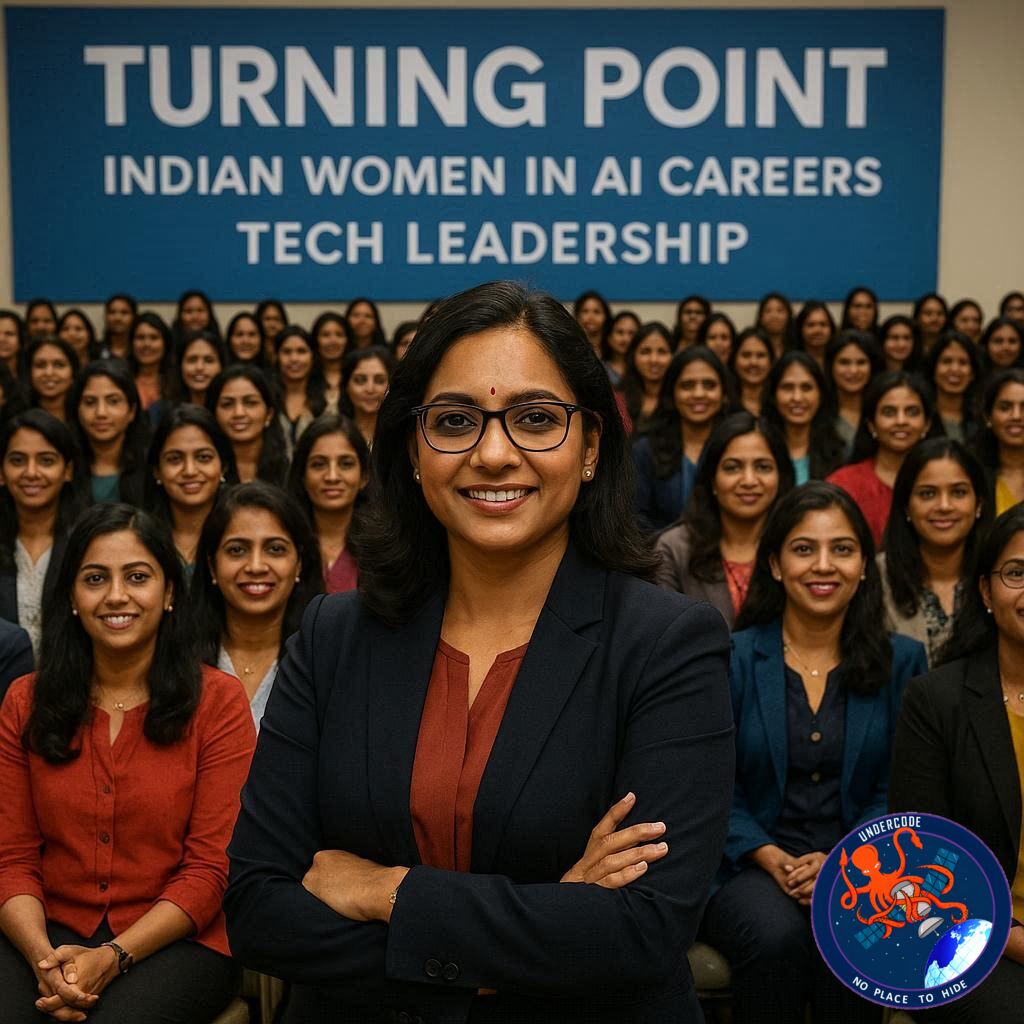
Introduction: A Quiet Revolution in the Making
Artificial Intelligence is no longer just a buzzword shaping industries, it is becoming a powerful equalizer in the workforce. In India, where women have long faced structural barriers in tech careers, a new report reveals a striking shift. With overwhelming interest in AI-driven roles and growing confidence in their future, Indian women are signaling readiness not just to participate in the AI revolution, but to lead it. The question now is no longer about capability, but whether systems and organizations are prepared to support this transformation.
Summary of the Original Report
A recent report highlights that nearly 95 percent of Indian women are open to transitioning into AI-focused roles, provided they receive the right organizational support. This reflects a massive shift in mindset and ambition within the workforce. Around 69 percent of women surveyed stated that AI has already opened new career pathways for them, particularly in emerging domains like product strategy, AI governance, and transformation leadership.
The findings challenge the long-standing “pipeline myth,” which claims that the lack of women in leadership is due to insufficient talent. Instead, the report argues that the real issue lies in systemic barriers and organizational structures that limit women’s growth. Interestingly, India produces about 43 percent of the world’s female STEM graduates, yet women occupy only 29 percent of entry-level tech roles and a mere 14 percent of executive positions.
AI is playing a key role in shifting this imbalance. Around 64 percent of respondents believe that AI adoption has accelerated their journey toward senior positions. The report emphasizes that AI skills are now a stronger differentiator than traditional factors such as tenure or standard performance metrics. This indicates a shift toward skill-based progression rather than time-based advancement.
Optimism is also high among respondents. About 65 percent expressed positive expectations regarding AI-related opportunities, with 36 percent identifying as very optimistic. This reflects a workforce eager to embrace change and take on leadership roles in the evolving tech landscape.
Moreover, AI is not just opening doors professionally but also enabling better time management. Many women reported that AI tools allow them to focus on higher-value tasks, both at work and in personal life. This dual benefit strengthens AI’s role as a transformative force beyond just career growth.
The report also sheds light on gender representation within India’s Global Capability Centers (GCCs). Women currently hold about 16 to 17 percent of leadership roles across nearly 6,500 positions. However, there is still a steep drop, nearly 40 percent, in representation as careers progress from entry-level roles to senior leadership.
Experts emphasize that the real differentiator for future leaders will be how effectively organizations integrate equity into their AI strategies. While the intent among women to lead in AI is clearly present, the report stresses the need for mentorship, accessible upskilling programs, and structural support to turn this readiness into reality.
What Undercode Say: The Real Story Behind the Numbers
The headline figure of 95 percent readiness is impressive, but it hides a deeper truth about the evolving nature of work itself. AI is not simply creating new roles, it is reshaping the rules of career advancement. Traditional hierarchies built on years of experience are slowly giving way to skill-based ecosystems where adaptability matters more than tenure.
For women in India, this shift could be revolutionary. Historically, career breaks, social expectations, and limited access to leadership networks have slowed progression. AI, however, offers a reset button. Because it is a relatively new field, the playing ground is less entrenched, allowing new entrants to compete more fairly based on capability rather than legacy positioning.
Another critical factor is how AI redistributes cognitive workload. By automating repetitive and time-consuming tasks, it enables professionals to focus on strategic thinking and creative problem-solving. For many women balancing multiple responsibilities, this efficiency gain can directly translate into greater career mobility.
However, optimism alone does not guarantee outcomes. The report correctly identifies that structural support is the missing piece. Without intentional intervention, the same biases that limited women in traditional tech roles could easily replicate in AI-driven environments. Hiring practices, promotion criteria, and leadership pipelines must evolve alongside technology.
The concept of the “pipeline myth” is particularly important. For years, organizations have pointed to a lack of qualified women as justification for gender imbalance. This report dismantles that narrative by showing that talent exists in abundance. The real challenge lies in retention, opportunity distribution, and visibility at higher levels.
AI also introduces a new kind of leadership requirement. Future leaders will not just need technical expertise but also ethical awareness, governance understanding, and the ability to manage transformation at scale. This creates an opportunity for women to step into roles that blend technical and strategic skills, areas where diverse perspectives are especially valuable.
There is also a broader economic implication. If organizations successfully enable women to transition into AI roles, the impact will extend beyond individual careers. It could significantly boost innovation, productivity, and global competitiveness. Diversity in AI development is crucial to avoid biased systems and to ensure inclusive technological progress.
Yet, the risk of inaction remains high. If companies fail to invest in mentorship, reskilling programs, and inclusive leadership frameworks, this moment could be lost. The enthusiasm seen today could fade into frustration, reinforcing the very gaps the industry is trying to close.
Ultimately, the rise of AI represents a rare alignment of timing, talent, and opportunity. Women in India are ready. The ecosystem now faces a defining test: whether it can evolve quickly enough to match that readiness and convert potential into lasting change.
Fact Checker Results
✅ The statistic that India produces 43 percent of the world’s female STEM graduates is widely supported by global education data.
✅ The reported gap between entry-level roles and leadership positions aligns with known trends in tech industry gender disparity.
❌ While optimism about AI is high, actual transition rates into AI leadership roles remain uncertain and depend heavily on organizational action.
Prediction
The next five years will likely see a sharp rise in women entering AI-specialized roles, especially in governance and strategy. 📊
Organizations that invest early in inclusive AI ecosystems will outperform competitors in innovation and talent retention. 🚀
If structural barriers are not addressed, the gender gap may persist even within AI, repeating patterns seen in earlier tech waves. ⚠️
🕵️📝✔️Let’s dive deep and fact‑check.
References:
Reported By: zeenews.india.com
Extra Source Hub (Possible Sources for article):
https://www.github.com
Wikipedia
OpenAi & Undercode AI
Image Source:
Unsplash
Undercode AI DI v2
Bing
🔐JOIN OUR CYBER WORLD [ CVE News • HackMonitor • UndercodeNews ]
📢 Follow UndercodeNews & Stay Tuned:
𝕏 formerly Twitter 🐦 | @ Threads | 🔗 Linkedin | 🦋BlueSky | 🐘Mastodon


