
Listen to this Post
Introduction
Memory shapes who we are, yet some experiences—especially those charged with strong emotions—linger far longer than we expect. A groundbreaking study by researchers from RIKEN and Kyushu University has revealed a crucial player in this process: astrocytes, a type of brain cell previously thought to serve mainly supportive roles. This discovery sheds light on how traumatic memories persist and opens the door to novel treatments for disorders like PTSD, while also inspiring ideas for artificial intelligence design.
Understanding the Role of Astrocytes in Memory
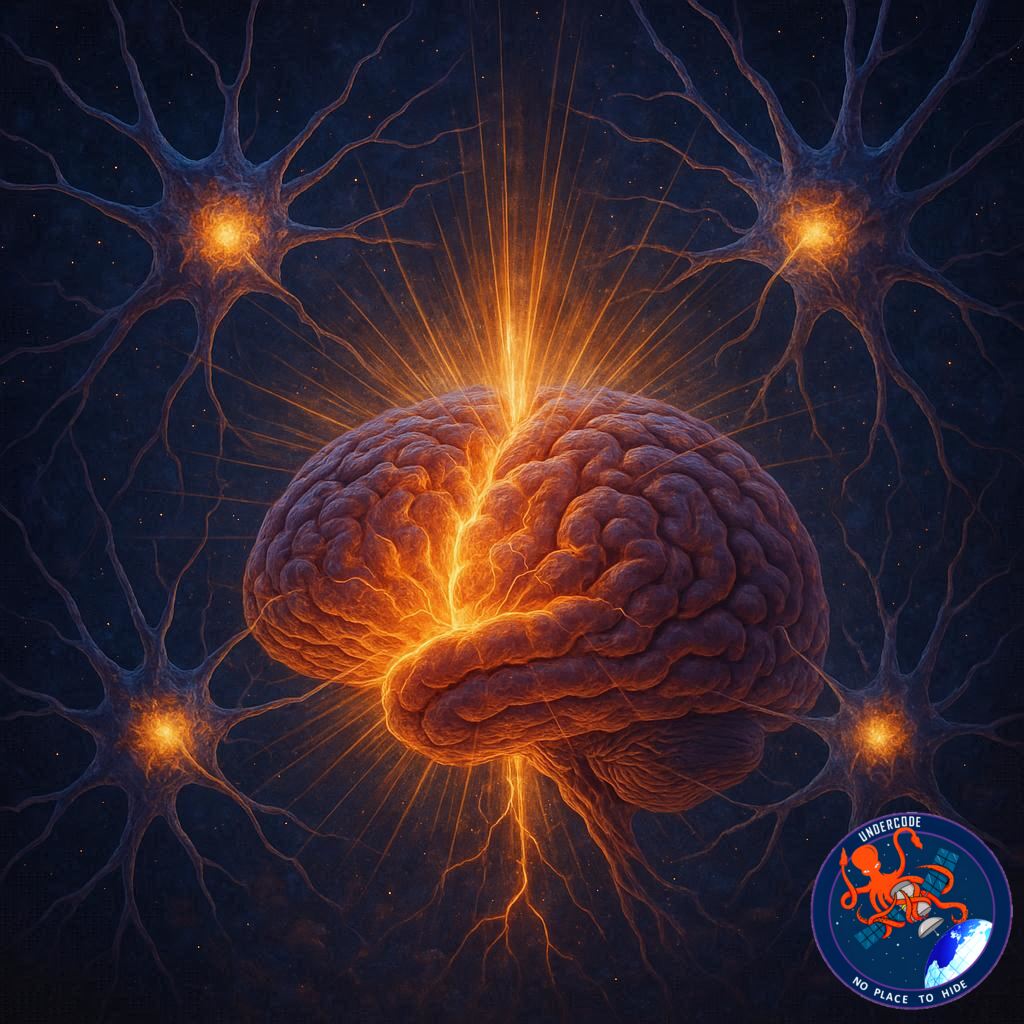
Astrocytes are star-shaped cells that occupy the spaces between neurons. Historically considered as passive support for neural networks, recent research has shown they actively regulate neural activity. The new study, published in Nature, demonstrates that astrocytes are key to encoding and maintaining memories of intensely emotional experiences.
Using mice as subjects, researchers exposed the animals to a controlled environment and then applied mild electric shocks. When reintroduced to the same environment, the mice exhibited fear responses, indicating memory formation. Observations revealed that while astrocytes were initially inactive, they became highly reactive after the first exposure. The structural response in astrocytes increased, preparing the brain for subsequent experiences. In other words, neurons react first to a traumatic event, and astrocytes then reinforce the memory, ensuring it is preserved for future recall.
According to Jun Nagai, director of the RIKEN Center for Brain Science, astrocytes act like sticky notes in the brain, selectively highlighting which experiences to retain. These findings have profound implications for understanding PTSD, depression, and other memory-related disorders, suggesting that targeting astrocytes could help diminish the grip of traumatic memories. Beyond medicine, the mechanisms uncovered might even inform AI systems capable of selective memory retention.
What Undercode Say:
The implications of astrocytes in memory are far-reaching, touching neuroscience, psychology, and technology. Traditionally, research has focused almost exclusively on neurons as the primary memory bearers. This study disrupts that narrative, highlighting astrocytes as active participants in memory encoding. By reinforcing neural signals after emotionally charged experiences, astrocytes create a secondary layer of memory consolidation, potentially explaining why traumatic events are often more vivid and persistent than neutral ones.
The experiment’s methodology—controlled exposure followed by measurable behavioral response—provides robust evidence. Observing astrocyte activity patterns after the initial fear response reveals a dynamic feedback loop: neurons fire first, astrocytes reinforce the synaptic response, and the memory becomes more resilient over time. This mechanism aligns with clinical observations in PTSD, where repeated recall or exposure can strengthen trauma memories instead of extinguishing them.
From a therapeutic perspective, interventions targeting astrocyte signaling could allow selective weakening of traumatic memories while preserving normal memory function. Such an approach could complement existing therapies like exposure therapy or pharmacological treatments, offering more precise control over emotional memory retention.
Furthermore, the analogy to AI is compelling. Current machine learning systems store information indiscriminately, unlike the human brain’s selective retention. Understanding astrocytic filtering could inspire algorithms that prioritize emotionally or contextually significant data, improving efficiency and relevance in artificial intelligence memory systems.
On a broader scale, this research redefines our understanding of brain plasticity. Memory is not solely a function of neuronal networks but a cooperative effort involving glial cells. This insight challenges longstanding assumptions and opens new avenues for studying cognition, emotion, and adaptive behavior.
In terms of social impact, the findings emphasize the complexity of trauma recovery. Recognizing that memories are reinforced at a cellular level can reduce stigma around conditions like PTSD, highlighting the biological underpinnings of persistent fear and anxiety. Future research might explore individual variability in astrocyte function, potentially explaining why some people are more resilient to trauma than others.
Finally, the study raises ethical questions for AI design and neuroenhancement. If astrocytic mechanisms can be replicated artificially, should memory be selectively enhanced or suppressed? The potential to manipulate memory retention—biologically or digitally—requires careful consideration of moral and societal implications.
Fact Checker Results
✅ Astrocytes are star-shaped glial cells that support neuron function and regulate neural activity.
✅ Research shows astrocytes respond actively to emotionally charged experiences and reinforce memory.
❌ There is currently no direct clinical treatment based solely on astrocyte modulation for PTSD, though it remains a potential future avenue.
Prediction
📊 The discovery of astrocyte involvement in memory could revolutionize PTSD treatment, offering targeted therapies that selectively weaken traumatic memories. In neuroscience, this may lead to new drug development and precision therapies. In AI, bio-inspired selective memory models could improve learning efficiency and contextual data retention. Over the next decade, integrating astrocytic insights into both medicine and technology could fundamentally alter how we understand, manage, and replicate human memory.
🕵️📝✔️Let’s dive deep and fact‑check.
References:
Reported By: xtechnikkeicom_bd39729cf10ea7b0b07bcbea
Extra Source Hub (Possible Sources for article):
https://www.quora.com/topic/Technology
Wikipedia
OpenAi & Undercode AI
Image Source:
Unsplash
Undercode AI DI v2
Bing
🔐JOIN OUR CYBER WORLD [ CVE News • HackMonitor • UndercodeNews ]
📢 Follow UndercodeNews & Stay Tuned:
𝕏 formerly Twitter 🐦 | @ Threads | 🔗 Linkedin | 🦋BlueSky | 🐘Mastodon


