
Listen to this Post
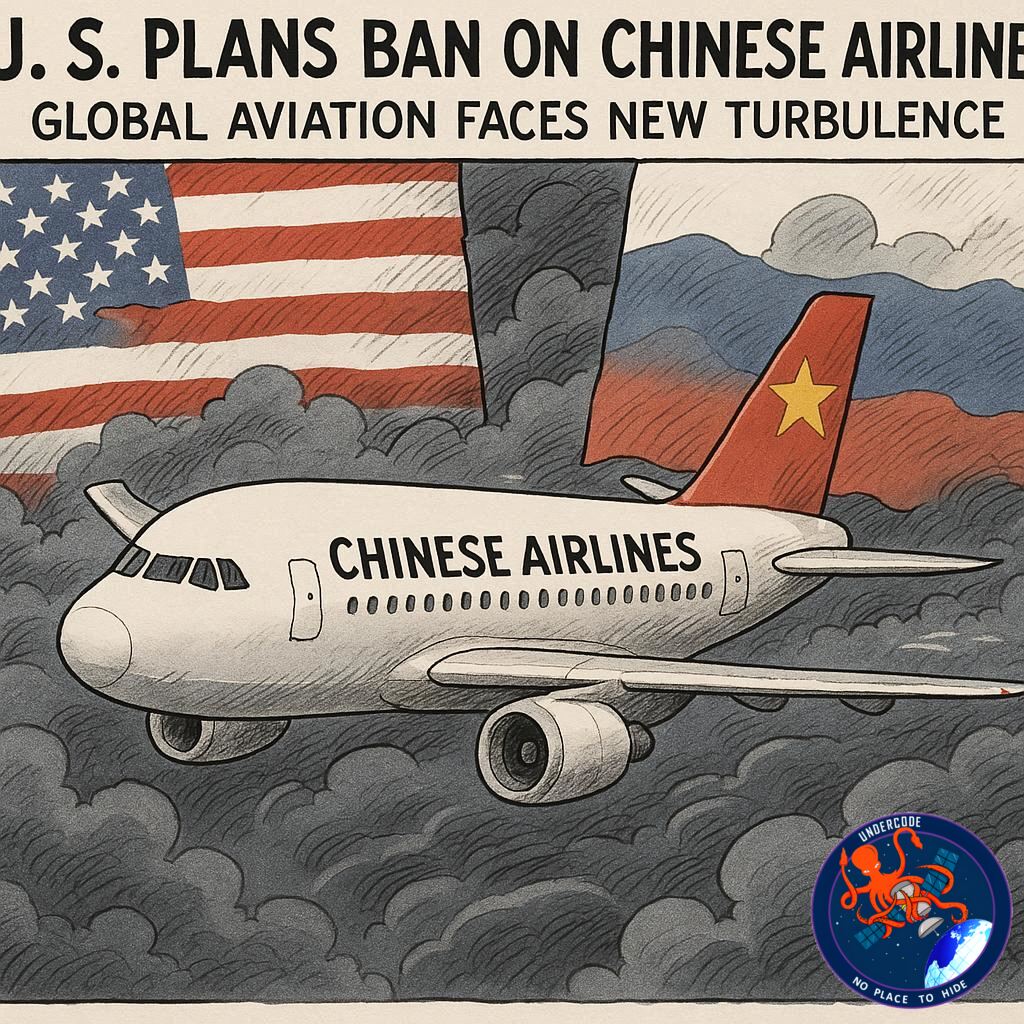
The aviation world is bracing for another stormy chapter as the United States proposes banning Chinese airlines from flying over Russian airspace. This move is seen as a response to longstanding geopolitical tensions and could reshape international flight patterns, fares, and airline competition between two of the world’s largest economies. While the US frames the plan as leveling the playing field, Chinese carriers and experts warn of far-reaching consequences for travelers and global aviation markets alike.
the Situation
In 2022, Russia closed its skies to US airlines after Western sanctions over the full-scale invasion of Ukraine. Since then, American and European carriers have been forced to take lengthy detours around Russian airspace, increasing flight times and operational costs. Now, the US Department of Transportation (DOT) is proposing a reciprocal measure, aiming to prevent China’s largest state-owned airlines—including Air China, China Eastern, and China Southern—from using Russian airspace on flights to and from the United States.
The DOT argues that current shorter routes give Chinese carriers an unfair advantage over their American competitors. “Being able to use the most efficient route provides a competitive advantage because it usually results in the shortest flight time duration, thereby offering a more appealing option to travelers,” a DOT statement said last week.
Chinese airlines have strongly objected. Air China, China Eastern, and China Southern, along with three other carriers, are filing complaints, warning that the ban would inconvenience passengers, extend flight times, and raise ticket prices due to higher fuel consumption. China Eastern emphasized that the measure would “harm the public interest,” while Air China calculated that at least 4,400 passengers could be affected during peak travel periods like Thanksgiving and Christmas.
China’s foreign ministry also weighed in, with spokesperson Guo Jiakun calling the proposed ban “punishing” to global travelers. Aviation analysts highlight the economic stakes: US carriers’ detours around Russia have already added two to three hours to some US-China routes, a historically profitable corridor for airlines on both sides. From the Chinese perspective, access to Russian airspace helps keep costs down, especially vital as carriers continue to recover from pandemic-related losses.
The DOT has indicated it will review public comments before making a final decision. European airlines, including Air France-KLM, have also raised objections, and United Airlines suggested that Hong Kong’s Cathay Pacific should be included in any potential restrictions. This complex web of aviation regulations, geopolitical pressures, and economic interests signals a tense period ahead for international air travel.
What Undercode Say:
The proposed ban on Chinese airlines flying over Russia is far more than a simple aviation regulation—it’s a strategic maneuver at the intersection of economics, diplomacy, and global mobility. By restricting airspace access, the US seeks to curb the competitive edge Chinese carriers gain from shorter flight routes. This move is consistent with broader US policies to counter China’s influence in international trade and transportation, reflecting how geopolitics increasingly shapes commercial aviation.
For passengers, the immediate consequences are tangible: longer flight times, higher fares, and potentially more stressful journeys. Airlines may need to reroute flights through less efficient corridors, increasing fuel consumption, operational costs, and carbon emissions. From an economic standpoint, even minor increases in flight duration can significantly impact airline profitability on routes like US-China, which have historically been highly lucrative.
Chinese carriers are also facing structural challenges. Despite lower operational costs from Russian airspace access, the pandemic has left many airlines financially fragile. A ban could exacerbate these pressures, forcing carriers to either absorb higher costs or pass them onto travelers. Moreover, this could trigger ripple effects across global aviation, with European and other international airlines potentially affected by shifts in route efficiency and competition.
Geopolitically, the ban signals an escalation in the aviation dimension of the US-China-Russia triangle. Russia’s initial closure to Western airlines in 2022 was a retaliatory measure following sanctions. Now, the US appears to be leveraging similar tactics to level the field for its carriers. Such tit-for-tat measures not only strain airline operations but also symbolize how transportation networks are increasingly entangled with international diplomacy.
The broader implications extend beyond airlines and passengers. Countries that rely on efficient air transport for tourism, trade, and cultural exchange may face disruptions, potentially affecting global economic flows. In addition, environmental considerations cannot be ignored: longer detours mean increased fuel use and carbon emissions, undermining sustainability efforts within the aviation industry.
The situation also highlights a key tension in global policy-making: balancing fair competition with free market principles while navigating political conflicts. While the DOT frames the ban as promoting equitable competition, critics argue that the policy unfairly penalizes passengers and amplifies geopolitical friction. Analysts predict that the decision-making process will involve extensive lobbying, international negotiations, and public consultations, with outcomes likely shaping airline strategies for years to come.
From a strategic perspective, Chinese airlines’ response—filing formal complaints and rallying government support—reflects their intent to protect operational efficiency and international market share. Their pushback could influence the DOT’s final ruling, potentially softening the policy or delaying implementation. However, given the broader geopolitical context, a compromise that fully satisfies all stakeholders seems unlikely.
Ultimately, this episode underscores the fragile interplay between global commerce and international politics. Airlines operate at the intersection of profit and diplomacy, making them both strategic tools and vulnerable actors in global conflicts. For travelers, the coming months may bring inconvenience and rising fares, while for airlines, navigating the evolving regulatory landscape will require careful planning, negotiation, and adaptability.
Fact Checker Results:
✅ Russia closed its airspace to US airlines in 2022 in retaliation for Western sanctions.
✅ Chinese carriers warn that a ban would increase flight times and fares, affecting thousands of passengers.
❌ The proposed US ban has not yet been finalized; the DOT is still reviewing public comments.
Prediction:
✈️ If the US imposes the ban, Chinese airlines may face longer flight routes, higher operational costs, and intensified competition on trans-Pacific routes.
🌍 Travelers can expect increased fares and slightly longer journeys, particularly during peak holiday seasons.
📉 Airlines may invest in alternative routes and strategic partnerships to mitigate the impact, potentially reshaping global air traffic patterns for years.
🕵️📝✔️Let’s dive deep and fact‑check.
References:
Reported By: www.euronews.com
Extra Source Hub (Possible Sources for article):
https://www.facebook.com
Wikipedia
OpenAi & Undercode AI
Image Source:
Unsplash
Undercode AI DI v2
Bing
🔐JOIN OUR CYBER WORLD [ CVE News • HackMonitor • UndercodeNews ]
📢 Follow UndercodeNews & Stay Tuned:
𝕏 formerly Twitter 🐦 | @ Threads | 🔗 Linkedin | 🦋BlueSky | 🐘Mastodon


