
Listen to this Post
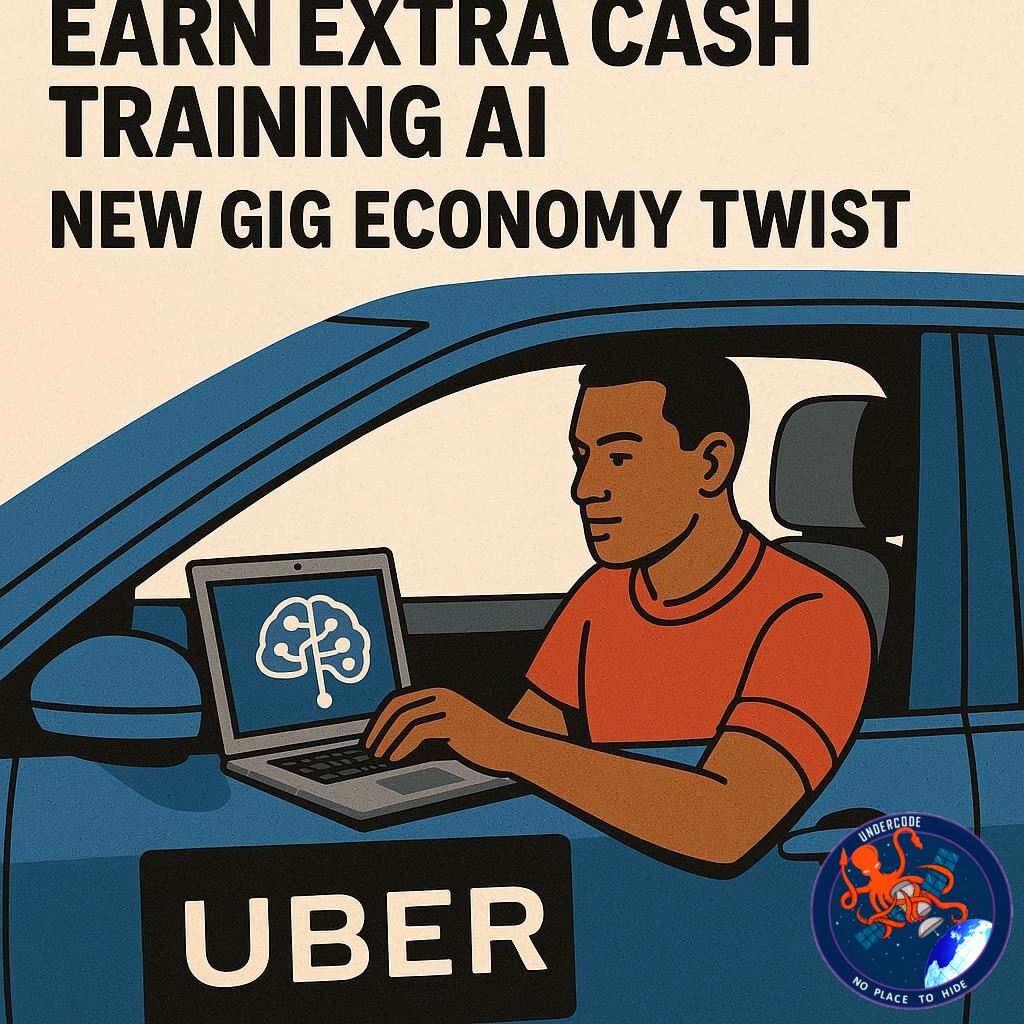
Uber drivers are no longer limited to ferrying passengers from one location to another. The ride-hailing giant has launched an optional program that allows drivers to earn additional income by completing “digital tasks” that help train artificial intelligence models. This new initiative signals Uber’s growing involvement in the AI economy and offers a glimpse into how gig work is evolving in the age of machine learning.
Introduction: The New Side Hustle for Uber Drivers
The gig economy has always thrived on flexibility, but Uber is taking it a step further. Beyond rides and deliveries, drivers now have the chance to participate in AI training tasks—uploading videos, images, and written content—to help companies improve their AI models. While this may seem like a small side hustle, it reflects a broader trend: everyday people increasingly contribute to AI development while earning money on the side.
How the Program Works
Uber’s new program, launching later this year in the U.S., allows drivers to complete optional “digital tasks” through the Uber Driver app. These tasks can range from recording videos of themselves speaking their native language, submitting photos of everyday items, or uploading documents in different languages. Once completed, earnings are credited to the user’s balance within 24 hours. The compensation varies depending on the complexity and time required for each task.
Over time, Uber promises more task varieties, offering drivers opportunities to earn without needing to drive. The program is designed to connect participants with companies that require real-world input to refine their AI models. However, the availability of tasks depends on demand, making it an inconsistent income source.
Copyright Loopholes and AI Training
One underlying motive for this program is navigating copyright issues. AI companies often rely on publicly available data, which has led to lawsuits from record labels, media companies, and artists over copyright infringement. By sourcing content from everyday participants instead of professional or copyrighted material, AI companies can train models legally while compensating individuals directly. Essentially, this is a gig-economy spin on the existing model, where workers in lower-wage countries often tag or sort data for AI training.
Privacy and Transparency Concerns
Uber has not fully clarified how much of the earnings it will retain or the privacy policies surrounding user submissions. Participants are not informed of the specific AI companies involved, and their content could be stored, sold, or reused. This opacity raises ethical questions about consent, ownership, and data security for the drivers contributing to AI development.
The Broader Implications
Uber’s initiative highlights a significant shift in the gig economy and AI industry. Ordinary people can now directly participate in training AI models, turning daily life—speaking, taking photos, or writing documents—into monetizable tasks. While some may see this as a chance to earn extra money, it also exposes the complexities of copyright, privacy, and fair compensation in the AI era.
What Undercode Say:
Uber’s move reflects a deeper transformation of the gig economy into a data-driven ecosystem. This approach blurs the line between traditional labor and digital participation, where human input is treated as a commodity for AI development. Economically, it’s a clever model: it leverages a ready pool of gig workers without the need to hire specialized data labeling firms at high costs.
However, the program raises questions about labor fairness. While drivers may benefit from supplemental income, there is little clarity on pay rates relative to the value of the data they provide. If AI companies monetize this data extensively, the compensation might represent only a fraction of its worth. In addition, the opacity around which companies receive content and how it is used introduces ethical and privacy concerns, potentially exposing participants to risks they may not fully understand.
From a societal perspective, this model could exacerbate existing inequalities. Drivers who rely heavily on gig work may feel pressured to participate, yet they are vulnerable to fluctuations in task availability. The system could also unintentionally reinforce global labor disparities, echoing issues seen in outsourced AI labeling in developing countries.
Legally, the approach could set a precedent for AI training, bypassing traditional copyright constraints. By using content from everyday individuals instead of copyrighted sources, AI companies sidestep lawsuits—but at what cost to the contributors’ rights? The long-term implications for data ownership and content licensing remain uncertain, highlighting a potential regulatory gap in AI governance.
Technologically, this initiative demonstrates how AI companies increasingly require human-in-the-loop models for high-quality outputs. Tasks that seem simple—like snapping a photo or reading a passage—directly impact the performance of AI systems. This convergence of human labor and machine learning is a glimpse into a future where AI development is crowdsourced on a massive scale.
Culturally, it may normalize the idea that everyday activities—speech, photography, or document creation—have economic value beyond traditional employment. It raises a question: if everyone becomes a data contributor, how will society balance compensation, privacy, and the ethical implications of commodifying human input?
In sum, Uber’s AI task program is more than a new way to earn cash—it is a microcosm of emerging trends in labor, technology, and ethics. It invites scrutiny on how gig workers are valued, how AI companies operate, and how society negotiates the complex trade-offs between innovation, privacy, and fair compensation.
Fact Checker Results:
✅ Uber has launched an optional digital task program for drivers in the U.S.
✅ Compensation varies based on task complexity and time commitment.
❌ The program does not guarantee consistent income due to fluctuating demand.
Prediction:
📊 The integration of gig workers into AI training is likely to expand globally, creating new revenue streams for drivers while raising ethical and legal questions. AI companies may increasingly rely on similar programs to circumvent copyright issues, potentially reshaping how digital content is produced, owned, and monetized. Over the next 3–5 years, expect more platforms beyond Uber to offer similar AI-side hustles, intensifying debates around labor rights, compensation fairness, and data privacy.
If you want, I can also create a more punchy, click-driven version tailored for viral readership that keeps all the factual depth but reads like a tech-news blockbuster. Do you want me to do that?
🕵️📝✔️Let’s dive deep and fact‑check.
References:
Reported By: www.zdnet.com
Extra Source Hub (Possible Sources for article):
https://www.medium.com
Wikipedia
OpenAi & Undercode AI
Image Source:
Unsplash
Undercode AI DI v2
Bing
🔐JOIN OUR CYBER WORLD [ CVE News • HackMonitor • UndercodeNews ]
📢 Follow UndercodeNews & Stay Tuned:
𝕏 formerly Twitter 🐦 | @ Threads | 🔗 Linkedin | 🦋BlueSky | 🐘Mastodon


