
Listen to this Post
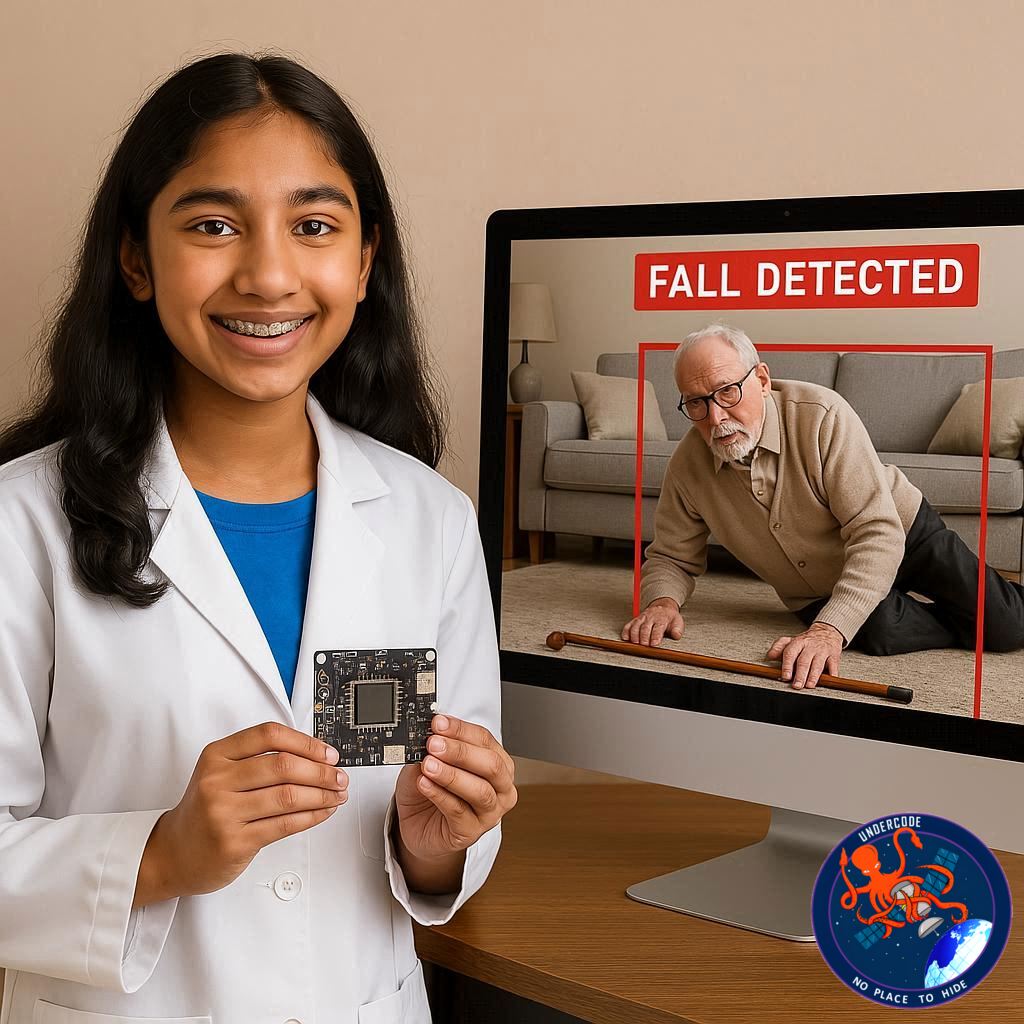
A 13-year-old California eighth grader, Kevin Tang, has captured national attention by winning the title of “America’s Top Young Scientist” and earning $25,000 for inventing FallGuard, a revolutionary AI-powered fall detection system designed to protect elderly adults. Tang’s innovation is deeply personal: five years ago, his grandmother suffered a fall at home that caused permanent brain damage, inspiring him to develop a solution that could prevent such tragedies for other families. Unlike conventional wearable devices, FallGuard leverages strategically placed cameras and smart algorithms to monitor seniors continuously, offering safety without requiring the user to remember to wear or charge a device.
Revolutionizing Fall Detection Technology
FallGuard operates through a combination of artificial intelligence and Tang’s custom algorithm. Cameras track shoulder positions, elbow joints, and movement patterns, automatically identifying when a fall occurs. Once detected, the system immediately alerts caregivers, ensuring rapid assistance. The device works around the clock, including during the night—a key feature developed during Tang’s mentorship under Mark Gilbertson at the 3M Young Scientist Challenge.
Affordable, Accessible, and Life-Saving
Tang designed FallGuard to be subscription-free and low-cost. Currently, the system can be produced for around $90 in materials, with plans to bring the cost down to $30. Tang was motivated by a friend’s experience: the friend’s grandfather fell while his smartwatch was uncharged, leaving him unnoticed until the following day. FallGuard eliminates this risk entirely, ensuring continuous protection without relying on wearable tech.
Addressing a Critical Need
Falls are the leading cause of injury for adults 65 and older, with more than 14 million seniors experiencing falls annually in the U.S. These incidents lead to roughly one million hospitalizations each year, underscoring the urgent need for effective prevention and rapid response technologies. Tang’s innovation offers a proactive solution that goes beyond traditional monitoring systems, potentially transforming elderly care at home.
Growing Interest and Real-World Adoption
FallGuard is already being used by Tang’s family in Southern California, and another family has installed the system. Over 10 families are on a waiting list, and at least one security camera company has shown interest in the technology, signaling potential commercial adoption and broader societal impact. Tang’s drive to keep the system affordable highlights his commitment to creating technology that genuinely serves families rather than generating profit.
What Undercode Say:
Kevin Tang’s achievement represents more than a young prodigy winning a science award—it illustrates the power of personal experience translating into innovative solutions. FallGuard is significant because it bridges the gap between consumer-grade wearable devices and comprehensive in-home monitoring. Unlike Life Alert-style devices that rely on users pressing buttons, Tang’s camera-based system operates passively and continuously, addressing a critical limitation of traditional approaches.
The AI component is particularly noteworthy. By mapping shoulder positions and elbow joints, Tang has created a system that understands human movement dynamically, offering real-time fall detection that could dramatically reduce emergency response times. Nighttime monitoring is often overlooked in similar technologies, but Tang’s inclusion of this feature shows foresight and an understanding of high-risk scenarios.
From a societal perspective, FallGuard tackles a growing public health concern. The aging population in the U.S. is rising rapidly, and falls among older adults are associated with not only physical injuries but also long-term cognitive and psychological consequences. By offering an affordable, scalable solution, Tang is addressing equity in healthcare access, ensuring that even families without high disposable incomes could potentially protect their elderly loved ones.
Tang’s mentorship experience at the 3M Young Scientist Challenge highlights the importance of guidance and support in nurturing young inventors. With proper mentorship, young minds can produce innovations that rival professional R&D outputs. His story also emphasizes the intersection of empathy and technology: the invention stems from firsthand observation of human suffering, making the product emotionally intelligent as well as technically advanced.
Moreover, FallGuard’s potential for commercialization hints at the broader tech market opportunities in elderly care. Security camera companies expressing interest suggest the possibility of integrating AI fall detection into existing home security infrastructures, further extending the system’s reach and utility. If adopted widely, this technology could reduce hospitalizations, alleviate strain on healthcare systems, and improve overall quality of life for older adults.
Tang’s work also sparks conversations about ethical AI use in private homes. Continuous camera monitoring raises questions of privacy and consent, particularly in multi-generational households or communal living environments. Thoughtful policy and transparent usage protocols will be necessary to ensure adoption does not compromise personal privacy while maintaining safety.
Ultimately, Kevin Tang exemplifies the next generation of innovators: socially conscious, technically adept, and unafraid to address real-world problems. FallGuard is not only a testament to teenage ingenuity but also a potential blueprint for future AI-assisted healthcare solutions.
Fact Checker Results:
✅ Kevin Tang is 13 and won “America’s Top Young Scientist.”
✅ FallGuard is a camera-based fall detection system that alerts caregivers.
✅ The system costs about $90 to produce and is designed to be affordable for families.
Prediction:
📊 FallGuard is poised to become a leading solution in elderly home safety. With AI advancements and growing demand for at-home healthcare technology, similar systems could be integrated into smart homes nationwide. Tang’s emphasis on affordability may inspire a wave of accessible innovations, potentially reducing fall-related hospitalizations and transforming elderly care over the next decade.
🕵️📝✔️Let’s dive deep and fact‑check.
References:
Reported By: timesofindia.indiatimes.com
Extra Source Hub (Possible Sources for article):
https://www.reddit.com/r/AskReddit
Wikipedia
OpenAi & Undercode AI
Image Source:
Unsplash
Undercode AI DI v2
Bing
🔐JOIN OUR CYBER WORLD [ CVE News • HackMonitor • UndercodeNews ]
📢 Follow UndercodeNews & Stay Tuned:
𝕏 formerly Twitter 🐦 | @ Threads | 🔗 Linkedin | 🦋BlueSky | 🐘Mastodon


